
Reviewed · MUNICH FOOD TOURS
South Tyrolean specialties and wine tasting
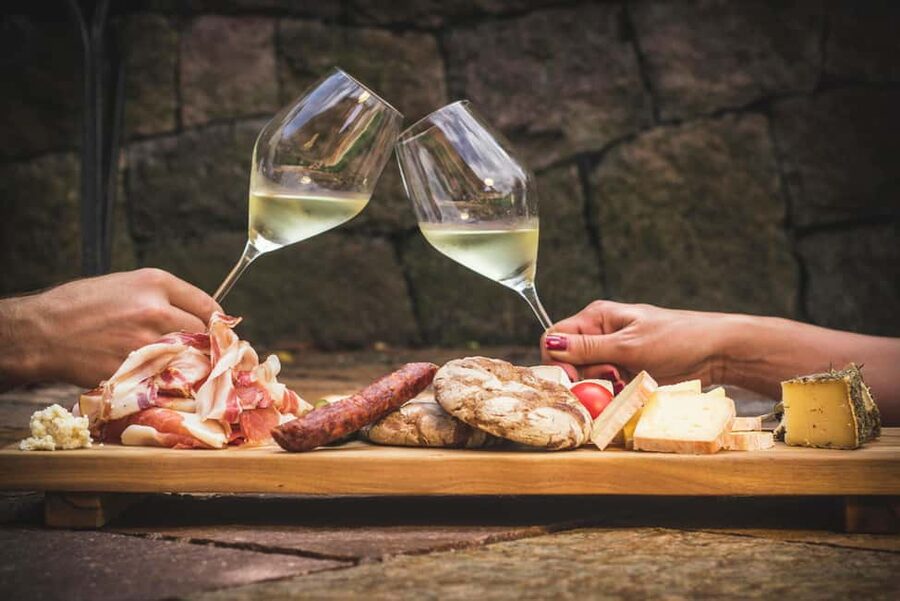
South Tyrol arrives in Bavaria by way of a wine glass and a generous wooden board. At Aunt Alma, you’ll taste Alpine wines such as Gewürztraminer, Pinot Blanc, Lagrein, and Vernatsch while working through bacon, cheese, Kaminwurzen, and Schüttelbrot, the crisp local bread that makes a fine partner for wine.
I like two things right away: the small group of no more than 10 keeps the tasting personal, and the Marende snack is included, not treated as an afterthought. The main consideration is that this is a focused 90-minute tasting, not a full meal or a tour of South Tyrol, and it is only for adults aged 18 and over.
In This Review
- Key points at a glance
- A taste of South Tyrol without leaving Bavaria
- The wine lineup: aromatic whites and Alpine reds
- Why the Marende makes the tasting better
- A relaxed 90-minute format at Aunt Alma
- What the evening may feel like, step by step
- Is $44 a fair price?
- The practical details that affect your choice
- Who will enjoy Aunt Alma most?
- Should you book this South Tyrolean tasting?
- FAQ
- Where does the wine tasting begin and end?
- How long does the tasting last?
- Which wines are included?
- What food is included?
- Can children join the tasting?
- What languages are available?
Key points at a glance
- Three wine pours included: one white, one rosé or optional red, and one red
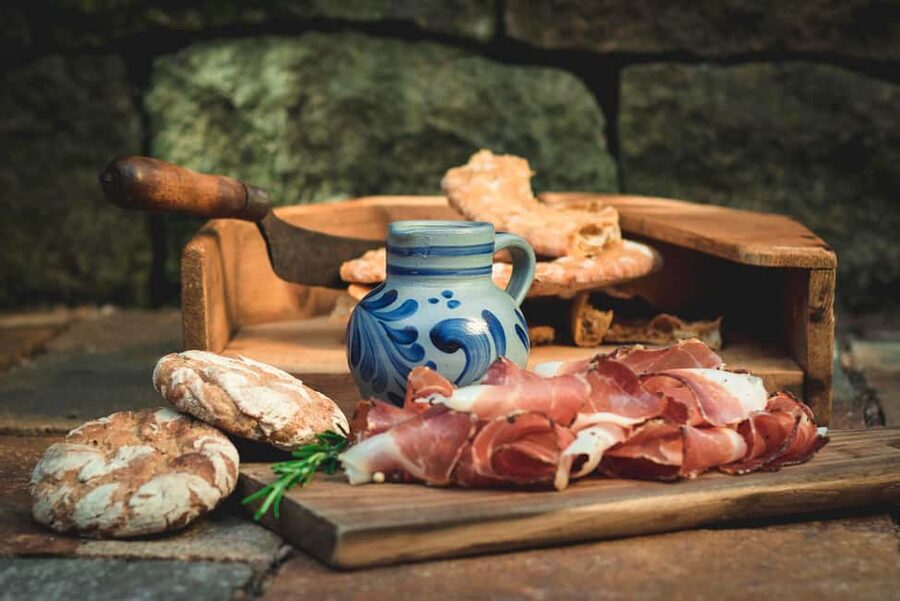
- South Tyrolean Marende served with the wine: bacon, cheese, Kaminwurzen, and Schüttelbrot
- Classic grape varieties: Gewürztraminer, Pinot Blanc, Lagrein, and Vernatsch
- Small-group setting: limited to 10 participants for a more relaxed evening
- Multilingual host: German, Italian, and English are available
- Accessible and flexible booking: wheelchair accessible, with free cancellation up to 24 hours before the start
A taste of South Tyrol without leaving Bavaria
This experience is built around a simple Alpine idea: wine tastes better when food is on the table. You spend 90 minutes at Aunt Alma, a shop and gathering place for South Tyrolean specialties, tasting wines from one of Italy’s most distinctive mountain wine regions.
South Tyrol sits in the Italian Alps, close to Austria, and its wines reflect that meeting point of cultures. German and Italian traditions share the region, and the food has the same character: smoky cured meat, firm cheese, rustic bread, and flavors made for cool mountain evenings.
You will not be rushed through a long list of bottles. The tasting includes one white wine, one rosé or optional red, and one red wine. That is enough variety to compare styles without turning the evening into a test of endurance.
The format should suit you if you like learning through tasting rather than sitting through a formal lecture. The host can speak German, Italian, or English, and the small group gives you a better chance to ask about the wines, food, and South Tyrolean traditions.
More food tours in Munich:
- Munich: Viktualienmarkt Food Tour
★ 4.5 · 1,127 reviews - Munich: Beer and Food Tour with Dinner & Oktoberfest Museum
★ 4.7 · 1,086 reviews - Lunch Like a Local: Munich’s ORIGINAL Viktualienmarkt Food Tour
★ 5.0 · 416 reviews
The wine lineup: aromatic whites and Alpine reds
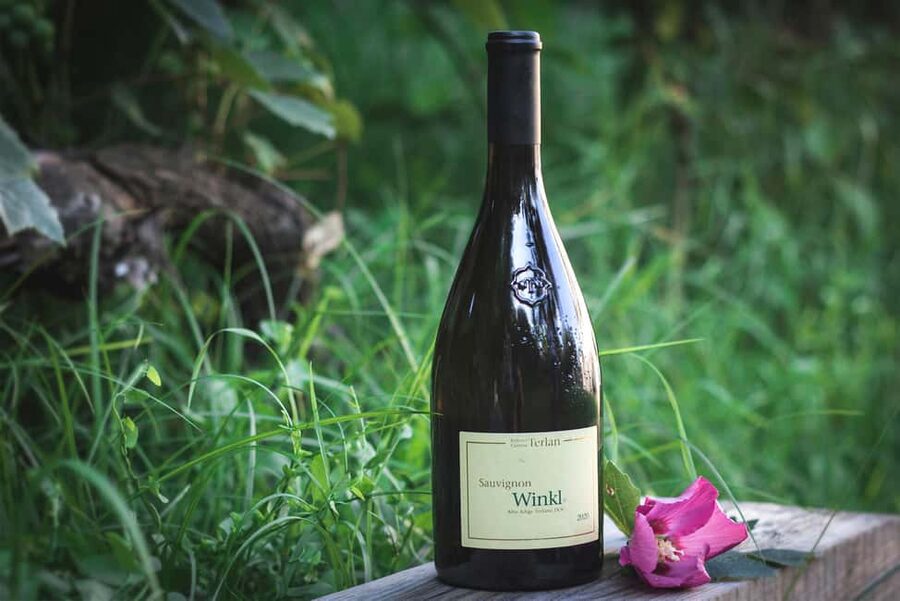
The white wine is likely to be the most immediately aromatic part of the tasting. Gewürztraminer is known for a fragrant style, while Pinot Blanc is generally lighter and more restrained. Tasting these side by side gives you a useful sense of how different white wines from the same broad region can feel in the glass.
Gewürztraminer is a particularly fitting choice for South Tyrol. Its strong perfume and generous flavor work well with salty cured meat and firm cheese. If you usually order crisp, neutral whites, this is the moment to pay attention to aroma and texture instead of expecting a simple thirst quencher.
Pinot Blanc offers a quieter contrast. It can be easier to pair with the full snack board because it does not compete as strongly with the food. I would begin with the white wines before eating too much of the bacon and cheese, since a fresh palate makes the differences easier to notice.
The rosé is included as the middle step, though an optional red may be offered instead. This small choice matters if you already know what you like. Pick the rosé if you want a lighter bridge between white and red, or choose the extra red if you want to compare two deeper, more structured wines.
The red portion may feature Lagrein and Vernatsch. Lagrein is the more powerful name of the pair, with a style that can suit hearty food. Vernatsch is traditionally lighter and easiergoing, making it a useful contrast rather than simply another heavy red.
You do not need to know any of these grapes before arriving. The point is to notice what changes as you move from floral white to lighter red to a fuller red. If you want the most from the tasting, take a small sip before eating, then another with the bacon, cheese, sausage, or bread.
Why the Marende makes the tasting better
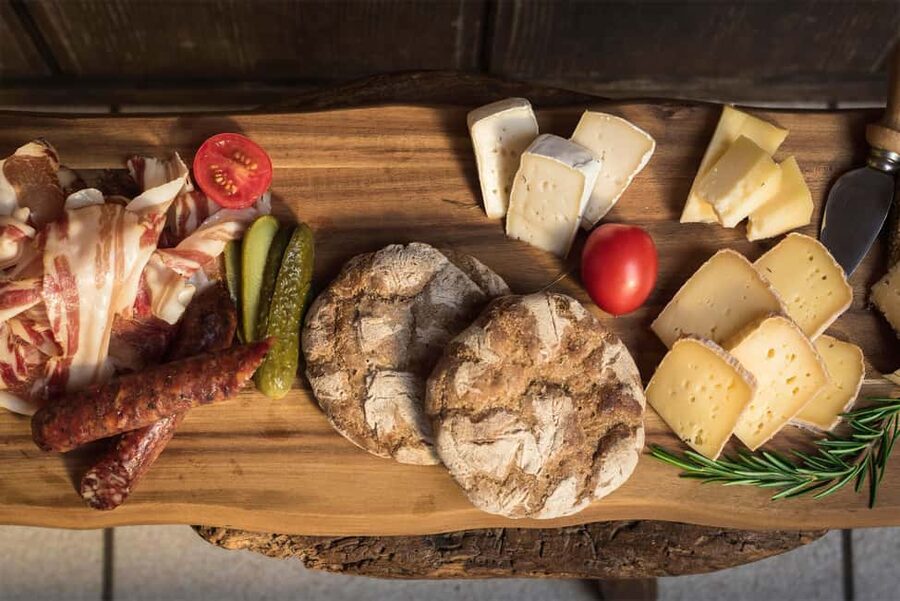
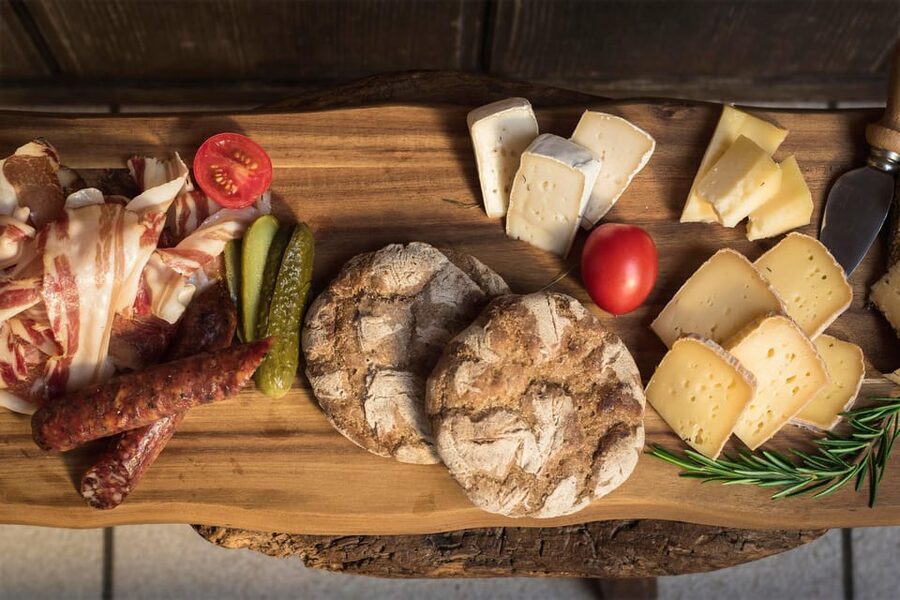
Marende is the traditional South Tyrolean snack served with the wine. It is not just a bowl of crackers placed beside the glasses. The included spread features bacon, cheese, Kaminwurzen, and Schüttelbrot, giving you several salty, smoky, crunchy, and savory combinations to try.
Kaminwurzen is a traditional smoked sausage, usually firm enough to slice and eat with your fingers. Its smoky character should pair especially well with red wine, while the cheese and bacon give you a chance to test how the wines handle salt and fat.
Schüttelbrot is a crisp South Tyrolean flatbread. Its dry, brittle texture is practical as well as traditional, since it gives you something to eat between sips without overwhelming the wine.
The food also makes the $44 price easier to assess. You are not paying only for three small pours. You are getting a regional tasting board, a hosted experience, and the chance to sample products that would be difficult to assemble with the same context on your own.
Still, keep your expectations sensible. The Marende is a snack, not a complete dinner. You may find it satisfying for a light evening, but anyone arriving very hungry should plan another meal before or after the tasting.
A relaxed 90-minute format at Aunt Alma
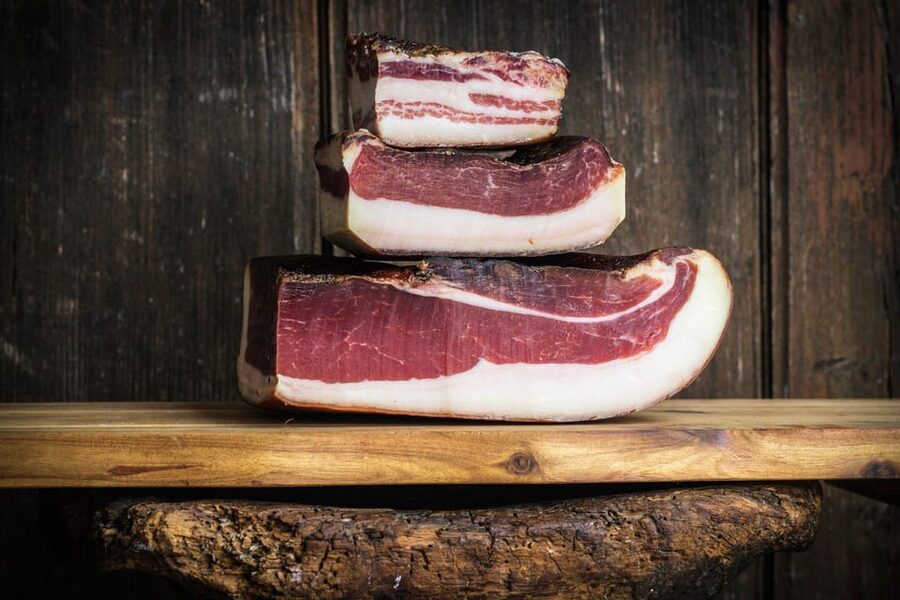
The experience begins and ends at Aunt Alma, South Tyrolean specialties. There is no transportation between venues, no outdoor walking, and no complicated route to follow. You settle in at the meeting point and let the food and wine carry the evening.
That simplicity is part of the appeal. A 90-minute tasting fits neatly into an evening plan, especially if you want something more distinctive than a standard restaurant meal but do not want to give up half a day.
The setting is described as comfortable, and that matters for this kind of activity. Wine tasting is more enjoyable when you can take your time, listen, and compare flavors without being pushed along. The small group limit of 10 should help keep the atmosphere calm rather than crowded.
The host’s role is important here. No individual guide name is provided, but the host or greeter can communicate in German, Italian, and English. You can book this with confidence if language is a concern, though German is specifically highlighted as a language spoken at the venue.
The available information does not promise a fixed speech or a detailed winemaking lesson. Instead, you should expect an informal tasting centered on the selected wines and South Tyrolean specialties. Ask questions as you go. A small group is most valuable when you use the opportunity to talk.
A few more Munich tours and experiences worth a look
- Original Munich Christmas Market Tour with Festive Wine and Food
★ 5.0 · 85 reviews - Munich: Romantic Wine Experience for Two at Viktualienmarkt
★ 4.2 · 14 reviews - Private VIP Oktoberfest, Table, 3-Course-Menu, Beer & Champagne
★ 5.0 · 6 reviews
What the evening may feel like, step by step
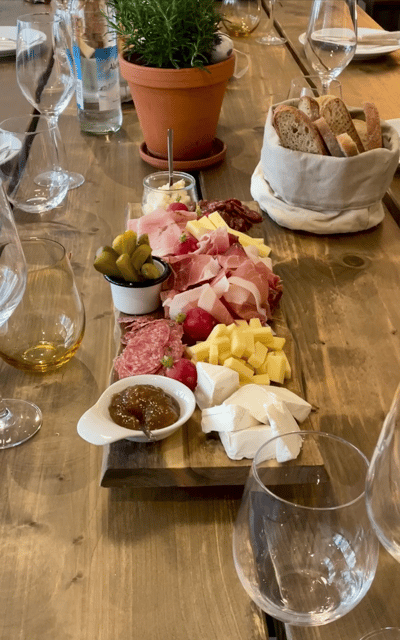
The first stage is the white wine. Start by looking at the wine, then smell it before tasting. Gewürztraminer and Pinot Blanc should give you a clear lesson in contrast, with one likely more aromatic and the other more subtle.
Next comes the rosé, unless you choose the optional red. This is the flexible part of the lineup. If you prefer variety across color and style, rosé makes sense. If you want a stronger comparison of red wines, select the alternative red.
The final wine is red, with Lagrein and Vernatsch among the regional examples associated with the tasting. This is when the Marende becomes especially useful. Try the sausage and bacon with the red, then return to the cheese or Schüttelbrot and see which pairing you prefer.
The order gives you a natural progression from lighter to fuller flavors. It also prevents the strongest food and wine from arriving too early. You can enjoy the evening without taking formal notes, although jotting down the names of the wines is useful if you want to look for them later.
The tasting does not include unlimited wine or a large meal. The included portions are designed for sampling. Soft drinks, extra snacks, and a small selection of additional South Tyrolean specialties can be ordered and paid for separately at the venue.
Is $44 a fair price?
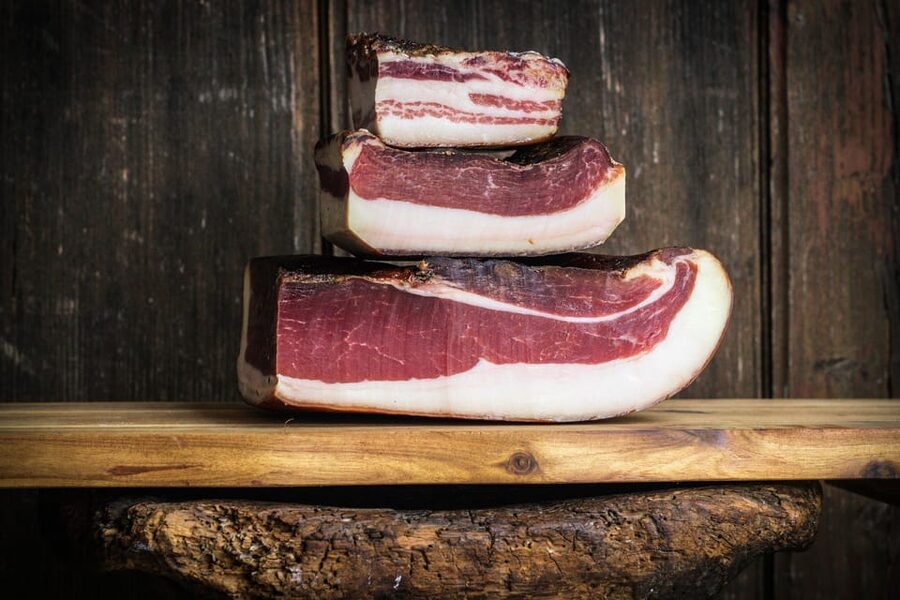
At $44 per person, this is not the cheapest way to have a glass of wine in Bavaria. It can be good value if you care about regional food, guided comparison, and a comfortable small-group format.
The strongest part of the value is the combination. Three wine selections alone might not justify the price for every budget, but the Marende adds several traditional products, and the host provides a setting where those foods make sense together.
I would compare it with the cost of ordering three different wines and a substantial snack plate independently. You would still be missing the South Tyrolean focus and the explanation of the grape varieties. That makes the experience more appealing for visitors who want a taste of the region without arranging a separate trip.
The price is less attractive if you are mainly looking for a full dinner, a large number of wines, or a long educational session. You may prefer to spend the same money at a restaurant if your priority is quantity rather than regional discovery.
The package is clearest for an adult who wants an easy evening activity. You pay once for the core tasting and food, then decide on site if you want soft drinks, extra snacks, or more traditional specialties.
The practical details that affect your choice
The experience lasts 1.5 hours, with starting times dependent on availability. Check the schedule before building the rest of your evening around it.
Aunt Alma is both the starting point and the endpoint. Since there is no transport involved, you are responsible for reaching the venue, but once you arrive the activity stays in one place.
The tasting is wheelchair accessible. That makes it a practical option for visitors who need an accessible venue, although the supplied details do not describe the exact seating layout or restroom arrangements.
You can cancel up to 24 hours before the start for a full refund. The reserve-now-and-pay-later option also gives you some breathing room when your plans are not final.
The experience is not suitable for children under 18. That rule is straightforward, since the main activity is wine tasting, but it means families with younger children will need another plan for the evening.
The small group limit is worth noting. With no more than 10 people, you are likely to get a more personal experience than at a large tasting event. On the other hand, a small group can feel quiet if you prefer a lively social crowd.
Who will enjoy Aunt Alma most?
I would recommend this tasting to adults who enjoy trying local food in a relaxed setting. It is especially suitable if you like products with a clear regional identity, such as smoked sausage, cured bacon, mountain cheese, and crisp traditional bread.
Wine beginners should feel comfortable here. The selection is compact, and you do not need to understand grape varieties before you arrive. The mix of German, Italian, and English also makes it easier for international visitors to follow along.
This is a good choice for couples, friends, and solo visitors who enjoy a guided table experience. Solo visitors may appreciate the small group because it offers some conversation without the scale of a large event.
It may not suit you if you dislike cured meat, smoked flavors, or dry bread. The snack is central to the experience, not a minor extra. It may also disappoint anyone expecting vineyard scenery, cellar visits, or a long tour through South Tyrol, since the activity takes place at Aunt Alma in Bavaria.
The 90-minute duration works well for a first taste. If you already have strong wine knowledge and want a technical tasting with detailed production notes, check the exact format before booking, since the supplied information emphasizes enjoyment, regional varieties, and food pairing rather than advanced instruction.
Should you book this South Tyrolean tasting?
Book it if you want a compact, friendly evening built around Alpine wine and food. The combination of Gewürztraminer, Pinot Blanc, Lagrein, and Vernatsch with bacon, cheese, Kaminwurzen, and Schüttelbrot gives you a genuine regional theme rather than a generic wine flight.
The best reasons to choose it are the included Marende, the small group, the multilingual host, and the comfortable 90-minute pace. The main reasons to skip it are equally clear: it is not a full meal, it is only for adults, and the wine selection is limited to three included pours.
At $44, I see it as a fair buy for someone who values context and traditional food as much as the wine itself. If that sounds like your kind of evening, Aunt Alma offers an easy way to taste South Tyrol without adding a major excursion to your schedule.
FAQ
Where does the wine tasting begin and end?
The activity starts at Aunt Alma, South Tyrolean specialties, and ends back at the same meeting point.
How long does the tasting last?
The experience lasts 1.5 hours. Starting times depend on availability.
Which wines are included?
The tasting includes one white wine, one rosé or an optional red, and one red wine. Examples of South Tyrolean varieties associated with the tasting include Gewürztraminer, Pinot Blanc, Lagrein, and Vernatsch.
What food is included?
A South Tyrolean Marende snack is included. It features bacon, cheese, Kaminwurzen, and Schüttelbrot.
Can children join the tasting?
No. The activity is not suitable for children under 18.
What languages are available?
The host or greeter can speak German, Italian, and English.
Just added around Munich
- Private tour from Munich to Rothenburg and Harburg★ 5.0 · 3 reviews
- Scenic Adventure Private Day Tour to The Konigssee Salzburg★ 4.5 · 3 reviews
- Private Transfer from Munich to Salzburg, English-speaking driver★ 3.5 · 3 reviews
- Munich: Capture the most Photogenic Spots with a Local★ 5.0 · 3 reviews
- Private Beer Tasting Tour in Munich with Oktoberfest Museum★ 4.3 · 3 reviews
- Munich Photoshoot: A Must-Have Holiday Experience!★ 5.0 · 3 reviews
- Paul’s Private Tour in the Alte Pinakothek Munich★ 5.0 · 3 reviews
- Private Tour to Hallstatt Salt Mine and Skywalk with Lunch★ 5.0 · 3 reviews
Munich Food Tours, compared.
Beer and Food Tour with Dinner & Oktoberfest Museum
Read our review →
Lunch Like a Local: Munich’s ORIGINAL Viktualienmarkt Food Tour
Read our review →
Munich Viktualienmarkt and Beyond Small-Group Food Tasting Tour
Read our review →Munich Old Town Food Tour with 10+ Bavarian Specialties
Read our review →
Munich Beer and Bavarian Bites Small-Group Tour
Read our review →Browse the lists this tour appears in