
Reviewed · DACHAU MEMORIAL TOURS
From Munich: Dachau Memorial Site Full-Day Tour
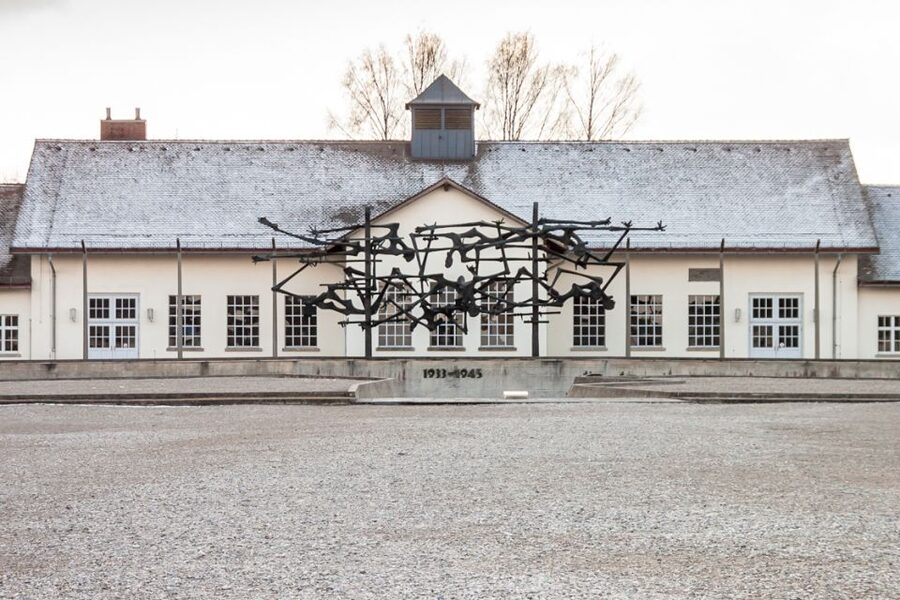
Dachau is not a sightseeing stop in the usual sense. It is a place for listening, looking closely, and allowing uncomfortable facts to sink in. This six-hour outing takes you to the first permanent concentration camp built by Nazi Germany, where the camp operated throughout the regime’s 12 years.
I like the Memorial-qualified guide, who gives the site its needed context instead of leaving you to piece together a few signs on your own. I also like the simple public-transport plan: train and bus costs are included, and you return to Marienplatz with the group. The main drawback is the lack of a real meal break, along with a long stretch of walking and standing.
In This Review
- Key points at a glance
- Why a guided visit to Dachau matters
- Meeting at Marienplatz and starting the journey
- Passing through the Jourhaus and into the camp
- The Bunker and the machinery of punishment
- Barracks, Barrack X, and daily camp life
- The S.S. Training Facility and the wider purpose of Dachau
- Four hours inside a difficult memorial
- Returning to Munich by bus and train
- Is $51 a fair price?
- Who should book this Dachau tour?
- Final booking advice
- FAQ
- Where does the Dachau tour begin?
- Where does the tour end?
- How long does the experience last?
- How do you travel from Munich to Dachau?
- Is the tour conducted in English?
- What places are included at Dachau?
- Is food included?
- Can children join the tour?
- Is the tour suitable for wheelchair users?
- What should I bring?
Key points at a glance
- Enter through the Jourhaus: See the former gateway and its infamous Arbeit Macht Frei sign.
- Spend about four hours inside the Memorial Site: The visit covers the Appellplatz, Bunker, barracks, Barrack X, and other key areas.
- Travel directly from Marienplatz: Meet beside Ludwig Beck department store, then use the train and bus with your guide.
- Expect serious, graphic subject matter: The tour is intended for people aged 14 and older.
- Guides bring human detail: Sam, Adam, Marcin, Hein, Keith, and Scott are praised for clear explanations, good pacing, and respectful delivery.
- Pack food for the journey: Eating is not permitted during the tour at Dachau, so have breakfast or eat on the train.
Why a guided visit to Dachau matters
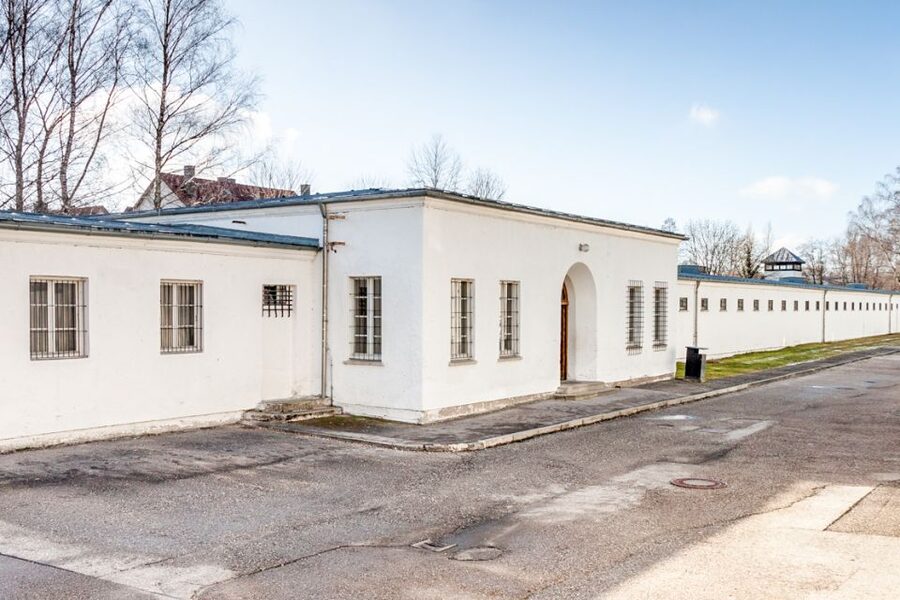
The Dachau Memorial Site can be visited independently, but a guide helps you understand how the pieces fit together. This was not simply a prison surrounded by fences. It was a functioning system of registration, forced labor, punishment, terror, and death, developed over time and used as a model for the wider concentration-camp system.
Your guide explains why Dachau opened, who the first prisoners were, and how the camp changed through three main phases between 1933 and 1945. That timeline matters. It shows how persecution grew, how the camp’s role developed, and how daily cruelty became organized routine.
The best part of the guided format is the human scale. Instead of only seeing buildings, you follow the path prisoners took from arrival and registration through punishment and confinement. Guides such as Adam and Marcin are praised for adding survivor stories and personal accounts connected to people who lived through the period. Those details help you see prisoners as individuals, not as numbers in a lesson.
This is also a place where a guide’s tone matters. Sam is described as friendly, considerate, and careful with the group’s pace. Keith is praised for explaining how Dachau’s terror reached beyond the barbed wire. Hein is noted for keeping everyone organized and giving clear instructions. The strongest guides do not soften the facts, but they present them with care.
More Dachau memorial tours from Munich:
- Dachau Concentration Camp Memorial Site Tour from Munich by Train
★ 4.5 · 5,637 reviews - From Munich: Dachau Memorial Site Day Tour
★ 4.8 · 2,723 reviews - From Munich: Dachau Memorial Site Half-Day Trip
★ 4.7 · 2,526 reviews
Meeting at Marienplatz and starting the journey
The morning begins at Marienplatz, in front of Ludwig Beck at Marienplatz 11. Look for the white and blue umbrella and the Dachau Tour signs. This is a central meeting point, but Marienplatz can be crowded, so arrive with enough time to locate the guide without rushing.
The guide leads the group by public transportation. The outbound journey includes about 40 minutes on the subway or metro, followed by roughly 10 minutes by bus. Train and bus fees are included in the tour price of $51 per person.
Using public transport has two advantages. You avoid planning the route yourself, and the guide can explain what happens next while the group travels. It also gives you a practical view of how Dachau connects with Munich rather than placing you in a sealed sightseeing bubble.
The drawback is that public transport can be crowded, especially on the return trip. One of the few criticisms of the experience concerns overcrowding on local transport in both directions. If you dislike busy trains or need a private vehicle, this will not be the right setup.
The group is described as small, with up to 14 people. That size is useful at a site where you need to hear clearly and stay together. It also lets the guide answer questions without turning the visit into a large crowd moving from room to room.
Passing through the Jourhaus and into the camp
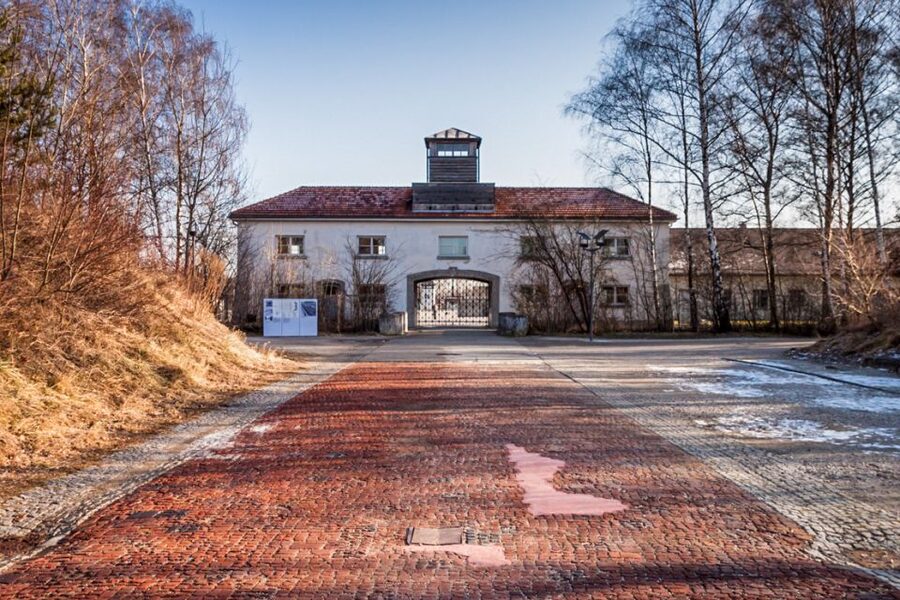
The Jourhaus was the entrance building and gateway into the camp. Passing through it gives the visit a strong beginning because you enter through the same threshold used by prisoners arriving at Dachau.
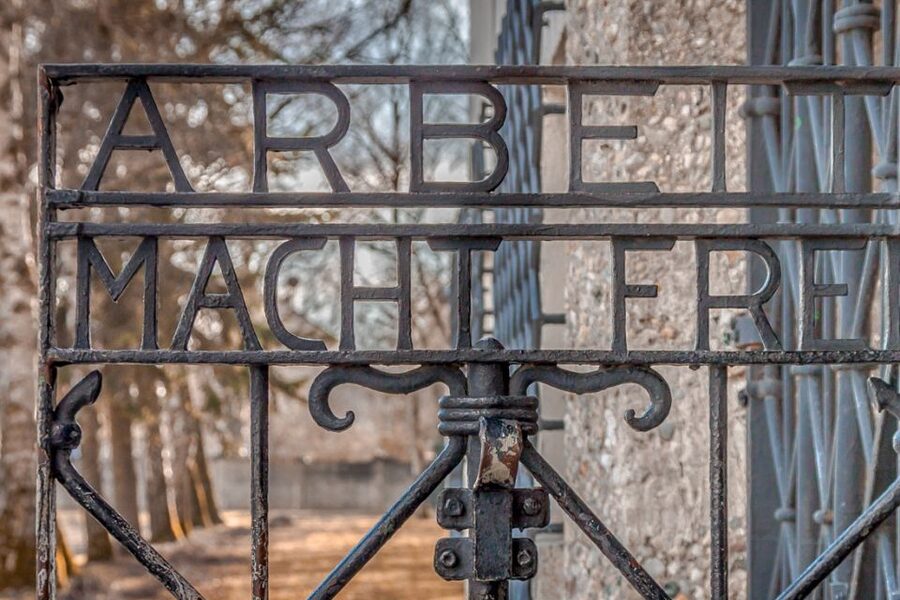
The infamous Arbeit Macht Frei sign is set into the gate. Your guide explains the lie behind those words and how such language was used as part of the camp’s system of control. This is not a moment for a quick photograph and a casual transition. The gateway sets the tone for the rest of the visit.
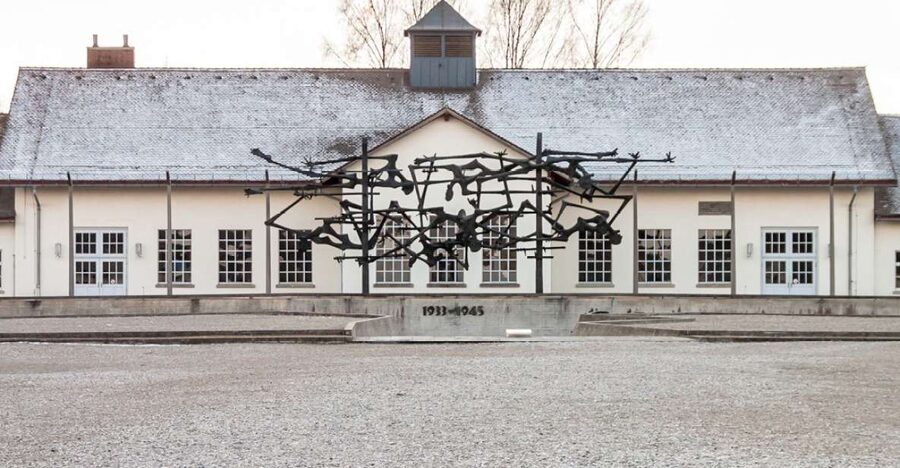
From there, the tour moves into the central camp area and Appellplatz. The Appellplatz was used for roll calls, a basic part of the camp’s daily operation. Your guide explains how prisoners were registered, counted, ordered about, and subjected to punishment.
This part of the visit helps you understand that terror was built into ordinary routines. The camp did not rely only on physical barriers. Time, rules, inspections, public punishment, and uncertainty all worked together to remove control from prisoners’ lives.
The Bunker and the machinery of punishment
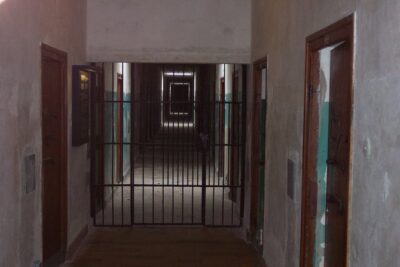
The Bunker was the camp prison. It is one of the most important places on the route because it shows that punishment was not an occasional response to a crime. It was part of the camp’s structure.
Your guide discusses the rules imposed on prisoners and the forms of torture and punishment used inside the system. The subject matter is graphic and emotionally difficult. The tour is not designed to entertain you, and the guide’s job is to explain what happened without turning suffering into spectacle.
This is where a strong guide earns the fee. Adam is praised for explaining the route prisoners took and for leaving time at key points so people could look and think for themselves. That balance is important. You need facts, but you also need a little quiet to process them.
The tour’s pace is generally described as good. Sam and Adam are both praised for adjusting the walking speed and checking that the group stayed together. Still, this is a long visit. You should expect to be on your feet for much of the four-hour camp visit, with only limited opportunities to stop.
A few more Munich tours and experiences worth a look
- From Munich: Neuschwanstein & Linderhof Castle Full-Day Trip
★ 4.5 · 12,494 reviews - From Munich: Neuschwanstein Castle Full-Day Trip
★ 4.7 · 3,977 reviews - From Munich: Neuschwanstein Castle Full-Day Trip by Van
★ 4.8 · 1,177 reviews - Full-Day Dachau Concentration Camp Memorial Site Tour from Munich
★ 5.0 · 897 reviews
Barracks, Barrack X, and daily camp life
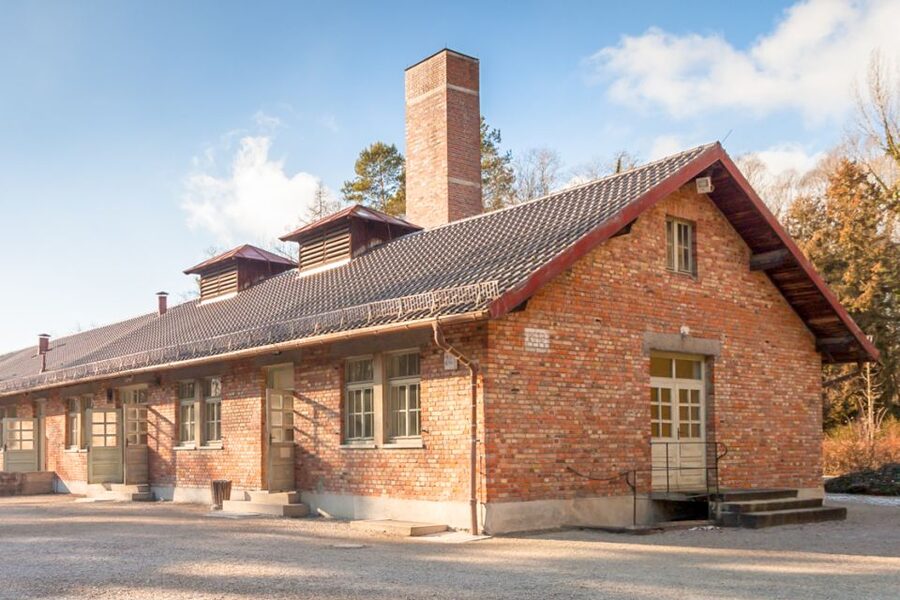
The barracks show the physical conditions of camp life. Your guide explains how prisoners were housed and how the system evolved as Dachau expanded. The buildings and open spaces can look starkly simple, which is precisely why the explanation matters.
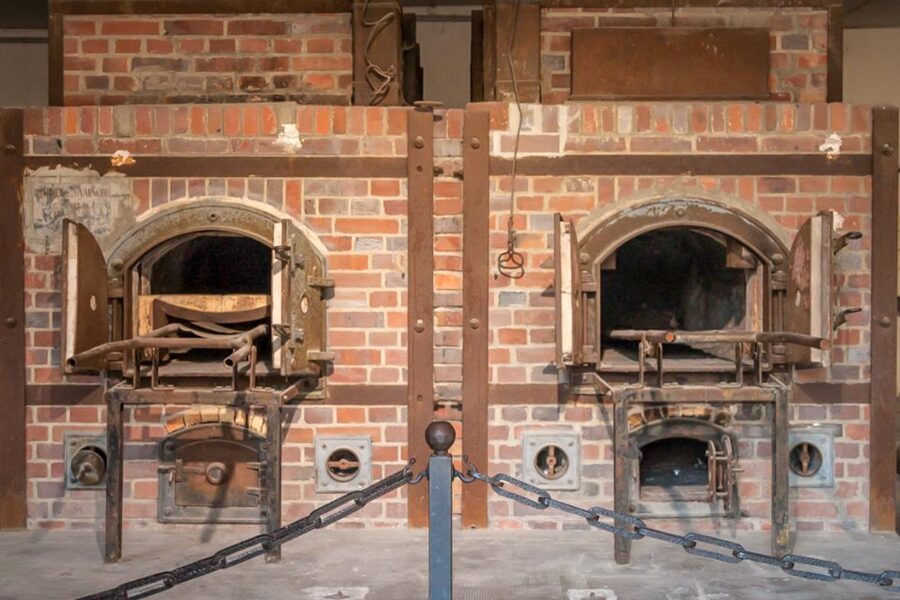
The visit includes Barrack X, one of the site’s key buildings. The name is often associated with the camp’s medical facilities and killing operations, and the tour addresses the camp’s methods of death and abuse. Be prepared for disturbing material.
You will also learn about the camp’s daily operations from the moment new prisoners arrived. Registration was not a neutral administrative step. It was part of a process that stripped people of their names, belongings, freedom, and identity.
The guide connects the buildings to the people who passed through them. That connection is one reason this experience works better with a trained guide than with a quick self-guided walk. You are not simply viewing barracks, a gate, and a prison building. You are learning how those places functioned together.
The S.S. Training Facility and the wider purpose of Dachau
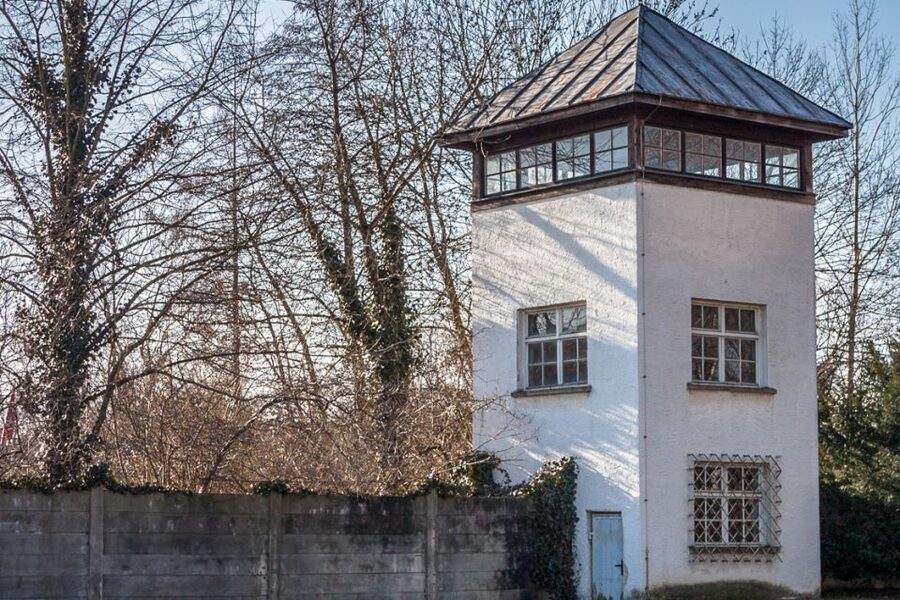
The former S.S. Training Facility, also called the School of Terror, is included in the explanation of Dachau’s role. This detail broadens the visit beyond the camp’s prisoner areas.
Dachau was also a place where the S.S. system developed and trained. The camp’s importance therefore reached beyond its perimeter. The guide explains how its methods and organization helped shape the wider Nazi camp network.
Keith is praised for showing how Dachau’s terror affected people far outside the barbed wire and watchtowers. That is a useful point to keep in mind. The camp was not an isolated corner of Germany. It formed part of a larger political and social system.
This section can be hard to absorb because the tour covers a great deal in one day. Take notes mentally, but do not expect to remember every date and term. The larger lesson is clear: Dachau was both a place of imprisonment and a center for developing methods of repression.
Four hours inside a difficult memorial
The camp visit lasts about four hours, including a short 15-minute break at the Memorial Site. That is enough time to cover the main locations without reducing the experience to a hurried checklist.
You should not expect a relaxed café stop or a long lunch. Food may not be eaten during tours at Dachau, so have a solid breakfast or bring something to eat for the train ride. Pack water, but understand that this is not a day built around frequent refreshment breaks.
Wear comfortable shoes. The tour includes walking between buildings and standing while the guide explains each place. Weather-appropriate clothing is essential because parts of the visit take place outdoors.
The Memorial Site is emotionally demanding as well as physically tiring. A thoughtful guide gives you time to take in the material, but the schedule remains fixed. If you need long pauses, frequent seating, or a flexible route, an independent visit may suit you better.
People with mobility impairments, wheelchair users, and people with respiratory issues are specifically advised against booking this activity. The tour is also not suitable for children under 14. Young people aged 14 and older may attend with parents who understand the graphic nature of the material, and proof of age may be requested.
Returning to Munich by bus and train
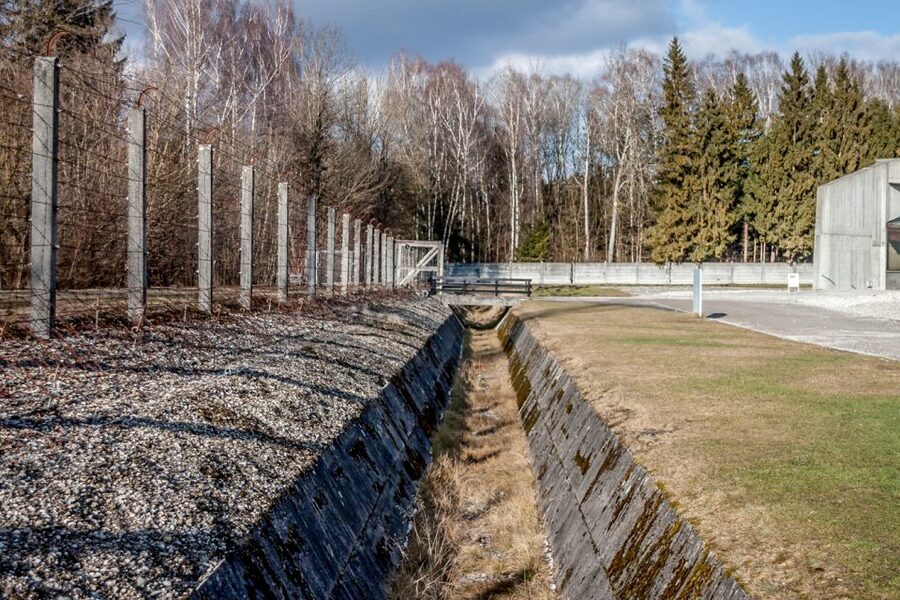
After the Memorial Site visit, the group takes about 10 minutes by bus and then roughly 40 minutes by train back to Munich. The activity ends at the original Marienplatz meeting point in the late afternoon.
This return arrangement is convenient because you do not need to navigate the transport system after an intense visit. Guides such as Adam are praised for keeping the plan clear, checking that the group stayed together, and handling transport changes when needed.
The ride back also gives you a natural transition from the Memorial Site to the rest of your day. You may want quiet time, a meal, or a simple walk through central Munich afterward. I would not schedule another demanding attraction immediately after Dachau.
Is $51 a fair price?
At $51, this is a solid value if you want a guided visit rather than a self-planned trip. The price includes the live English-speaking guide, train fare, and bus fare. It also saves you the work of figuring out the route, timing the connections, and deciding which parts of the site deserve your attention.
The real value lies in the guide. Sam, Adam, Marcin, Hein, Keith, and Scott are praised for clear delivery, strong subject knowledge, respectful behavior, and good group management. Adam is especially noted for answering questions about both Dachau and Munich, while Marcin is praised for making the transport process straightforward.
You are not paying for luxury transport, hotel pickup, or a meal. Hotel pickup and drop-off are not included, and the tour begins and ends at Marienplatz. If you are already comfortable using Munich’s public transportation and have several hours to study the Memorial Site on your own, independent travel may cost less.
For many people, though, the structure is worth it. Dachau is not a place where a few photographs and scattered facts are enough. A guide helps you understand the sequence, the buildings, and the human consequences.
Who should book this Dachau tour?
I recommend this tour if you want a serious, organized introduction to Dachau and prefer to have difficult material explained by an experienced English-speaking guide. It suits adults and families with older teenagers who understand the subject matter.
It is particularly useful for first-time visitors. You receive the historical framework, the main route, transport support, and time to ask questions. The small-group format also makes it easier to hear the guide and stay connected.
You should think twice if you are looking for a light day trip, dislike public transport, need regular food breaks, or have difficulty walking and standing. The experience is moving, but it is not easy. That is part of its purpose.
The tour has a 4.9 rating from 1,406 reviews, with repeated praise for the guides’ clear explanations, compassion, organization, and ability to pace the group. The individual guide matters, but the format gives you a strong foundation even before you know who will lead your departure.
Final booking advice
Book this tour if you want Dachau explained carefully and respectfully, with transport from central Munich handled for you. Choose it especially if names, dates, and buildings mean little to you without a clear narrative.
Skip it if you need a private vehicle, extensive breaks, or a less demanding day. Also check the age and accessibility rules before booking. For the right visitor, this is a valuable and unforgettable memorial visit, not because it is pleasant, but because it helps you understand what happened and why remembering it still matters.
FAQ
Where does the Dachau tour begin?
Meet your guide at Marienplatz, in front of the Ludwig Beck department store at Marienplatz 11. Look for a white and blue umbrella and signs advertising the Dachau Tour.
Where does the tour end?
The activity ends back at the Marienplatz meeting point in Munich.
How long does the experience last?
The full activity lasts about six hours, including around two hours of travel and about four hours inside the Dachau Memorial Site.
How do you travel from Munich to Dachau?
The group travels by public transportation, using the subway or metro, a bus, and a train. Train and bus fees are included.
Is the tour conducted in English?
Yes. The tour has a live English-speaking guide.
What places are included at Dachau?
The route includes the S.S. Training Facility, Jourhaus, the entrance gateway with the Arbeit Macht Frei sign, Appellplatz, the Bunker, Barrack X, and other parts of the Memorial Site.
Is food included?
No. Food is not included, and eating is not permitted during tours at Dachau. Eat a large breakfast or bring something to eat for the train.
Can children join the tour?
Children aged 13 or under are not permitted. Children aged 14 and older may attend with parents who understand the graphic nature of the tour content.
Is the tour suitable for wheelchair users?
No. The activity is listed as unsuitable for wheelchair users and people with mobility impairments.
What should I bring?
Bring comfortable shoes, water, snacks for the train, and clothing suited to the weather. Smoking, alcohol, drugs, and video recording are not permitted.
Just added around Munich
- Private Transfer from Munich to Salzburg, English-speaking driver★ 3.5 · 3 reviews
- Private tour from Munich to Rothenburg and Harburg★ 5.0 · 3 reviews
- Scenic Adventure Private Day Tour to The Konigssee Salzburg★ 4.5 · 3 reviews
- Munich: Capture the most Photogenic Spots with a Local★ 5.0 · 3 reviews
- Private Beer Tasting Tour in Munich with Oktoberfest Museum★ 4.3 · 3 reviews
- Munich Photoshoot: A Must-Have Holiday Experience!★ 5.0 · 3 reviews
- Paul’s Private Tour in the Alte Pinakothek Munich★ 5.0 · 3 reviews
- Private Tour to Hallstatt Salt Mine and Skywalk with Lunch★ 5.0 · 3 reviews
Dachau Memorial Tours, compared.
Dachau Concentration Camp Memorial Site Tour from Munich by Train
Read our review →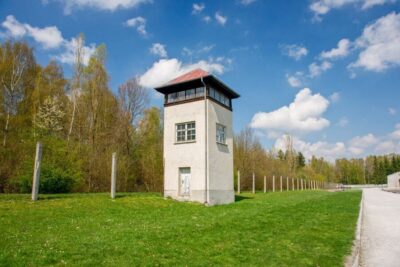
Dachau Concentration Camp Memorial Tour with Train from Munich
Read our review →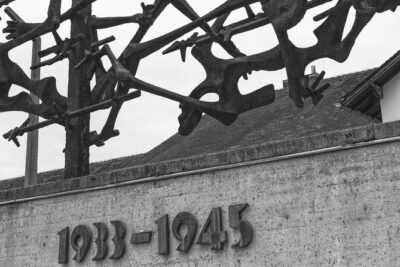
Early-Start Dachau Memorial Half-Day Tour from Munich
Read our review →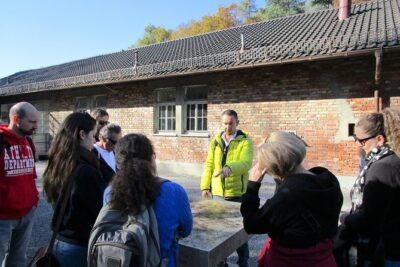
Guided Dachau Concentration Camp Memorial Site Tour with Train from Munich
Read our review →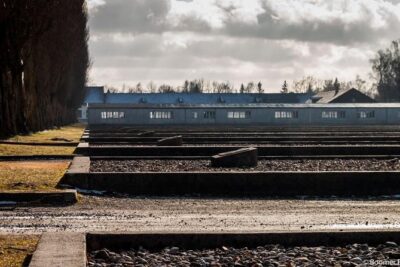
Full-Day Dachau Concentration Camp Memorial Site Tour from Munich
Read our review →
Dachau Small-Group Half-Day Tour from Munich By Train
Read our review →Browse the lists this tour appears in