
Reviewed · WALKING TOURS
Discover Munich 2-Hour Small Group Walking Tour
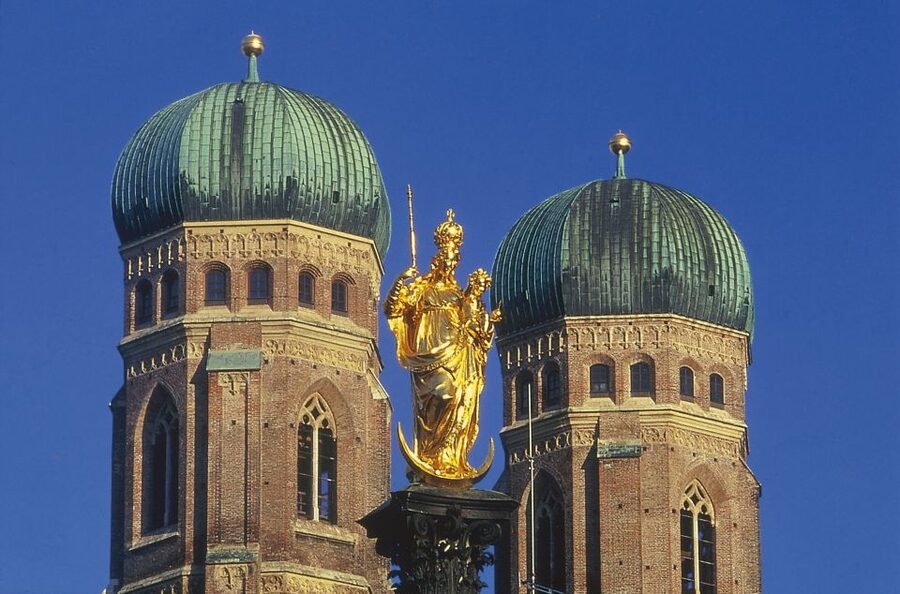
Munich’s old town is easy to admire but harder to understand without context. This two-hour walk connects the postcard sights with stories about local customs, festivals, beer halls, churches, and the darker chapters of the 20th century. The Rathaus-Glockenspiel is a highlight, and guides such as Sam, Timmy, Anna, Leon, and Sarah have been praised for making the history lively rather than lecture-like.
I like the tour’s practical timing and modest price: at $27, it gives you a useful first look before you spend money on museums or longer excursions. I also like the food and beer advice, especially when a guide such as Daniel points you toward a beer garden or when Anna and other guides explain how Munich life works beyond its famous buildings. The main caution is group size. It is advertised as averaging 10 to 15 people, but some departures have reached around 24 or 25, making it harder to hear in busy streets.
In This Review
- Key points to know before you book
- Why this is a smart first look at Munich
- Starting at Dachauer Straße 4
- Crossing Munich’s historic center on foot
- Marienplatz and the Rathaus-Glockenspiel
- Churches, beer halls, and less obvious stops
- Munich’s darker 20th-century story
- How the guides shape the experience
- Pace, crowds, and the real meaning of small group
- Is $27 good value?
- Who should book this Munich walk?
- My booking verdict
- FAQ
- How long does the Munich walking tour last?
- What is the price of the tour?
- Where does the tour begin?
- Where does the tour finish?
- Is the Rathaus-Glockenspiel included?
- Is food or beer included?
- What language is the tour offered in?
- How large is the group?
- Is the tour wheelchair accessible?
- Can I cancel for a refund?
Key points to know before you book
- Marienplatz is the headline stop: You see the central square and the Rathaus-Glockenspiel, with some departures timed to catch the clock display.
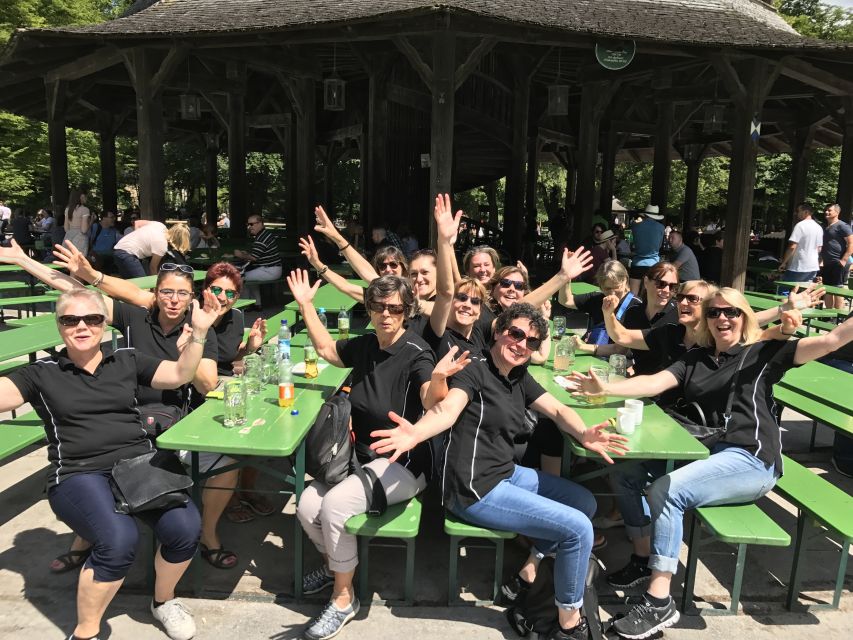
- The route mixes famous and less obvious sights: Expect churches, historic buildings, beer halls, cultural stories, and locations that are easy to miss on your own.
- The guide makes the difference: Sam, Timmy, Anna, Leon, Sarah, and several others have been praised for humor, clear explanations, and useful recommendations.
- It works best early in your stay: The walk helps you get oriented and choose where to return for a meal, drink, or longer visit.
- Group size can vary: The usual group is described as 10 to 15, but larger groups have occurred.
- Bring your own food budget: The $27 price covers the guide and walk only. Meals and drinks are separate.
Why this is a smart first look at Munich
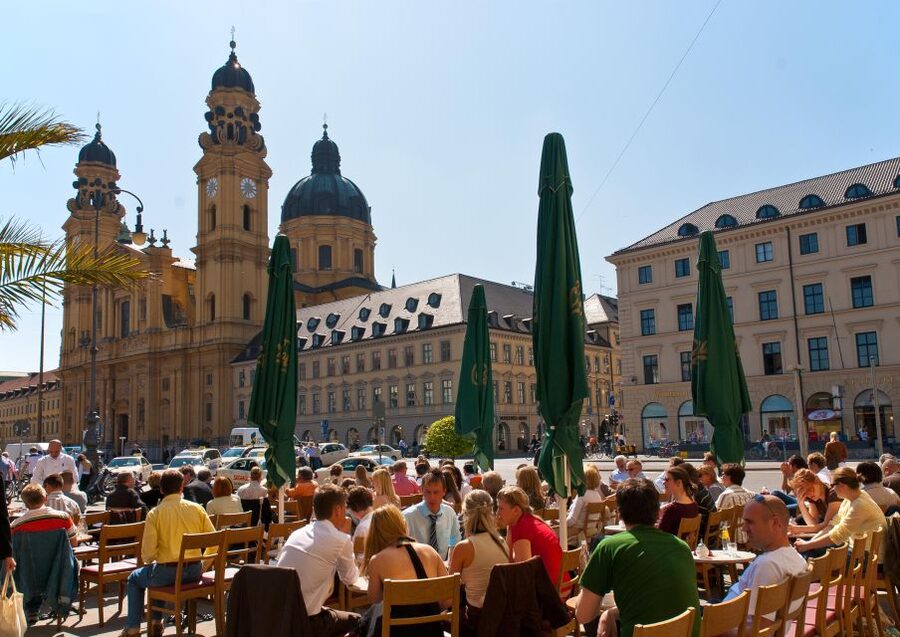
Munich rewards a little orientation. The old town is compact enough to explore on foot, but its churches, squares, royal connections, beer culture, and 20th-century history do not always explain themselves. A good guide gives you a map in your head, then sends you back out to explore with more purpose.
This tour is built for that first look. In two hours, you cover central Munich with a live English-speaking guide, stopping often enough to hear the story behind what you are seeing. You are not simply walking from one famous building to the next. The guide adds local customs, festival traditions, restaurant suggestions, and personal observations about life in the city.
I would book it for the first or second day of a Munich visit. That timing lets you use the advice immediately. If a guide recommends a particular beer garden, church interior, or neighborhood restaurant, you still have time to follow up. It also means you can return to the sights that deserve a slower visit.
The published rating is 4.6 from 491 reviews, with repeated praise for the guides’ humor, warmth, and ability to explain history clearly. That consistency matters more than any single guide name, since the guide assigned to your departure may vary.
More walking tours in Munich:
- Munich: Third Reich & WWII Walking Tour
★ 4.6 · 6,181 reviews - Third Reich Walking Tour Munich
★ 4.5 · 4,291 reviews - Munich: Old Town & Viktualienmarkt City Walk in German
★ 4.7 · 2,304 reviews
Starting at Dachauer Straße 4
The meeting point is the local operator’s office at Dachauer Straße 4, 80335 Munich. This is near the main railway station, which makes the starting point practical if you have arrived by train or are staying around Hauptbahnhof.
Allow enough time to find the office and gather before the walk begins. One useful caution comes from the meeting area itself: a participant found the nearby street uncomfortable while waiting and advised avoiding a particular street around the corner. That does not describe the walking route, but it is sensible to go directly to the stated office rather than wait casually on side streets.
The opening matters because the guide usually sets the tone for the whole walk. This is the moment to mention mobility needs, ask about the route, and tell the guide what you hope to see. The activity is listed as wheelchair accessible, though the old town’s crowds and street conditions can still affect how comfortable the walk feels.
You receive a walking tour and a guide. There is no included food or drink, so eat beforehand or plan to stop later. Since the tour lasts two hours, you do not need to carry a full day pack, but comfortable shoes and water are sensible choices.
Crossing Munich’s historic center on foot
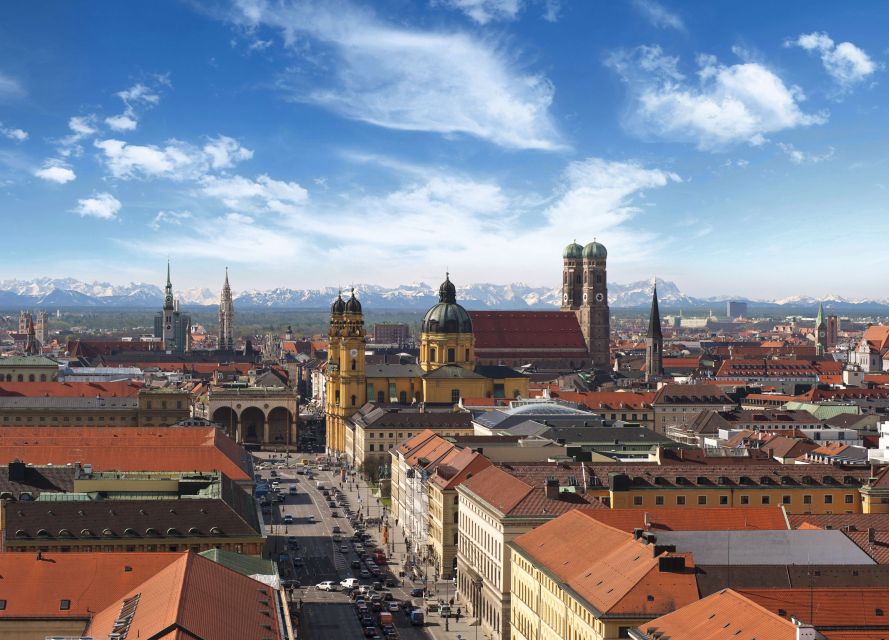
The route heads through central Munich toward its best-known historic sights. The exact order can vary, but the experience focuses on the old town rather than museums or outlying attractions. That makes the walk a good match for you if you want a broad introduction instead of a detailed look at one building.
Expect frequent pauses while the guide explains architecture, local history, and stories connected with Munich’s rulers and residents. Lucia, for example, was praised for combining major events with tales about kings, dukes, and unusual historical characters. Brett was singled out for explaining both the city’s past and its architecture, while other guides have added comments about German social customs.
That mix is one of the tour’s strengths. You get more than dates and names. A guide may explain why a church matters, how Munich’s festivals fit into city life, or what local habits shape eating and drinking. The best moments are likely to be the small connections between sights, such as understanding how a square functions today while learning what happened there in earlier periods.
The walk is also a chance to ask questions. Guides have been praised for answering random questions, staying after the official tour to help, and offering suggestions for other attractions. If you have a particular interest, ask early. A small group gives you a better chance of getting a useful answer than a large bus tour would.
Marienplatz and the Rathaus-Glockenspiel
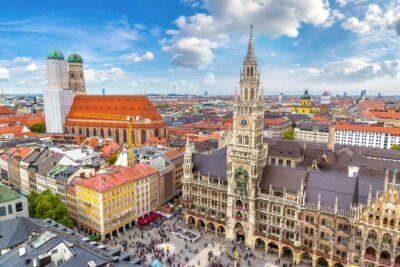
Marienplatz is the natural centerpiece. This broad central square is where Munich’s historic heart meets its modern city life, and the Rathaus-Glockenspiel gives the visit its most recognizable visual moment.
The Glockenspiel is whimsical in appearance, but the guide supplies the context that a quick photograph cannot. If your start time allows, the walk may be timed to see the clock tower display at noon. One participant specifically appreciated finishing in the square for the midday performance. Since starting times vary, check the available departure times if seeing the display is important to you.
Marienplatz can be crowded, particularly around the clock display. A larger group is harder to gather and hear in this setting, so stay close to the guide and avoid drifting toward the center of the square for photographs until the explanation is finished. This is one place where the advertised small-group format matters.
Do not expect a long private viewing or an in-depth architectural study. The tour gives you an introduction, then you can return later for photographs and a closer look. That division of labor works well. The guide gives you meaning and orientation, while your independent visit gives you time.
Something different, still within reach of Munich:
- From Munich: Neuschwanstein & Linderhof Castle Full-Day Trip
★ 4.5 · 12,494 reviews - Neuschwanstein & Linderhof Castle-Fairytale Day Tour from Munich
★ 4.5 · 7,275 reviews - Dachau Concentration Camp Memorial Site Tour from Munich by Train
★ 4.5 · 5,637 reviews - Neuschwanstein Castle Tour from Munich
★ 4.5 · 5,117 reviews
Churches, beer halls, and less obvious stops
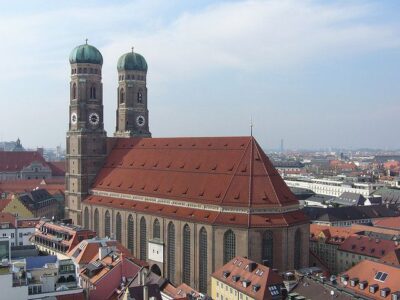
Munich’s churches add variety to the route. The walk passes beautiful churches, and at least one guide has allowed time for participants to step inside along the way. That is a welcome touch, since church interiors can provide a quiet break from the streets and show a different side of the city’s public life.
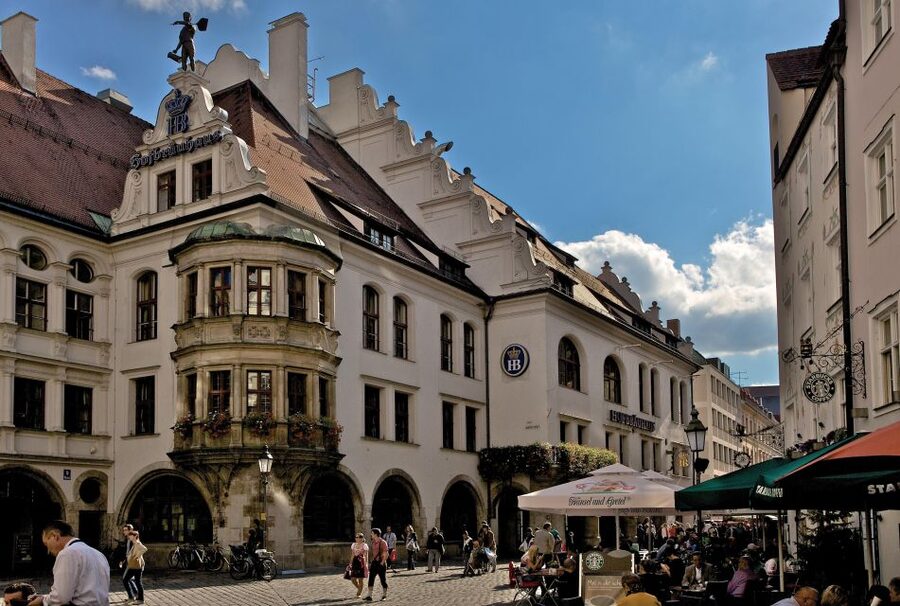
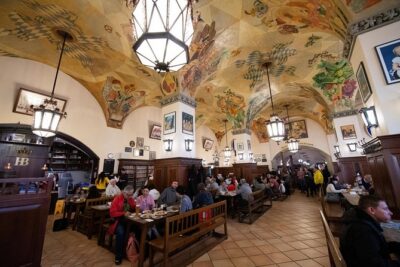
The tour also passes the city’s most famous beer halls. These are not simply places to drink. They are part of Munich’s social identity, and the guide can help you understand where beer culture fits into everyday life, festivals, and meals.
Food and drink advice is one of the most useful parts for many people. Guides have suggested restaurants, bars, foods to try, and beer gardens. One visitor followed Daniel’s advice and enjoyed a beer garden in the English Garden. The tour does not include a tasting, so think of these recommendations as a practical follow-up list rather than part of the paid activity.
The promise of lesser-known locations should be understood in the right way. This is not a secret-access tour, and the main route remains centered on the old town. But a local guide can point out details you might walk past, explain a building that is not in every guidebook, or lead you through a less obvious corner between headline sights.
Munich’s darker 20th-century story
A useful feature of the walk is its willingness to address sinister parts of Munich’s 20th-century history. The tour is not presented as a dedicated political-history excursion, but it does not treat the city as a collection of cheerful beer halls and pretty façades.
That balance is important. Munich’s cultural image can be lighthearted, yet the city also carries difficult historical memories. A guide who includes those subjects gives you a more honest understanding of place. The information is woven into the general city walk rather than separated from the rest of Munich’s story.
The tone varies by guide. Some have been praised for being funny and energetic, while others have taken a slower, more measured approach. You should expect the guide to move between humor, architecture, cultural habits, and serious history. That range keeps a short tour from feeling flat, though anyone seeking a detailed study of the Nazi period should plan a separate, more focused visit.
How the guides shape the experience
The strongest praise centers on the guides. Sam is described as passionate, informative, and full of stories. Timmy has been praised for clear speech, humor, and keeping a group together through busy streets. Anna has received high marks for personal insights and an easy way of explaining Munich’s past.
Other guides bring different strengths. Leon is described as funny and down to earth. Sarah has been praised for sharing a great deal of information without making the walk feel like a university lecture. Adrian offered suggestions for later attractions, and Connie made the tour feel fun and accessible.
That range is worth keeping in mind. A walking tour is not a recorded audio track, so the personality and presentation style will depend on the person leading your departure. The common thread is clear explanations, friendliness, and a willingness to answer questions.
Children can fit into the experience, too. Sam was specifically praised for keeping children engaged. Still, two hours on foot with repeated listening stops may be more appealing to older children than very young ones.
Pace, crowds, and the real meaning of small group
Two hours is a good length for an introduction. You cover a useful section of Munich without committing half a day, and several participants found the pace comfortable. Patrick was praised for moving slowly enough to allow a relaxed experience and time to enter churches.
The walk is not a strenuous hike, but you will be on your feet for the full period. Rain can make it less pleasant. Two separate departures continued during heavy rain, with guides trying to use covered or drier spots when stopping. That shows practical care, but no outdoor walking tour can make wet weather disappear.
The group is described in different ways: usually 15 to 20 people in the general description, with an average of 10 to 15 in the additional information. In practice, one group had 12 to 14 people, while another reached 24. A participant specifically felt that the larger group made it harder to hear and stay together.
If you need a quiet, highly personal experience, this may not be small enough. If you are comfortable joining a shared city walk, the group format keeps the cost low while still allowing questions. Stand near the guide, especially at busy crossings and large squares.
Is $27 good value?
At $27 per person, this is a fair price for a two-hour introduction to central Munich. You are paying for a live guide, local orientation, historical explanation, and recommendations that can save you time later. The value is strongest when you take the tour early and use the advice during the rest of your stay.
The price does not include food, beer, entrance tickets, or transportation. That keeps the cost straightforward, but you should not mistake it for a tasting tour or a museum tour. The main product is interpretation on foot.
Compared with exploring alone, the tour gives you a faster way to sort out what deserves a second look. Compared with a private guide, it costs far less but gives you less control over the pace and subject matter. For a first visit, that trade-off makes sense.
Flexible booking also helps. You can reserve now and pay later, and cancellation is free up to 24 hours before the start time for a full refund. Check the available starting times before booking, especially if you want to catch the Glockenspiel display.
Who should book this Munich walk?
I would recommend it to first-time visitors, solo travelers who want an easy introduction, couples, families with older children, and anyone who likes history delivered through stories rather than long formal talks.
It is especially useful if you arrive by train and are staying near the central station, since the meeting point is on Dachauer Straße. It also suits you if restaurant and beer garden advice is nearly as valuable as the sightseeing itself.
You may want something else if you have already spent several days in Munich and know the old town well. The tour is an overview, not a specialist visit to museums, royal collections, or 20th-century memorial sites. A group that grows to 24 or 25 can also feel less personal than the name suggests.
My booking verdict
Book this tour near the beginning of your Munich stay if you want the city explained quickly and practically. The strongest reasons are the central route, the Rathaus-Glockenspiel, the useful eating and drinking suggestions, and guides who consistently bring humor and clear storytelling to the walk.
I would not book it expecting a private experience or a deep study of one period. Check the meeting point carefully, arrive ready for a full two hours outdoors, and remember that group size can vary. At $27, it is a sensible first step for getting your bearings, finding places to return to, and seeing Munich with more context than you would get from walking alone.
FAQ
How long does the Munich walking tour last?
The tour lasts two hours.
What is the price of the tour?
The listed price is $27 per person.
Where does the tour begin?
Meet at the local operator’s office at Dachauer Straße 4, 80335 Munich.
Where does the tour finish?
The stated itinerary shows the tour returning to Dachauer Straße 4. Some tour descriptions also place the final part of the walk in Munich’s old town, so confirm the current route and finish point when booking.
Is the Rathaus-Glockenspiel included?
Yes. The tour visits Marienplatz and includes a view of the Rathaus-Glockenspiel. Some starting times may allow you to see the clock display.
Is food or beer included?
No. Food and drinks are not included in the tour price.
What language is the tour offered in?
The live guided tour is offered in English.
How large is the group?
The group is described as averaging 10 to 15 people, though some departures have been larger, with around 24 or 25 participants.
Is the tour wheelchair accessible?
Yes. The activity is listed as wheelchair accessible.
Can I cancel for a refund?
Yes. You can cancel up to 24 hours in advance for a full refund. You can also reserve now and pay later.
More 2-Hour Experiences in Munich
- Small-Group 2-Hour Munich and The Third Reich Walking Tour
★ 5.0 · 32 reviews - Munich: Nazi History 2-Hour Small Group Walking Tour
★ 5.0 · 30 reviews - 2-Hour Segway Discovery Tour Munich
★ 5.0 · 20 reviews - Munich 2-Hour Segway Tour
★ 5.0 · 15 reviews
Just added around Munich
- Private Transfer from Munich to Salzburg, English-speaking driver★ 3.5 · 3 reviews
- Private tour from Munich to Rothenburg and Harburg★ 5.0 · 3 reviews
- Scenic Adventure Private Day Tour to The Konigssee Salzburg★ 4.5 · 3 reviews
- Munich: Capture the most Photogenic Spots with a Local★ 5.0 · 3 reviews
- Private Beer Tasting Tour in Munich with Oktoberfest Museum★ 4.3 · 3 reviews
- Munich Photoshoot: A Must-Have Holiday Experience!★ 5.0 · 3 reviews
- Private Tour to Hallstatt Salt Mine and Skywalk with Lunch★ 5.0 · 3 reviews
- Paul’s Private Tour in the Alte Pinakothek Munich★ 5.0 · 3 reviews
Walking Tours, compared.

Old Town & Viktualienmarkt City Walk in German
Read our review →
Munich Ghosts and Spirits Evening Walking Tour
Read our review →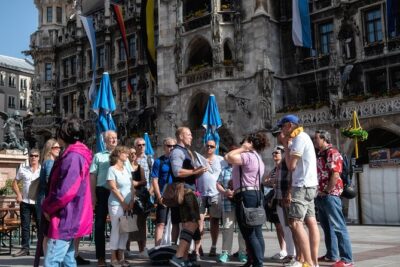
Birthplace of the Third Reich Guided Walking Tour
Read our review →Browse the lists this tour appears in