
Reviewed · THIRD REICH & WWII TOURS
Munich: Third Reich & WWII Walking Tour
Munich was not just a backdrop to the Third Reich. It was where Hitler found an audience, built his movement, and tested his path to power. This 2.5-hour walking tour links those events to streets and squares you can still see today.
I like the route’s focus on real places, especially the Hofbräuhaus and Feldherrnhalle, and I like that it gives the White Rose resistance movement a proper place in the story. The main drawback is simple: you are outdoors for roughly 165 minutes, so cold, rain, crowds, and tired feet can affect the experience.
In This Review
- Key points to know
- Why Munich is the right place for this history
- Starting with the Hofbräuhaus
- The failed seizure of power at Feldherrnhalle
- Königsplatz and the scale of Nazi spectacle
- The Hofgarten and the White Rose
- What the guide can add to the walk
- Pace, weather, and group size
- Is $31 a fair price?
- Who should book this Munich history tour?
- Should you book the Third Reich and WWII Walking Tour?
- FAQ
- How long does the Munich Third Reich and WWII Walking Tour last?
- How much does the tour cost?
- Which Munich sites are included?
- Is the tour offered in English?
- Is the walking tour wheelchair accessible?
- Can I book a private group?
- What should I bring?
- Can I cancel the booking?
Key points to know
- Hitler’s Munich beginnings: Follow the city’s role in the early Nazi movement, from postwar unrest to mass political meetings.
- Major sites on foot: Visit the Hofbräuhaus, Feldherrnhalle, Königsplatz, and Hofgarten.
- Resistance gets attention: Learn how the White Rose opposed Nazi rule from Munich.
- Strong guide reports: Michael, Steve, Alex, Josh, Danielle, Florian, and others are noted for clear, engaging presentations.
- Good value at $31: The price covers a live guided walk of about 2.5 hours, with no extra attraction admission listed.
- Weather matters: Wear comfortable shoes and bring warm or waterproof clothing, especially in winter.
Why Munich is the right place for this history
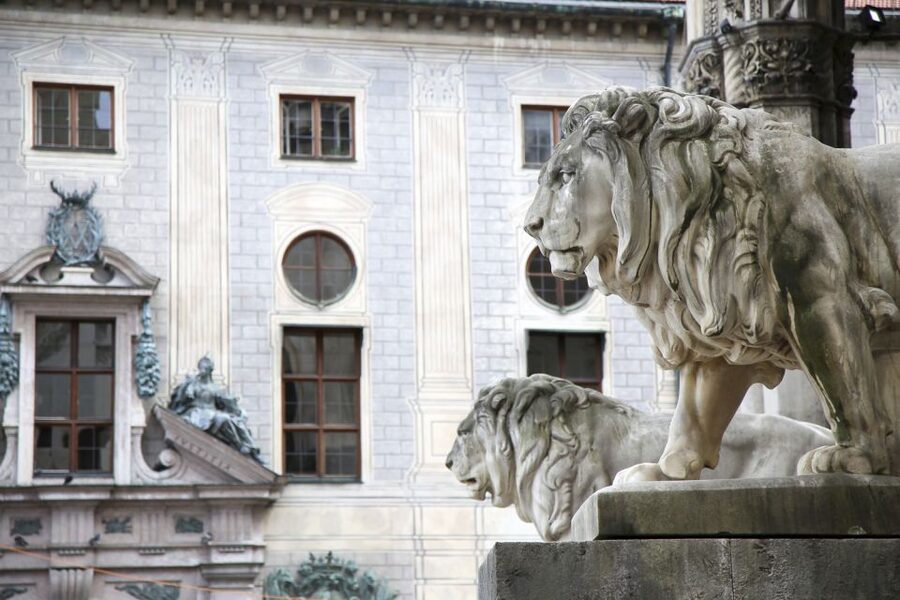
Munich’s connection to Nazism can be hard to grasp if you only visit memorials or museums. The city center looks elegant and prosperous today, yet the same streets were used for political meetings, marches, propaganda, and attempts to seize power.
That contrast is the reason I find a walking tour useful here. You are not only hearing dates and names. You are seeing how close the main locations are to one another, how public spaces could be used for mass politics, and how an ordinary city became the center of a murderous dictatorship.
The story begins in 1919, after Germany’s defeat in World War I. Bavaria was dealing with revolution, political violence, assassination, economic distress, and a sense of national humiliation. Munich became fertile ground for radical groups promising order, strength, and national renewal.
A good guide must handle this material with care. The strongest approach is neither theatrical nor dry. It should explain how political movements grow, why people listen to them, and how propaganda turns resentment into power. The guides associated with this walk, including Michael, Steve, Alex, Josh, Florian, Danielle, Aileen, Ulrich, and Brigit Muller, have been praised for doing that in different ways. Some use humor and vivid anecdotes. Others take a more solemn approach.
More Third Reich and wartime history walks in Munich:
- Third Reich Walking Tour Munich
★ 4.5 · 4,291 reviews - Munich: Birthplace of the Third Reich Guided Walking Tour
★ 4.6 · 771 reviews - Munich World War II Sites Including Dachau Concentration Camp
★ 4.5 · 570 reviews
Starting with the Hofbräuhaus
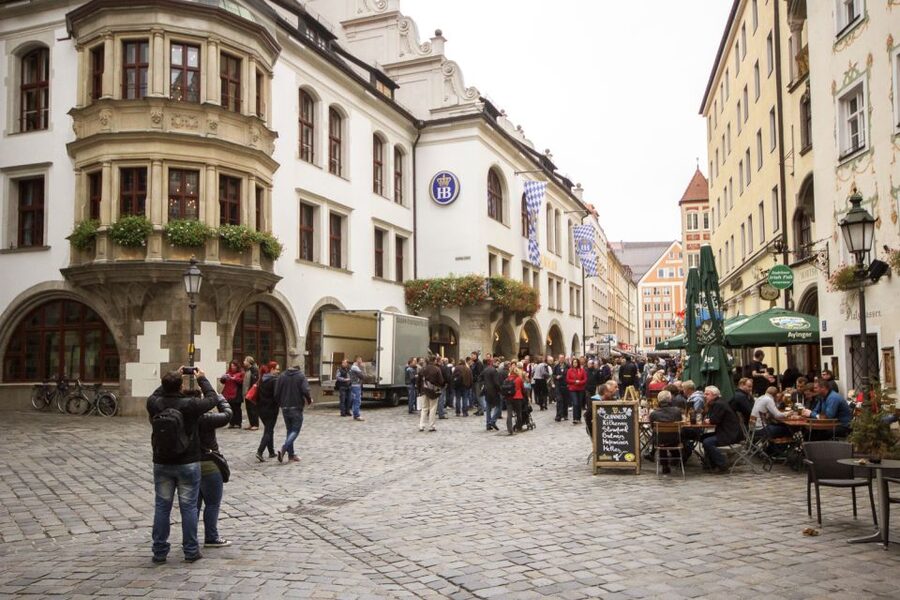
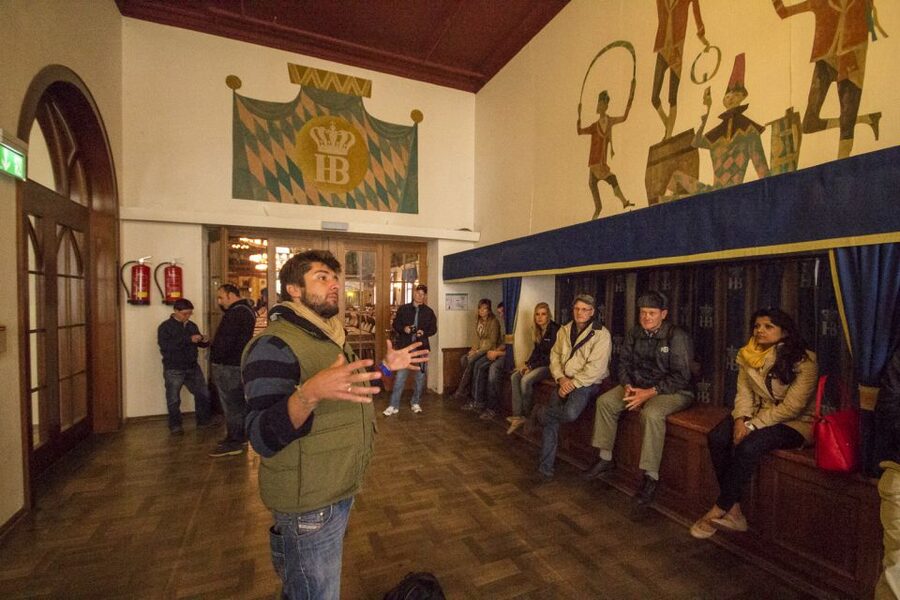
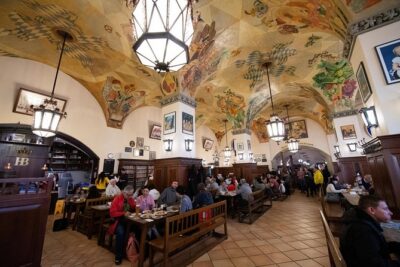
The Hofbräuhaus is one of Munich’s best-known beer halls, but on this tour you see it through a political lens. It was the site of an early mass meeting connected with the Nazi movement, making it an important stop in the story of how Hitler moved from a fringe political figure toward a larger public platform.
This is a useful place to begin because it shows that political power does not always start in official government buildings. Speeches, slogans, arguments, and carefully staged public gatherings can build momentum in familiar social settings.
The stop also helps explain the appeal of political theater. A large beer hall offered noise, energy, and a ready-made audience. The setting made political messaging feel like part of everyday life rather than a distant parliamentary debate.
You will likely spend more time listening than walking at each location. That is helpful when the guide is explaining the political climate, but it also means the tour can feel like a series of outdoor talks. Stay close enough to hear clearly, especially when the city center is crowded.
Several guides have been praised for projecting their voices well. That matters here. One useful criticism from a participant was that a small speaker could help when large crowds and street noise get in the way. If hearing every word is important to you, choose a position near the guide and avoid drifting to the rear of the group.
The failed seizure of power at Feldherrnhalle
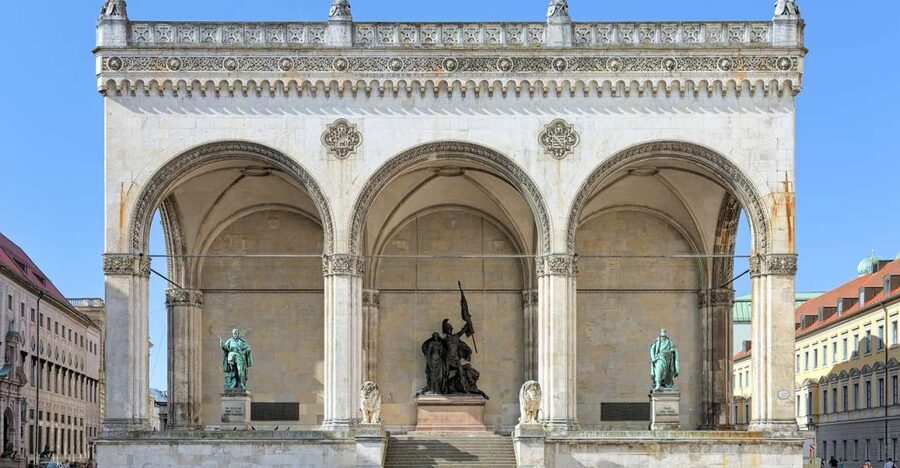
The route continues to Feldherrnhalle, the monumental loggia on the Odeonsplatz. This is where the tour discusses Hitler’s failed attempt to seize power in Bavaria in 1923, an event often called the Beer Hall Putsch.
The site gives the political story a physical shape. You can understand why a public square and ceremonial monument mattered to a movement eager to project authority. The failed coup did not immediately bring Hitler to power, but it became part of the mythology and propaganda surrounding the Nazi Party.
This is one of the tour’s more important lessons: political movements can learn from failure. Hitler’s attempt to take power by force collapsed, yet the publicity helped him gain attention. His later strategy relied more heavily on elections, legal institutions, public messaging, and the gradual capture of the state.
A guide who explains that shift adds real value. It prevents the story from becoming a simple sequence of dramatic events. You begin to see the mixture of violence, publicity, organization, and opportunism that allowed the movement to survive an early defeat.
Feldherrnhalle is also a busy urban stop. You may be standing near traffic, pedestrians, and other tour groups. Comfortable shoes are essential, and you should expect to remain on your feet while the guide speaks.
Königsplatz and the scale of Nazi spectacle
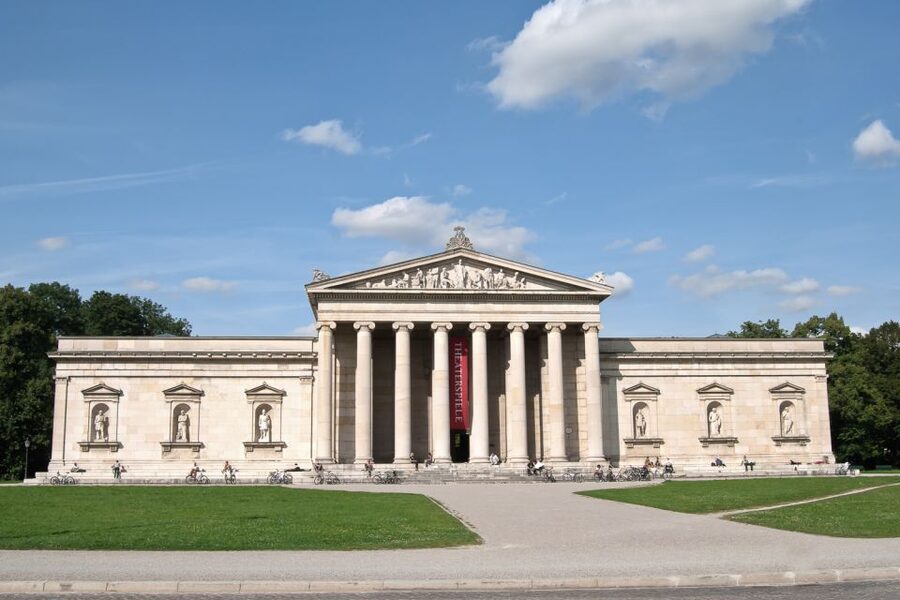
Königsplatz shows how architecture and public space were turned into tools of political display. The square was used for Nazi rallies, and its broad scale made it suitable for large crowds, marching formations, ceremonies, and carefully planned images of unity.
This stop is valuable because it moves the discussion beyond Hitler as an individual. Dictatorships depend on institutions, followers, symbols, public rituals, and the willingness of many people to participate or remain silent. A large ceremonial space helps you understand how a political movement presented itself as inevitable and all-powerful.
The tour also connects Munich’s wartime destruction to the rise of the regime. The city that helped launch Nazism later suffered heavy damage during World War II. That makes the walk a story about both political beginnings and the consequences that followed.
There is an important practical note here. The advertised route includes Königsplatz, but one participant reported that a particular tour ended elsewhere. Since meeting points and route details can vary by the option booked, check the current details before reserving if this stop is a deciding factor for you.
A nearby visit to the Documentation Center can make sense after the walk. One participant used the tour’s ending as a starting point for visiting the center afterward. The tour itself is outdoors and guide-led, while a museum visit gives you more time with documents, photographs, and exhibits. Treat them as complementary rather than interchangeable.
More walking tours in Munich:
- Munich: Old Town & Viktualienmarkt City Walk in German
★ 4.7 · 2,304 reviews - Munich: Night Watchman Walking Tour
★ 4.7 · 2,092 reviews - Munich Ghosts and Spirits Evening Walking Tour
★ 5.0 · 1,900 reviews - Munich Old Town Walking Tour
★ 4.5 · 1,287 reviews
The Hofgarten and the White Rose
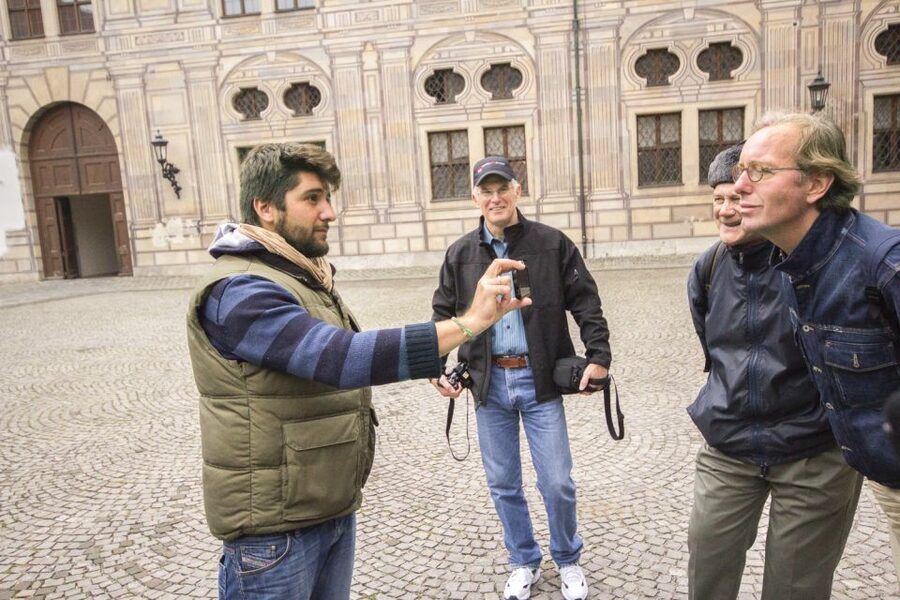
The stop in the Hofgarten adds an essential counterpoint to the story. Here, the guide discusses the White Rose resistance movement, a group associated with students and others who opposed Nazi rule through the distribution of anti-Nazi leaflets.
This part matters because a tour about Hitler’s rise can otherwise give too much attention to the people who gained power. The White Rose reminds you that resistance existed, even under a system built on surveillance, intimidation, and punishment.
The mood changes at this point. Earlier stops focus on crowds, speeches, rallies, and political ambition. The White Rose story brings the cost of dissent into view. It asks you to think about personal courage, moral responsibility, and the danger faced by people who rejected the regime.
I especially value this inclusion for families and younger visitors. One family described the tour as a useful way to learn local history together, with the hope that such events would never happen again. The subject is serious, but the guide’s role is to make it understandable, not merely grim.
What the guide can add to the walk
The guide will shape the experience more than the buildings will. Munich’s streets cannot explain themselves, and several of the most important events are no longer marked in a way that makes their meaning obvious.
The strongest guides on this tour have been described as clear, passionate, approachable, and able to answer questions. Steve is especially noted for looking after people in difficult weather, including carrying hot tea and mats or cushions for sitting on wet ledges. That is an unusually thoughtful touch on a long winter walk.
Josh has been praised for holding the attention of a large group, projecting his voice, and connecting the history to the modern world. He is also described as direct about the tour’s structure and time commitment. That can be useful if you prefer a guide who sets clear expectations at the start.
Michael is described as enthusiastic and easy to hear, with a strong grasp of Munich’s history. Alex is noted for his charisma and willingness to handle questions. Danielle is praised for managing large groups while keeping the presentation friendly and informal. Florian is known for local detail and personal interest in Munich’s past.
Those names do not guarantee a particular guide on your departure. They do show the range of approaches you might encounter. If you want a quiet academic lecture, you may find some guides more energetic than expected. If you prefer a lively storyteller, that energy can keep a difficult subject from becoming a dry list of facts.
The best way to get more from the walk is to arrive ready to listen. This is not a photo-stop tour with a few historical comments added on. It asks for attention, and the subject deserves it.
Pace, weather, and group size
The walk lasts about 2.5 hours, with the supplied timing also described as 165 minutes and 2 hours 45 minutes. Plan for roughly three hours once you include gathering the group and moving between stops.
The route includes frequent pauses, so you are not walking continuously for the full time. Still, the experience is outdoors and requires standing. Comfortable shoes are specifically recommended, and warm clothing is a must in cold months.
Winter conditions have a real effect. Some departures took place in rain, snow, cold, or freezing temperatures. Guides may make efforts to find indoor spaces or provide small comforts, but you should not rely on that as a substitute for a warm coat and weatherproof layers.
A private group is available. That option may suit families, school groups, or anyone who wants more time for questions. The standard format can include a large group, which brings energy but also creates challenges with hearing, staying together, and waiting at crossings or crowded sites.
Wheelchair access is listed, which is useful information for planning. Because this is a city walk with outdoor stops, confirm the exact meeting point and route for your chosen option if mobility access is a major concern.
Is $31 a fair price?
At $31 per person, this is a reasonable price for a live walk lasting around 2.5 hours. You are paying for a guide who can connect several Munich locations into one clear story, rather than simply pointing out monuments.
The value depends heavily on your interest. If you already plan to visit the Documentation Center, museums, or Dachau, this walk still adds something different: location and movement. You see where political meetings took place and how the city’s major sites fit together.
If you are not interested in twentieth-century German history, the price may feel less worthwhile. This is a focused tour about the birth of Nazism, Hitler’s rise, the Third Reich, World War II, and resistance. It is not a general introduction to Munich’s architecture, food, palaces, or royal past.
The cancellation policy also reduces the risk of booking ahead. You can cancel up to 24 hours before the activity for a full refund, and the reserve now, pay later option lets you hold a place without paying immediately. Check the exact terms attached to your chosen departure.
Who should book this Munich history tour?
I would recommend it to first-time Munich visitors who want historical context before exploring the city on their own. It is also a good fit for people who have read about Nazi Germany but want to understand the local setting.
Families with older children and teenagers can benefit, provided they are ready for a serious subject and a long outdoor walk. History students may appreciate the connections between locations, while casual visitors can follow the story without needing prior study.
You should think twice if you dislike group walks, standing, or extended discussion. The tour is not built around entertainment alone, and a large group may require patience. Cold or wet weather can also make the 165-minute format feel longer.
For the best experience, wear shoes with good support, arrive in layers, and keep your place near the guide. If you have a hearing concern, ask about the audio setup at the start. If Königsplatz is essential to your plans, confirm the ending point in advance.
Should you book the Third Reich and WWII Walking Tour?
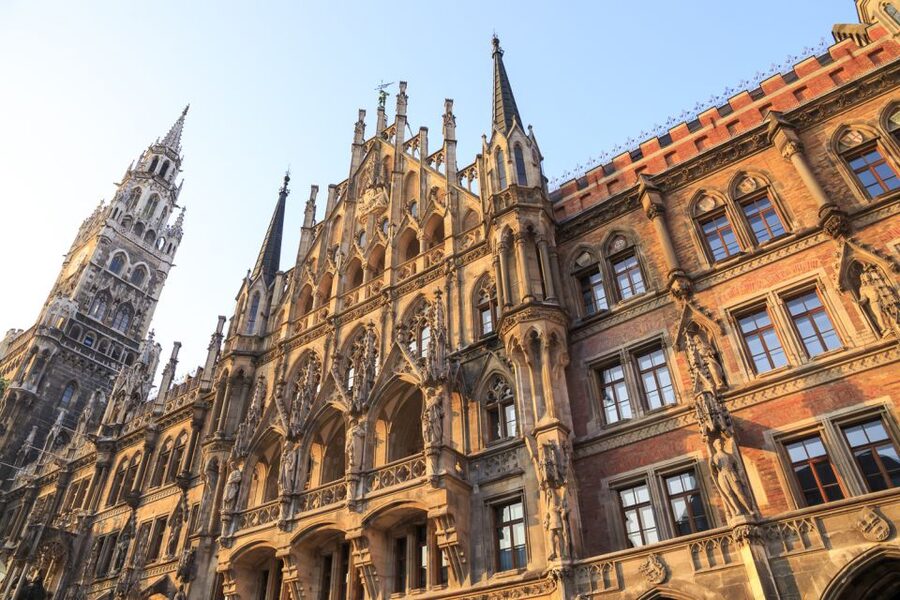
Book it if you want to understand how Munich became the birthplace of the Nazi movement, not just see a few famous sites. The route covers the Hofbräuhaus, Feldherrnhalle, Königsplatz, and Hofgarten, while the guides bring in the White Rose and the human cost of resistance.
I see the tour’s greatest strength in its combination of place and explanation. You get a serious, direct account of Hitler’s rise, set against the actual streets and squares where the movement grew. At $31, that is a fair use of a morning or afternoon in Munich.
Skip it if you want a broad city tour or a mostly indoor activity. For everyone else, especially those willing to dress for the weather and give the subject their full attention, this is one of the more useful ways to approach Munich’s darkest chapter.
FAQ
How long does the Munich Third Reich and WWII Walking Tour last?
The tour lasts about 2.5 hours. The activity details also list a duration of 165 minutes and describe the walk as 2 hours 45 minutes, so you should allow roughly three hours.
How much does the tour cost?
The listed price is $31 per person.
Which Munich sites are included?
The route includes the Hofbräuhaus, Feldherrnhalle, Königsplatz, and a stop in the Hofgarten. It covers locations connected with Hitler’s rise, Nazi Party rallies, the failed 1923 seizure of power, and the White Rose resistance movement.
Is the tour offered in English?
Yes. Live guides are available in English and German.
Is the walking tour wheelchair accessible?
Wheelchair accessibility is listed for the activity. Because the exact meeting point and option can vary, confirm the route details when booking.
Can I book a private group?
Yes. A private group option is available.
What should I bring?
Bring comfortable shoes. Warm or waterproof clothing is also a wise choice because the tour takes place outdoors and can be cold or wet.
Can I cancel the booking?
You can cancel up to 24 hours in advance for a full refund. A reserve now, pay later option is also available, subject to the terms of the selected booking.
Just added around Munich
- Private Transfer from Munich to Salzburg, English-speaking driver★ 3.5 · 3 reviews
- Private tour from Munich to Rothenburg and Harburg★ 5.0 · 3 reviews
- Scenic Adventure Private Day Tour to The Konigssee Salzburg★ 4.5 · 3 reviews
- Munich Photoshoot: A Must-Have Holiday Experience!★ 5.0 · 3 reviews
- Munich: Capture the most Photogenic Spots with a Local★ 5.0 · 3 reviews
- Private Beer Tasting Tour in Munich with Oktoberfest Museum★ 4.3 · 3 reviews
- Paul’s Private Tour in the Alte Pinakothek Munich★ 5.0 · 3 reviews
- Private Tour to Hallstatt Salt Mine and Skywalk with Lunch★ 5.0 · 3 reviews
Third Reich & WWII Tours, compared.
Birthplace of the Third Reich Guided Walking Tour
Read our review →
Munich World War II Sites Including Dachau Concentration Camp
Read our review →
Munich City Walking Tour, includes Third Reich & Viktualienmarkt
Read our review →
Munich 3-Hour Segway Tour: Nazi Munich & Royal Architecture
Read our review →
Dachau Concentration Camp Memorial Site And Third Reich Day Tour From Munich
Read our review →
Browse the lists this tour appears in