
Reviewed · DACHAU MEMORIAL TOURS
Munich World War II Sites Including Dachau Concentration Camp
Dachau is the heart of this experience, but the Munich walking tour gives the memorial site its wider meaning. You travel by train and bus to the former camp, then trace the Nazi movement through Munich’s streets, from the Beer Hall Putsch site to the former Gestapo headquarters. It is a full day of difficult history, handled with a serious tone.
I like the two-part design, since you see both the place where Nazi terror was carried out and the city where the movement grew. I also like the strong guide element. Guides including Jake, Ian, Scott, Connie, and Josh have been praised for explaining hard material clearly, answering questions, and treating the subject with care.
The drawback is simple: this is a long, demanding day. You are on public transport, standing at the memorial, and walking through Munich for hours. Some people find the amount of information hard to absorb, while others wish they had more time to read the Dachau exhibits alone.
In This Review
- Key points to know before booking
- Why this Munich and Dachau combination works
- Starting at Radius Tours near München Hauptbahnhof
- Dachau Memorial Site: three hours at a place of consequence
- Returning to Munich and using the break wisely
- Munich’s Third Reich walk through Königsplatz and the old town
- The walking, transport, and physical effort
- Is $105.21 good value?
- Who should book this experience?
- Final verdict: book it for context, not comfort
- FAQ
- How long does the Munich and Dachau tour last?
- Where does the tour start?
- How do you get to Dachau?
- How much time is spent at Dachau?
- What Munich sites are included?
- Is food included?
- Can children under 13 join?
- Can I cancel for a refund?
Key points to know before booking
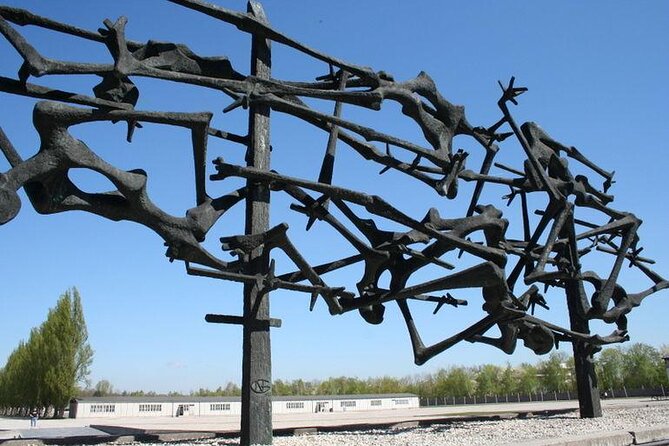
- Dachau takes about three hours: You see the museum, documents, photographs, reconstructed barracks, crematorium, and administration area.
- Munich’s Nazi-era sites are tied together: The walk covers Königsplatz, Marienplatz, the former Gestapo headquarters, Hitler’s early Nazi Party connection, and the 1923 Beer Hall Putsch.
- The day uses public transport: You travel from München Hauptbahnhof by train and bus rather than private coach.
- Two guides may lead the day: The Dachau and Munich sections are separate, so your guide can change after the break.
- It suits visitors aged 13 and older: Proof of age may be required, and children under 13 cannot join.
- Plan for walking and weather: Bring water, food for the break, and clothing suited to a day spent largely outdoors.
Why this Munich and Dachau combination works
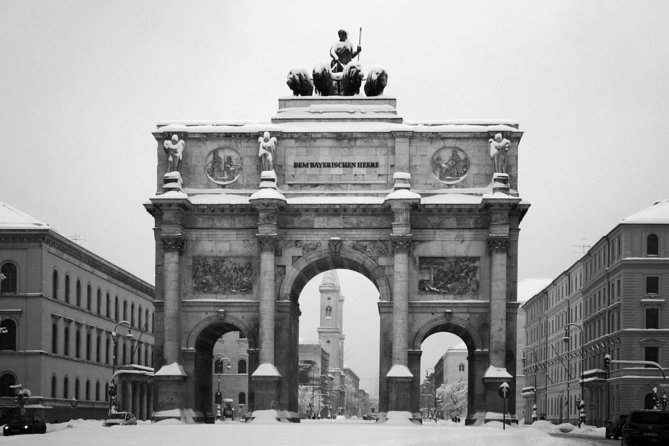
Munich can feel polished and pleasant on a first visit. Its grand squares, churches, and beer halls are easy to enjoy without thinking much about the twentieth century. This tour asks you to look again.
The city was an important center of the Nazi movement. The morning or afternoon walk shows how political power took root here, while Dachau shows the machinery of imprisonment, forced labor, and mass murder that followed. You do not simply visit a memorial in isolation. You connect it to the streets, buildings, and public spaces where the regime built support.
That connection is the main reason I find the combined format useful. A stand-alone Dachau visit can be emotionally powerful, but the Munich portion helps explain the road that led there. A city-only Third Reich walk gives you political context, but Dachau makes the consequences impossible to keep at a distance.
The tour costs about $105.21 per person and lasts roughly eight and a half hours. That is not a small expense, but the price covers two guided experiences, the Dachau visit, local guides, and the train and bus journey arranged for the group. You are paying for structure and explanation, not just admission to a site that is free to enter.
For a short Munich visit, the package can be good value. You cover a major memorial outside the city and several historic locations in one day, without having to work out the route yourself. If you have several days in Munich and prefer to read every panel at your own pace, two separate visits may suit you better.
More Dachau memorial tours from Munich:
- Dachau Concentration Camp Memorial Site Tour from Munich by Train
★ 4.5 · 5,637 reviews - From Munich: Dachau Memorial Site Day Tour
★ 4.8 · 2,723 reviews - From Munich: Dachau Memorial Site Half-Day Trip
★ 4.7 · 2,526 reviews
Starting at Radius Tours near München Hauptbahnhof
The day begins at 9:00 a.m. at the Radius Tours office at Dachauer Str. 4, close to Munich Central Station. This is a practical meeting point, especially if you are staying near the station or using Munich’s rail network.
Arrive ready to leave on time. The first section heads north to Dachau, and the group travels together by public train and bus. The transport is part of the day’s practical arrangement, but it is not a private transfer.
That choice has both good and bad sides. Public transport keeps the price lower and reflects ordinary life in the region. It also avoids adding a private coach to a journey that may not be much faster. On the other hand, the train and bus can be crowded, and one person described the bus as particularly full.
You should also expect some group management. The guide keeps people together through stations, transfers, and the memorial grounds. This removes much of the stress of navigation, but you need to stay alert and follow instructions.
Dachau Memorial Site: three hours at a place of consequence
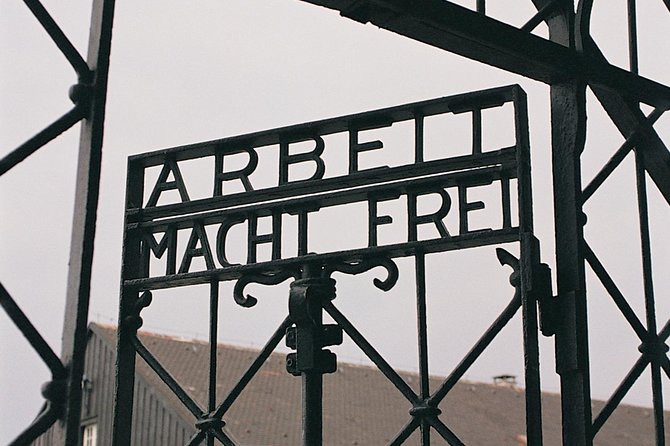
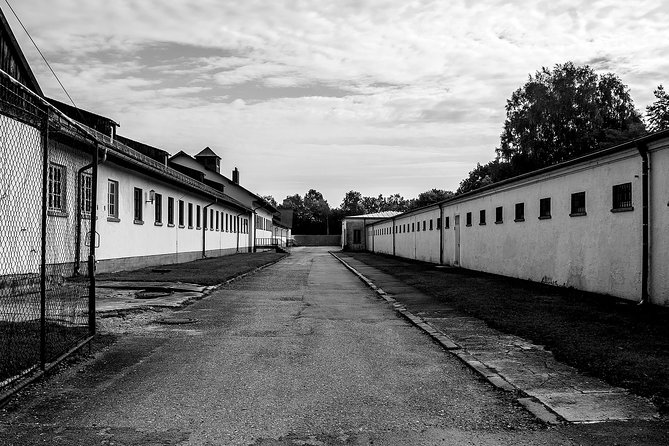
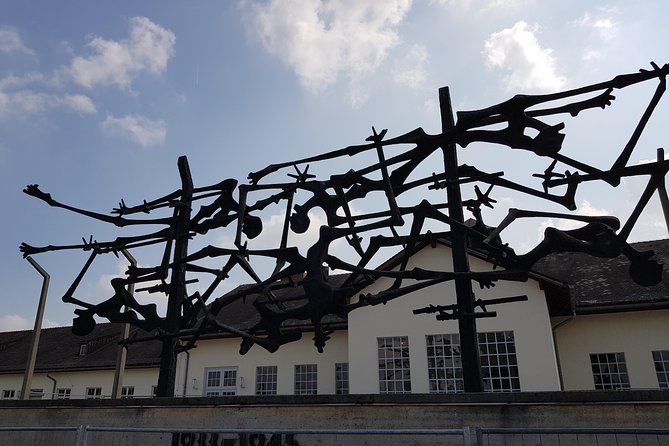
Dachau was the first Nazi concentration camp in Germany and later served as a model for other camps. The memorial site now combines preserved and reconstructed elements with a museum that explains how the camp operated and who was imprisoned there.
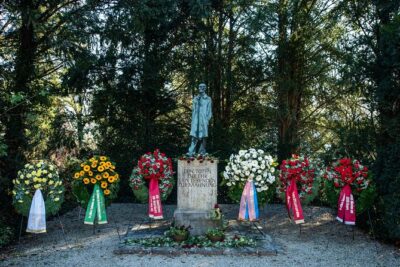
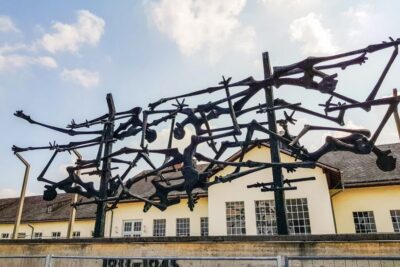
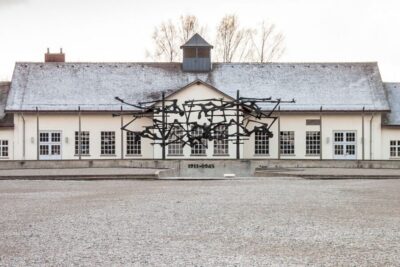
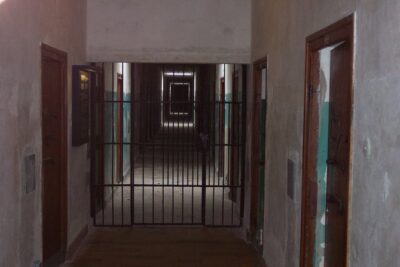
The tour covers the main camp and museum area. You can expect to see photographs, documents, reconstructed cell blocks, the crematorium, and the former administration headquarters. The physical remains are only part of the story. The guide’s job is to explain what happened here, how the system developed, and how individual people were affected.
That guidance matters because Dachau is not an easy place to interpret by simply wandering around. The displays contain a great deal of information, and the meaning of an ordinary-looking building or empty space can be lost without context. Guides such as Ian, Jake, Scott, Emmett, Nick, Achim, and Connie have been praised for combining facts with personal accounts and for keeping a respectful tone.
Connie, for example, has been noted for using quotations from people who were imprisoned there. Other guides have brought photographs and then-and-now comparisons to Munich, helping you see what has disappeared, what was rebuilt, and what remains.
Expect a serious presentation. Some guides use quiet humor or a warm personal manner to keep the group focused, but the subject is never treated casually. The strongest part of this format is the balance between clear explanation and respect for the people who suffered.
You should allow yourself emotional space. Dachau is depressing and sad, and that reaction is entirely normal. The site is intended for education and remembrance, not entertainment.
Three hours gives you a solid introduction, but it is not enough for every museum panel. If you like reading every document and following every personal story, you may feel rushed. One practical advantage of the guided visit is that you receive a clear framework first. You can then return independently if your schedule allows.
There are bathroom breaks during the day, but this remains a long stretch of walking and standing. Wear comfortable shoes and bring water. On a hot day, shade and places to sit become important. On a cold day, you are exposed for much of the visit, so a warm outer layer matters.
Returning to Munich and using the break wisely
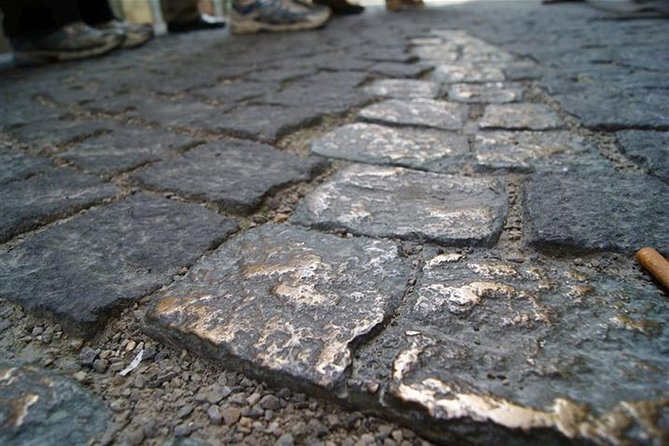
After Dachau, the group returns to Munich by train. The itinerary includes a short break before the city walking tour, giving you time to rest and find lunch.
Food and drinks are not included. Bring a snack or use the break to eat, but do not assume you have time for a long restaurant meal. The day is tightly arranged, and the second section begins at a prearranged meeting point in central Munich.
This pause is useful, but it does not turn the day into a relaxed outing. Think of it as a reset between two history lessons. If you know you tire easily, use the break to sit down, drink water, and avoid carrying a heavy bag.
More Third Reich and wartime history walks in Munich:
- Munich: Third Reich & WWII Walking Tour
★ 4.6 · 6,181 reviews - Third Reich Walking Tour Munich
★ 4.5 · 4,291 reviews - Munich: Birthplace of the Third Reich Guided Walking Tour
★ 4.6 · 771 reviews - Munich City Walking Tour, includes Third Reich & Viktualienmarkt
★ 5.0 · 458 reviews
Munich’s Third Reich walk through Königsplatz and the old town
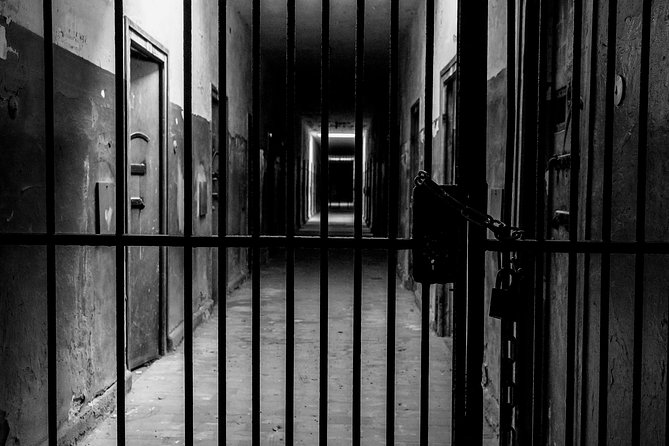
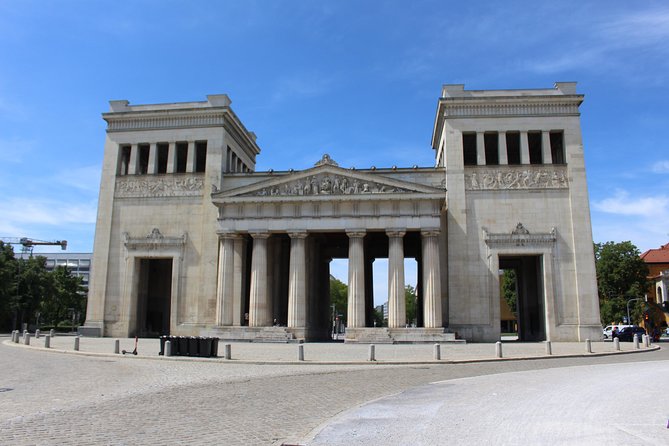
The second part lasts about two and a half hours and explores Munich’s central streets. It begins around the old town, including the Marienplatz area, and finishes at Königsplatz near the central station.
Königsplatz is especially important. The square was used for Nazi Party marches and ceremonies, so its broad open space takes on a different meaning when you learn how the regime used it. The guide helps connect the architecture and public setting to the politics of the time.
The walk also covers the place where Hitler first joined the Nazi Party, the former Gestapo headquarters, and the location of the 1923 Beer Hall Putsch, also called the Munich Putsch. These stops show the movement at different stages: early organization, attempted seizure of power, and the later use of state terror.
Much of the original Nazi-era fabric is gone, rebuilt, or altered. That can disappoint anyone expecting intact wartime buildings. The guide compensates with explanations, photographs, and comparisons between the past and present. You are often learning from what is missing as much as from what remains.
The city section is also physically demanding. You walk through public streets rather than moving from one indoor exhibit to another. City noise, echoes, and traffic can make it difficult to hear, especially if the guide is speaking while facing away from the group. Some people have suggested headsets would help.
Stay near the guide and speak up if you cannot hear. That small effort can make a major difference. Group sizes can reach 25 people, which is manageable but large enough for voices to disappear in a busy square.
The best guides make this section feel like a connected story rather than a string of dates. Jake has been praised for mixing serious material with appropriate humor, while Josh has been described as having strong academic knowledge of the Nazi period and World War II. Other guides, including Steve, Sam, Mark, Richard, Hein, and Franz, have led versions of the city walk.
Guide quality can vary from one departure to another. Most comments about the guides are highly positive, but one person found the second city guide too dry and fact-heavy. That is a fair point: the subject matter is demanding, and an engaging delivery helps you retain it.
The walking, transport, and physical effort
The tour is rated for most people aged 13 and older, but that does not mean it is easy. You take a train and bus to Dachau, walk around the memorial, return to the city, and then spend another two and a half hours on foot.
There are breaks, but few opportunities to sit for long. The day runs from 9:00 a.m. into the late afternoon, and some departures finish around 6:00 p.m. You should be comfortable walking and standing for much of that time.
Pack lightly. A small day bag with water, snacks, weather protection, and perhaps a notebook is more useful than a large backpack. Check the forecast before leaving your hotel. The memorial and city walk can feel very different in cold, rain, or strong sun.
The public transport section is not merely a nuisance. It keeps the outing accessible at this price and lets you see how Dachau connects to Munich as a real place rather than a remote museum. Still, if you want door-to-door comfort, this is not that kind of tour.
Is $105.21 good value?
I think the price makes sense for visitors who want a guided overview in one day. You receive a local guide for Dachau, a separate Munich walking tour, and organized transport between Munich and the memorial. You also save the time and uncertainty of planning the route independently.
The value is strongest if you are in Munich for only a short stay. You can cover the city’s major Nazi-era sites and Dachau without sacrificing several separate days.
The value is weaker if you prefer a slow, self-guided pace. Dachau’s museum has more material than a three-hour visit can cover, and the city walk moves at a group pace. You are buying interpretation and efficiency, not unlimited time at each stop.
The group limit of 25 keeps the experience from becoming enormous, but it is not intimate. Hearing may be difficult in noisy areas, and slower walkers may feel hurried. Keep those limits in mind when comparing this with a private guide or a self-guided visit.
Who should book this experience?
I would choose this for anyone with a serious interest in World War II, the Holocaust, German political history, or the growth of the Nazi movement. It is also a strong choice if you want a guide to explain the link between Munich’s political sites and Dachau.
The minimum age is 13, and children under 13 are not permitted. For older teenagers, the subject should be approached with care. This is an educational memorial visit, not a light sightseeing trip.
You should also book it if you value human stories. The strongest guides bring in accounts from imprisoned people, explain the meaning of the buildings, and answer questions rather than simply reciting dates.
I would think twice if you dislike group tours, need a lot of sitting time, or want to study every exhibit at Dachau without a schedule. You may prefer to visit the memorial separately and spend another day on Munich’s Third Reich sites.
Final verdict: book it for context, not comfort
This is a serious, useful, and demanding way to study Munich’s Nazi past. The combination of Dachau and the city walk is its greatest strength. You see the memorial site, then place it within the political story that began in Munich.
The guides are a major part of the experience, with people such as Jake, Ian, Scott, Connie, and Josh praised for clear explanations and respectful handling of painful material. But the pace, public transport, noise, and sheer volume of information are real considerations.
Book it if you want a structured day and a broad understanding of this period. Skip it, or split the visits, if you need more time for quiet reflection and museum reading. Bring water, wear good shoes, arrive ready for a full day, and treat Dachau with the seriousness it deserves.
FAQ
How long does the Munich and Dachau tour last?
The experience lasts approximately eight hours and 30 minutes. The day begins at 9:00 a.m. and may run into the late afternoon.
Where does the tour start?
It starts at Radius Tours, Dachauer Str. 4, 80335 München, Germany, near München Hauptbahnhof, Munich’s main railway station.
How do you get to Dachau?
The group travels from Munich by public train and bus. The guide accompanies the group during the journey.
How much time is spent at Dachau?
The Dachau portion lasts about three hours. It includes the memorial site, museum, reconstructed cell blocks, crematorium, and administration headquarters.
What Munich sites are included?
The walking tour includes Königsplatz, the Marienplatz and old-town area, the former Gestapo headquarters, the place where Hitler first joined the Nazi Party, and the site of the 1923 Beer Hall Putsch.
Is food included?
No. Food and drinks are not included. There is a short break between the Dachau visit and the Munich walking tour when you can arrange lunch or a snack.
Can children under 13 join?
No. The tour is open to visitors aged 13 and older, and proof of age may be required.
Can I cancel for a refund?
You can cancel at least 24 hours before the local start time for a full refund. Cancellations or changes made less than 24 hours before the start are not accepted for a refund.
Just added around Munich
- Private Transfer from Munich to Salzburg, English-speaking driver★ 3.5 · 3 reviews
- Private tour from Munich to Rothenburg and Harburg★ 5.0 · 3 reviews
- Scenic Adventure Private Day Tour to The Konigssee Salzburg★ 4.5 · 3 reviews
- Munich: Capture the most Photogenic Spots with a Local★ 5.0 · 3 reviews
- Private Beer Tasting Tour in Munich with Oktoberfest Museum★ 4.3 · 3 reviews
- Munich Photoshoot: A Must-Have Holiday Experience!★ 5.0 · 3 reviews
- Paul’s Private Tour in the Alte Pinakothek Munich★ 5.0 · 3 reviews
- Private Tour to Hallstatt Salt Mine and Skywalk with Lunch★ 5.0 · 3 reviews
Dachau Memorial Tours, compared.
Dachau Concentration Camp Memorial Site Tour from Munich by Train
Read our review →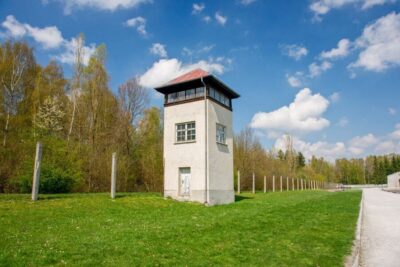
Dachau Concentration Camp Memorial Tour with Train from Munich
Read our review →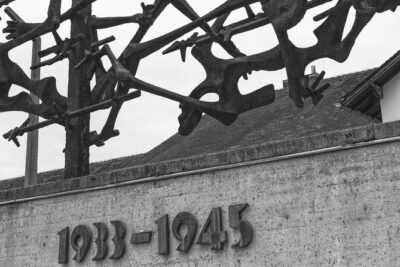
Early-Start Dachau Memorial Half-Day Tour from Munich
Read our review →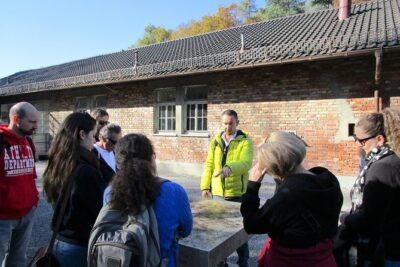
Guided Dachau Concentration Camp Memorial Site Tour with Train from Munich
Read our review →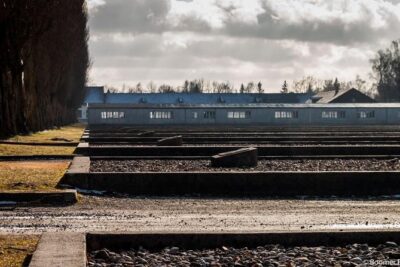
Full-Day Dachau Concentration Camp Memorial Site Tour from Munich
Read our review →Browse the lists this tour appears in