
Reviewed · THIRD REICH & WWII TOURS
Munich: Private or Group Third Reich and WWII Walking Tour
Munich’s prettiest squares conceal the places where the Nazi Party first gathered, Hitler made his name as a beer hall speaker, and the failed Beer Hall Putsch unfolded. This two-hour walking tour links those sites from Marienplatz to Königsplatz, using old photographs and documents to show how familiar streets looked during the Third Reich.
I like the tour’s use of original buildings and locations, not just museum panels, and I like its attention to people who resisted Nazism as well as those who supported it. The main consideration is the subject itself: this is serious history, not a light city stroll, and the pace may feel brisk if you want long visits at each stop.
In This Review
- Key points at a glance
- Why Munich is the right place for this difficult history
- From the Mariensäule into Munich’s political past
- Beer halls, early speeches, and the failed Putsch
- Anti-Semitic violence and the destruction of Jewish life
- Former Nazi headquarters and the architecture of power
- Königsplatz and the public face of the Third Reich
- Resistance stories keep the tour from becoming a Hitler biography
- What the two-hour format does well, and where it is limited
- Who should book this Munich walking tour
- Should you book it?
- FAQ
- Where does the tour meet?
- How long does the tour last?
- Is transportation included?
- What languages are available?
- Is the tour wheelchair accessible?
- Is the tour suitable for children?
- What is included in the price?
Key points at a glance
- Start at the Mariensäule: Meet beneath the golden statue on its tall red marble column in central Marienplatz.
- Follow Munich’s Nazi story on foot: The route connects Marienplatz, Old Town locations, the former Nazi headquarters, and Königsplatz.
- See history beside present-day Munich: Original buildings, war damage, grand Nazi-era construction, and memorials appear along the route.
- Use photographs and documents on site: Your guide places each location in its period setting rather than relying on names and dates alone.
- Choose a private group format: The listed price is $259 for a group of up to 25, with English or German guiding.
- Plan for a serious two hours: Comfortable shoes and a drink are sensible. Children under 10 are not suited to this activity.
Why Munich is the right place for this difficult history
Munich was not merely a city where Nazi leaders later held power. It was the movement’s early home. The Nazi Party was founded here, Adolf Hitler built his first public following here, and the city became the official Hauptstadt der Bewegung, or Capital of the Movement, in 1935.
That label matters because it explains the tour’s focus. You are not being shown a random collection of wartime plaques. You are following the physical setting where a small extremist group grew into a force that destroyed German democracy and helped unleash World War II.
Munich was also Hitler’s adopted home. In the early post-World War I years, he became known in local beer halls as a forceful speaker. His audience was small at first, but his public role grew quickly. The tour helps you connect that rise to real streets, gathering places, and government buildings.
The city’s role earned it an especially grim description from General Eisenhower, who called Munich the cradle of the Nazi beast. The wording is harsh, but the point is clear: Munich was central to the movement’s birth, organization, and public image.
More Third Reich and wartime history walks in Munich:
- Munich: Third Reich & WWII Walking Tour
★ 4.6 · 6,181 reviews - Third Reich Walking Tour Munich
★ 4.5 · 4,291 reviews - Munich: Birthplace of the Third Reich Guided Walking Tour
★ 4.6 · 771 reviews
From the Mariensäule into Munich’s political past
The meeting point is easy to identify if you know what to look for. Go to the Mariensäule in the middle of Marienplatz and find the golden statue on its tall red marble column. Your guide carries a blue bag marked Weis(s)er Stadtvogel.
Marienplatz is now one of Munich’s main public squares, full of daily activity and historic architecture. That modern setting can make the past feel remote. The guide’s job is to close that gap, showing how the square and surrounding Old Town were tied to political demonstrations, Nazi propaganda, anti-Semitic violence, and public displays of power.
This is a useful beginning because you get the city’s broad story before moving into more specific sites. The route runs through streets where much of the architecture looks familiar and attractive, yet many buildings carry memories of persecution and war.
You should expect plenty of standing and walking on paved city streets. The tour does not include transportation, so wear shoes that can handle two hours on foot. A drink is worth bringing, especially on a warm day.
Beer halls, early speeches, and the failed Putsch
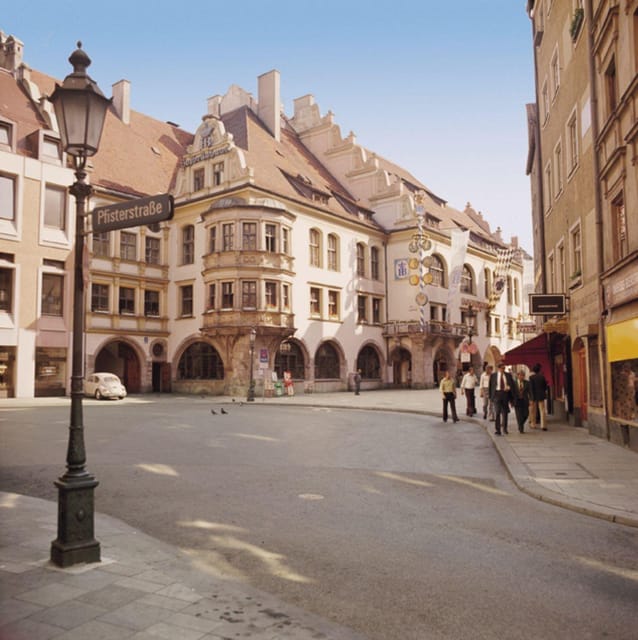
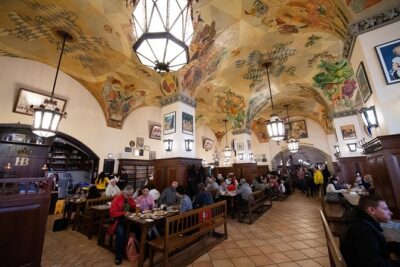
One of the most revealing parts of the tour concerns Munich’s beer halls and backstreets. These were places where Hitler first reached a wider local audience. His early reputation came not from a government office but from speeches to small, committed groups.
The beer hall setting is important. It shows how political movements can grow through familiar social spaces, where angry ideas are repeated, sharpened, and turned into organized action. Your guide explains what took place at the relevant locations and uses historic photographs to help you picture the buildings during the Nazi era.
Munich also witnessed Hitler’s first attempt to seize power, the Beer Hall Putsch. The coup failed, but its importance became much larger in Nazi mythology. The event gave Hitler national attention and helped shape the story he later told about his movement.
At the sites connected with the Putsch, the value of a guide is clear. A bare plaque cannot easily explain the confusion of the event, its failed outcome, or the way Nazi propaganda later transformed defeat into a heroic founding story. A certified guide can separate what happened from how the Nazis wanted it remembered.
You will not get a complete biography of Hitler in two hours, and that is a good thing. The tour keeps the focus on place and context. You see where political theater met real streets, and how local events became part of a national campaign.
Anti-Semitic violence and the destruction of Jewish life
The route also addresses the darker actions that followed the Nazi rise. You learn about anti-Semitic pogroms, the destruction of synagogues, and the public burning of books.
These subjects require more than a list of crimes. The value of the walking format is that the guide can point out how persecution happened in the middle of an ordinary city. The buildings were not isolated from daily life. Violence, intimidation, censorship, and exclusion took place in neighborhoods, squares, and public spaces.
The tour presents these events alongside the rise of the Brownshirts, whose presence helped spread fear. That connection is useful because it shows that Nazi power was not built only through official laws. It also depended on organized street violence and the willingness of institutions and individuals to accept or support it.
The use of documents and period images adds weight here. You can compare the current setting with photographs from the regime, then consider what has disappeared, what survived, and what has been deliberately remembered.
This portion may be upsetting, particularly for younger children. The age guidance says the activity is not suitable for children under 10. Older children and teenagers may follow it well, but parents should decide whether the subject fits their interests and preparation.
More walking tours in Munich:
- Munich: Old Town & Viktualienmarkt City Walk in German
★ 4.7 · 2,304 reviews - Munich: Night Watchman Walking Tour
★ 4.7 · 2,092 reviews - Munich Ghosts and Spirits Evening Walking Tour
★ 5.0 · 1,900 reviews - Munich Old Town Walking Tour
★ 4.5 · 1,287 reviews
Former Nazi headquarters and the architecture of power
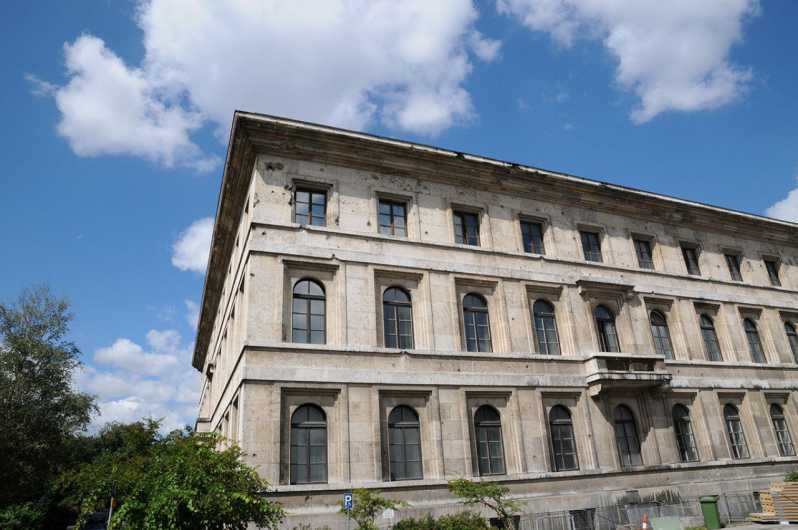
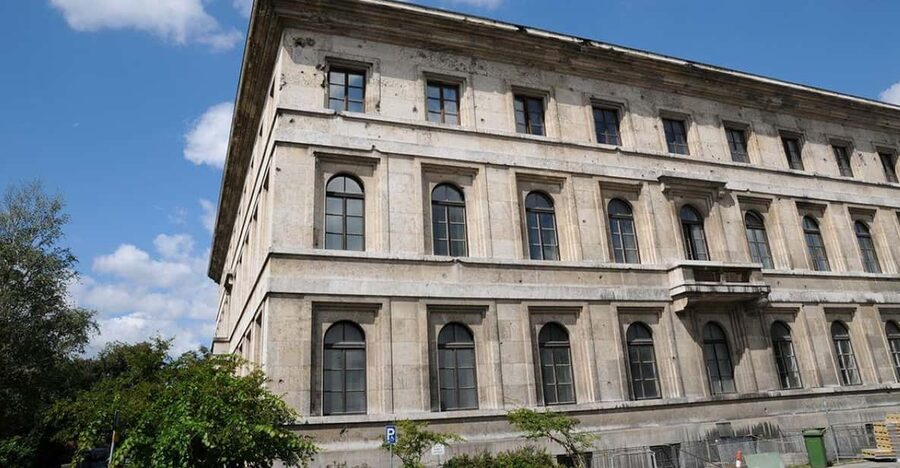
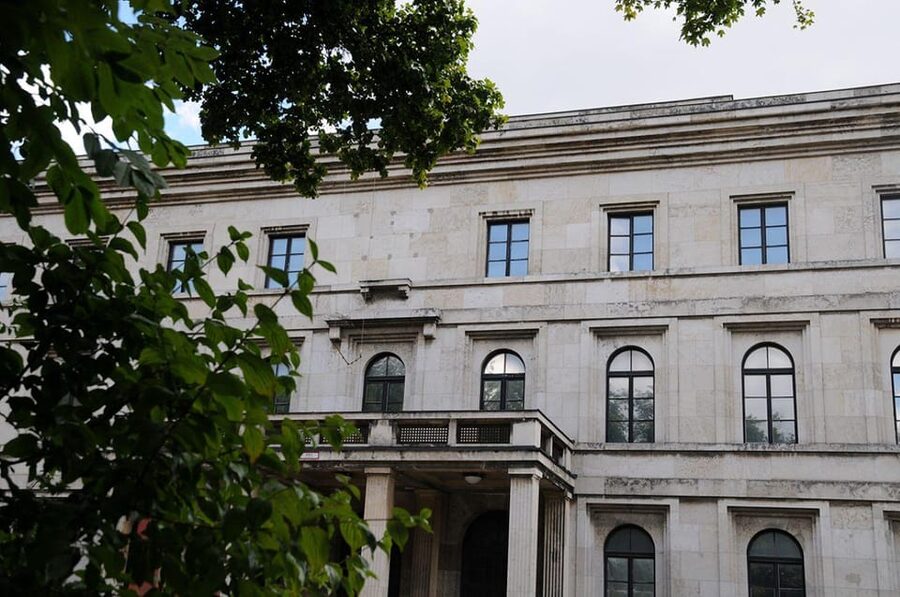
A major stop is the former Nazi headquarters. Seeing this building helps explain the scale of the movement after its early beer hall days. Munich was not only the scene of Nazi beginnings. It became an administrative and symbolic center from which the party projected authority.
The tour also points out grand structures built under Hitler’s orders. An ironic feature of Munich’s wartime story is that Allied bombing destroyed much of the central city, while several monumental buildings created to celebrate the Third Reich survived.
That contrast makes the walk unusually direct. You can look at imposing architecture that was designed to express Nazi power, then hear about the human cost behind the ideology. The buildings are not presented as neutral curiosities. Their purpose, symbolism, and connection to the regime are part of the story.
The guide’s photographs help here because architecture alone can mislead. A large building may look impressive today, stripped of flags, ceremonies, and political theater. Period images restore some of the original setting and show how these places were used.
Expect the guide to present the city’s physical scars as well. Some structures still bear damage from the war Hitler helped unleash. This creates a useful link between political decisions and the streets where their consequences remain visible.
Königsplatz and the public face of the Third Reich
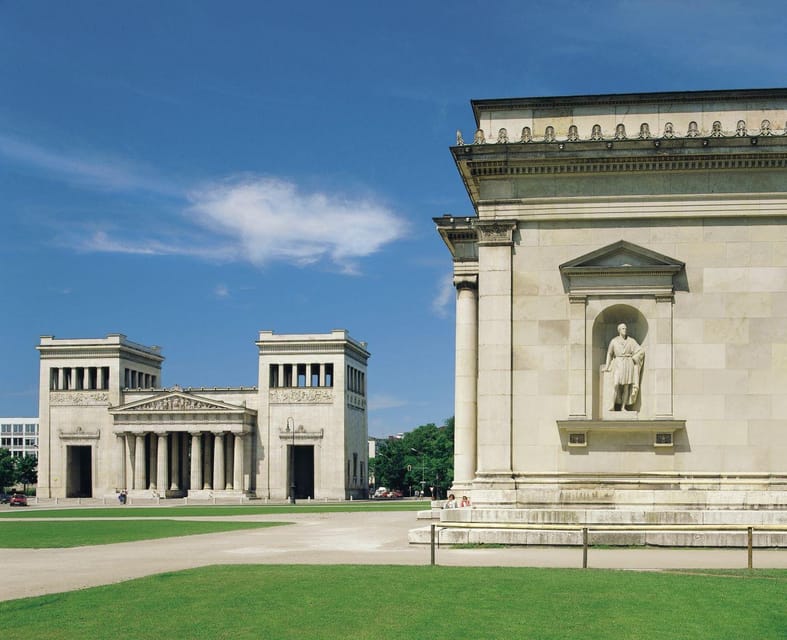
The walk from the Old Town toward Königsplatz takes you from the movement’s early local life to its grand public image. Königsplatz became closely associated with Nazi ceremonies, architecture, and official display.
The square is especially effective for understanding how the regime used space. Monumental settings can make political power look permanent and inevitable. On this tour, you are encouraged to examine that message rather than simply admire the stonework.
Königsplatz also helps complete the movement’s timeline. Earlier stops deal with speeches, organization, and failed rebellion. Here, the story feels more official and imposing. The route shows how a fringe political group became the ruling party and turned Munich into its symbolic headquarters.
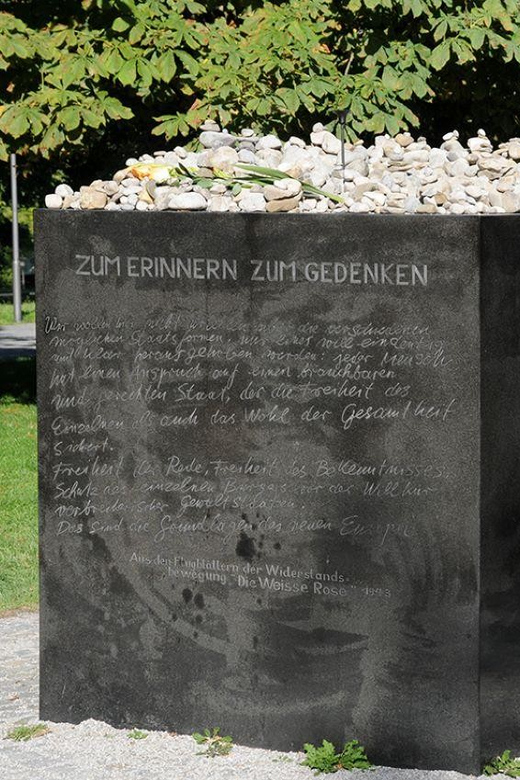
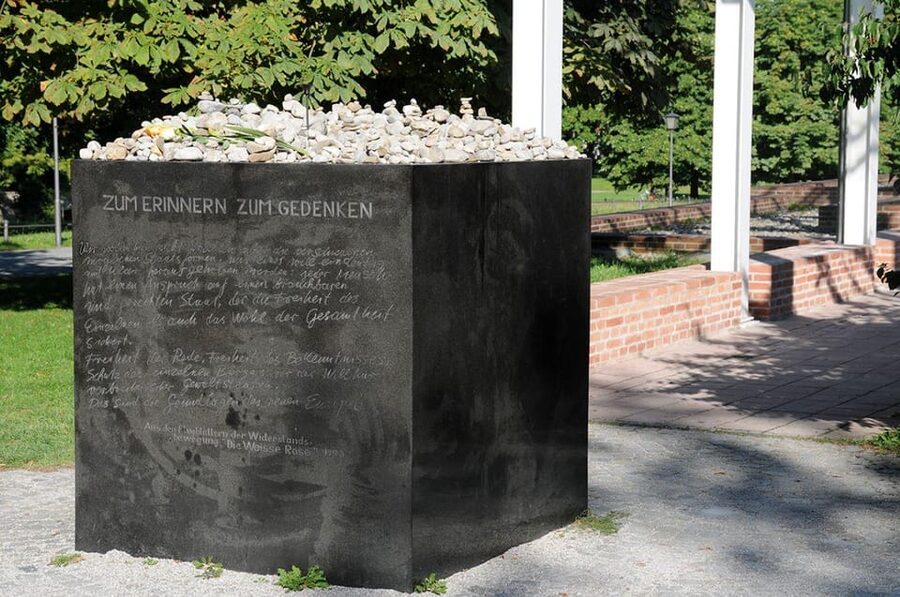
The tour does not treat Nazi architecture as a spectacle. It places these structures beside memorials to victims and people who opposed Hitler’s ideology. That balance is one of the strongest parts of the experience. You learn how the regime wanted to be seen, while also remembering those who suffered and those who resisted.
Resistance stories keep the tour from becoming a Hitler biography
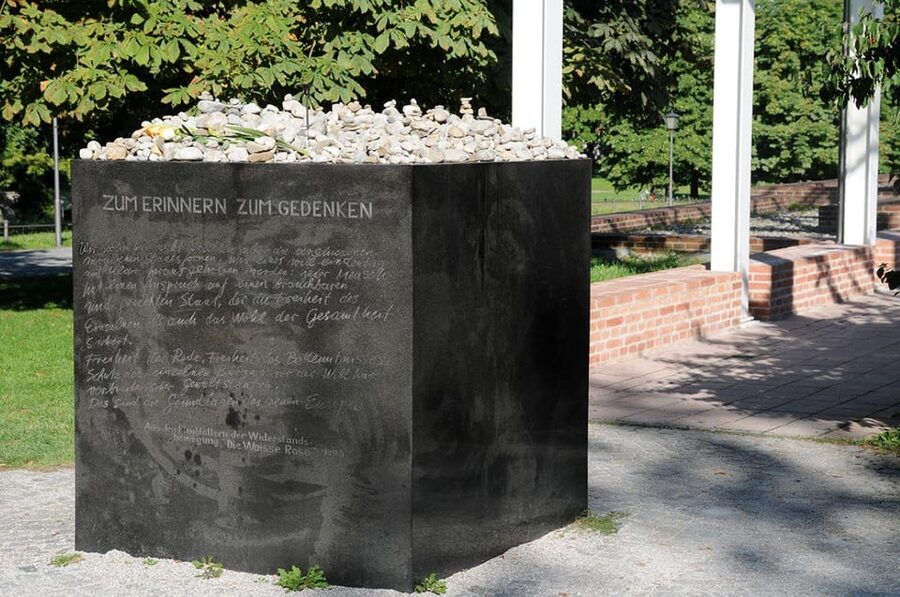
A tour of Nazi Munich can easily become too centered on Hitler. This one also covers people who opposed him in the name of democracy.
That broader view matters. It reminds you that history was not a simple story of one leader and a passive population. There were people who resisted, people who were persecuted, people who supported the regime, and many who failed to act. The tour’s attention to resistance gives you a more responsible way to understand Munich’s past.
The guide’s personal approach can shape this part of the walk. Karl is described as welcoming and engaging, while Ina is noted for bringing personal feeling and responding to questions instead of reciting a fixed script. Those names do not guarantee who will lead your tour, but they give you a sense of the guiding style associated with this experience.
A small group or private format should help if you want to ask questions. The activity is listed at $259 per group of up to 25, so the value depends heavily on your party size. For a full group, the cost works out well per person. For one or two people, it is a substantial price for two hours, though the private attention may justify it if this subject is a main reason for your visit.
What the two-hour format does well, and where it is limited
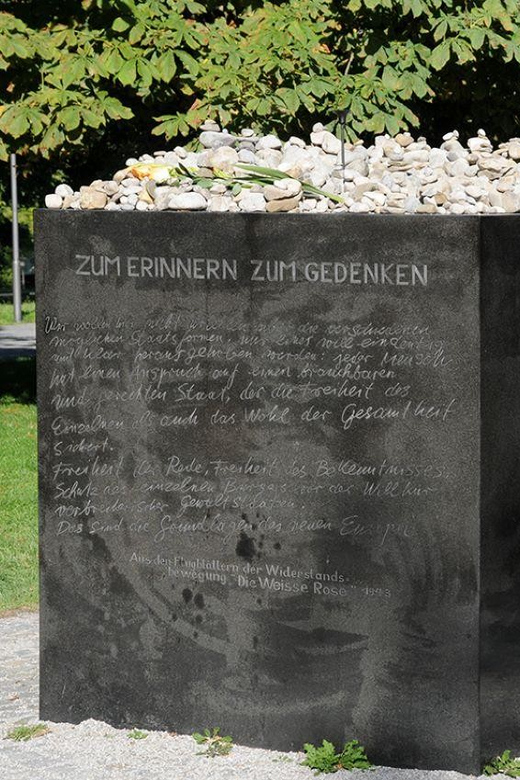
Two hours is enough to connect the main locations and build a clear timeline. You can move from the postwar political crisis to the Nazi Party’s local beginnings, the Beer Hall Putsch, the rise of official power, wartime destruction, and resistance.
The short format also suits a busy Munich schedule. You can place it before or after other Old Town plans without giving up half a day. Because the tour is on foot and stays in central areas, you spend the time looking at real locations rather than riding between them.
There are limits. You should not expect extended entry visits, a museum collection, or a complete account of Nazi Germany. The experience is mainly about Munich’s streets, buildings, squares, and outdoor memorials. Weather can affect comfort, too. One participant specifically enjoyed the tour despite poor weather, but you will still want a coat or rain protection in Munich’s colder months.
The guide’s use of photographs and documents helps make the limited time count. Instead of stopping at every possible site, the walk concentrates on locations that reveal how the movement developed and how the city remembers it.
Who should book this Munich walking tour
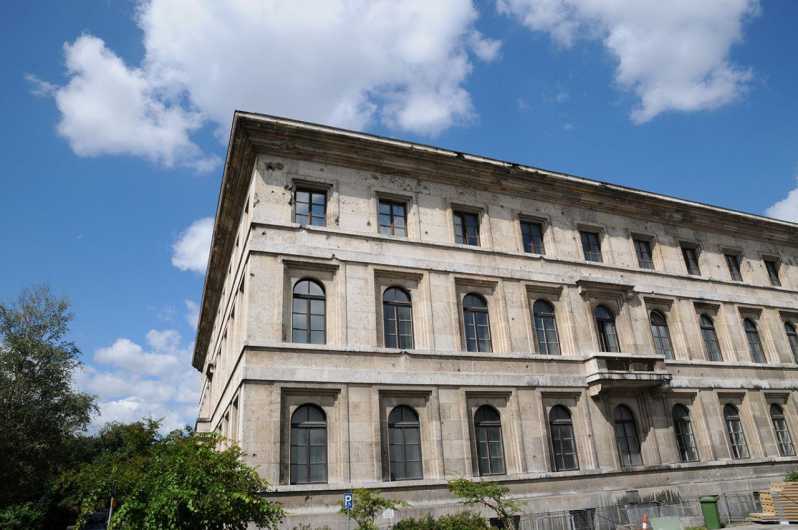
I would choose this tour if you want historical context before visiting other Munich sights, or if you prefer learning through places rather than reading a timeline in a museum. It is particularly useful for first-time visitors who want to understand why Munich appears so often in accounts of the Nazi rise.
It also suits solo participants. The listed price is per group, but the tour can work for one person who wants a focused history lesson with room for questions. A party ranging from young adults to older adults should find the subject and format appropriate, provided everyone is ready for difficult material.
Families need to think carefully. Children under 10 are not considered suitable, and even older children may need a short explanation of the subject before you arrive. This is not a playful sightseeing walk.
The tour is wheelchair accessible, and the language choices are English and German. Confirm your preferred format and language when booking, since the experience information describes both private and group options but also identifies the activity as a private group.
Cancellation is flexible up to 24 hours before departure for a full refund, and you can reserve now and pay later. Those terms are useful if your Munich schedule is still moving around, but they do not change the central question: do you want to spend two hours with this difficult history?
Should you book it?
Book this tour if you want place-based history, a certified guide, and a clear explanation of how Munich helped launch Nazism. The combination of original sites, old photographs, Nazi-era architecture, war damage, victim memorials, and resistance stories gives the walk real substance.
Skip it if you want a relaxed introduction to Munich or if you would rather keep your sightseeing cheerful. At $259 per group, it is best value for a larger party or for visitors who care strongly about the subject. For those who do, this is one of the more direct ways to see Munich beyond its palaces, beer gardens, and postcard views.
FAQ
Where does the tour meet?
Meet at the Mariensäule in the center of Marienplatz. Look for the golden statue on a tall red marble column and a guide carrying a blue bag marked Weis(s)er Stadtvogel.
How long does the tour last?
The walking tour lasts two hours.
Is transportation included?
No. Transportation is not included, so you should arrive at the Marienplatz meeting point independently.
What languages are available?
The tour is offered in English and German.
Is the tour wheelchair accessible?
Yes, the activity is listed as wheelchair accessible.
Is the tour suitable for children?
It is not suitable for children under 10. The subject covers Nazi persecution, violence, war, and resistance, so parents should also consider whether older children are ready for those topics.
What is included in the price?
A certified guide and the walking tour are included. The listed price is $259 per group of up to 25 people.
Just added around Munich
- Scenic Adventure Private Day Tour to The Konigssee Salzburg★ 4.5 · 3 reviews
- Private Transfer from Munich to Salzburg, English-speaking driver★ 3.5 · 3 reviews
- Private tour from Munich to Rothenburg and Harburg★ 5.0 · 3 reviews
- Munich: Capture the most Photogenic Spots with a Local★ 5.0 · 3 reviews
- Private Beer Tasting Tour in Munich with Oktoberfest Museum★ 4.3 · 3 reviews
- Munich Photoshoot: A Must-Have Holiday Experience!★ 5.0 · 3 reviews
- Paul’s Private Tour in the Alte Pinakothek Munich★ 5.0 · 3 reviews
- Private Tour to Hallstatt Salt Mine and Skywalk with Lunch★ 5.0 · 3 reviews
Third Reich & WWII Tours, compared.

Birthplace of the Third Reich Guided Walking Tour
Read our review →
Munich World War II Sites Including Dachau Concentration Camp
Read our review →
Munich City Walking Tour, includes Third Reich & Viktualienmarkt
Read our review →
Munich 3-Hour Segway Tour: Nazi Munich & Royal Architecture
Read our review →
Dachau Concentration Camp Memorial Site And Third Reich Day Tour From Munich
Read our review →Browse the lists this tour appears in