
Reviewed · THIRD REICH & WWII TOURS
Munich: Third Reich Guided City Walking Tour
Munich’s Nazi past comes into sharp focus on this 2.5-hour walk, which links the early Nazi movement, the Beer Hall Putsch, Nazi propaganda, and the German Resistance. You begin at Marienplatz and follow the story toward Odeonsplatz, Haus der Kunst, Führerbau, and Königsplatz.
I like the route’s clear historical thread and its attention to people who opposed the regime, including Georg Elser and the White Rose. I also like that the tour covers both famous sites and the less comfortable political story behind them. The main consideration is that the tour is Spanish only, and it requires at least four participants to operate.
In This Review
- Key points at a glance
- Starting at Marienplatz with Munich’s political past
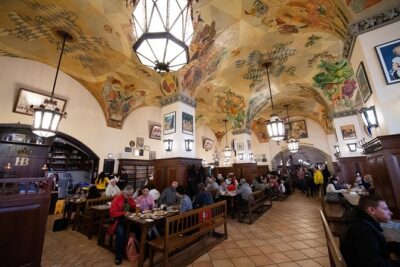
- Hofbräuhaus and the Beer Hall Putsch
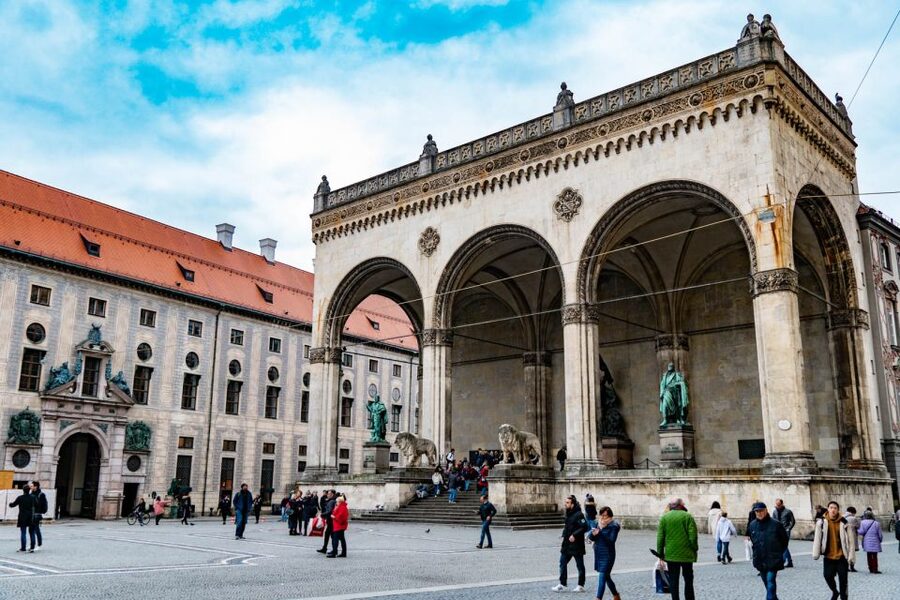
- Odeonsplatz and the cost of political power
- Haus der Kunst and Nazi control of art
- Georg Elser and the White Rose
- Führerbau and the Munich Agreement
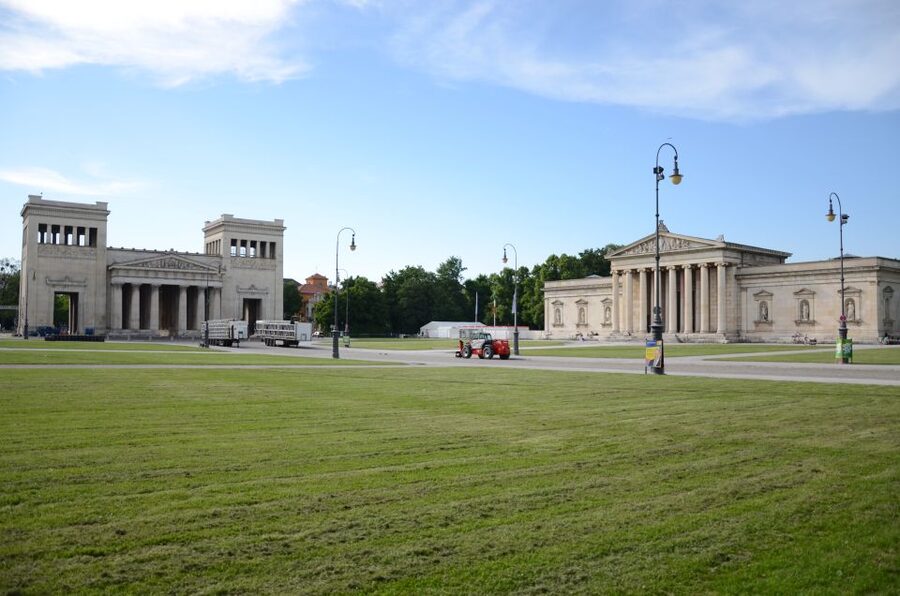
- Finishing at Königsplatz
- How much value do you get for $23?
- Who should book this Spanish walking tour?
- What the strong feedback tells you about the experience
- Should you book the Munich Third Reich tour?
- FAQ
- Where does the tour begin?
- How long does the walking tour last?
- What language is the tour conducted in?
- How much does the tour cost?
- What is included in the price?
- Are food and drinks included?
- Which major sites are covered?
- Can children join the tour?
- What happens if there are fewer than four participants?
- Can I cancel for a refund?
Key points at a glance
- Marienplatz to Königsplatz: Follow Munich’s Nazi-era story through the city center on foot.
- Beer Hall Putsch: Learn how Hitler’s failed 1923 coup shaped the early Nazi movement.
- Haus der Kunst: Hear how Nazi leaders used art and architecture for propaganda.
- German Resistance: Meet the stories of Georg Elser and the White Rose.
- Führerbau: See where the 1938 Munich Agreement was signed.
- Practical fit: The tour costs $23, lasts 2.5 hours, and is for Spanish-speaking participants aged 13 and older.
Starting at Marienplatz with Munich’s political past
Your tour begins in front of the Tourist Information Office at Marienplatz, a useful central meeting point. The square is one of Munich’s main reference points, so it is easy to fit this walk into a day of sightseeing, though you should allow time to locate the guide before the scheduled start.
From here, the guide sets up the political background to Hitler’s rise in Munich. This opening matters because the tour is not simply a parade of buildings. It connects places in the city to the growth of the Nazi Party and the events that helped turn a fringe political movement into a national force.
I appreciate this approach because it gives you a framework before the walk moves into heavier subjects. You are not asked to memorize a string of dates. Instead, you begin to see how Munich functioned as an important setting for the movement’s early development.
The city center also makes the subject feel immediate. The story is not confined to a distant museum display. You are hearing about political meetings, public action, propaganda, and resistance while standing in the same urban setting where those events unfolded.
More Third Reich and wartime history walks in Munich:
- Munich: Third Reich & WWII Walking Tour
★ 4.6 · 6,181 reviews - Third Reich Walking Tour Munich
★ 4.5 · 4,291 reviews - Munich: Birthplace of the Third Reich Guided Walking Tour
★ 4.6 · 771 reviews
Hofbräuhaus and the Beer Hall Putsch
The route continues toward Odeonsplatz and includes Hofbräuhaus, one of Munich’s best-known beer halls. Here, the focus turns to Hitler’s putsch and the early origins of the National Socialist German Workers’ Party.
The Beer Hall Putsch is one of the essential episodes in any account of Hitler’s rise. The attempt itself failed, but its place in the story is important. This part of the walk helps explain how Munich became tied to the early Nazi movement and how political ambition, public speeches, and organized action came together.
A guide is especially useful here because the subject can be reduced to a simple failed coup if you only read a short caption. On foot, you can follow the story in a more connected way, linking the political beginnings of the movement to the physical places where its supporters gathered.
The stop at Hofbräuhaus also gives the tour a distinctly Munich setting. You are not only discussing national politics in an abstract way. You are looking at how the city’s public meeting culture formed part of the background to these events.
Do not expect a beer tasting or a meal as part of the visit. Food and drinks are not included, and the purpose of the stop is historical rather than culinary. If you want to eat or sample a drink, plan that separately before or after the walk.
Odeonsplatz and the cost of political power
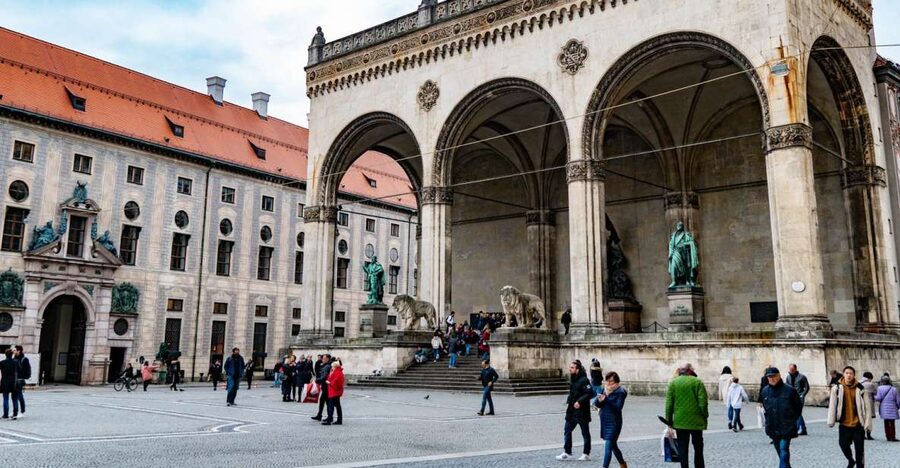
As the tour moves through the city, Odeonsplatz becomes another important point in the story. The supplied route places it alongside the discussion of Hitler’s putsch, so this section helps connect the early movement with the public spaces where political conflict became visible.
This is one reason the walking format works well for the subject. You move from one location to another instead of receiving the whole story in a single room. The changing streets and landmarks give the guide a natural way to explain how the Nazi movement developed, acted, and later reshaped Munich.
The tone is serious, as it should be. This is not a general sightseeing walk with a brief mention of the Third Reich. The route is built around the political origins of Hitler, the rise of the Nazi Party, Nazi rule, and the people who resisted it.
The strongest version of this tour will be the one that keeps those parts in balance. The story of Hitler’s rise is central, but the resistance section prevents the experience from becoming only a tour of Nazi power. That wider view gives you a more useful understanding of Munich during the period.
Haus der Kunst and Nazi control of art
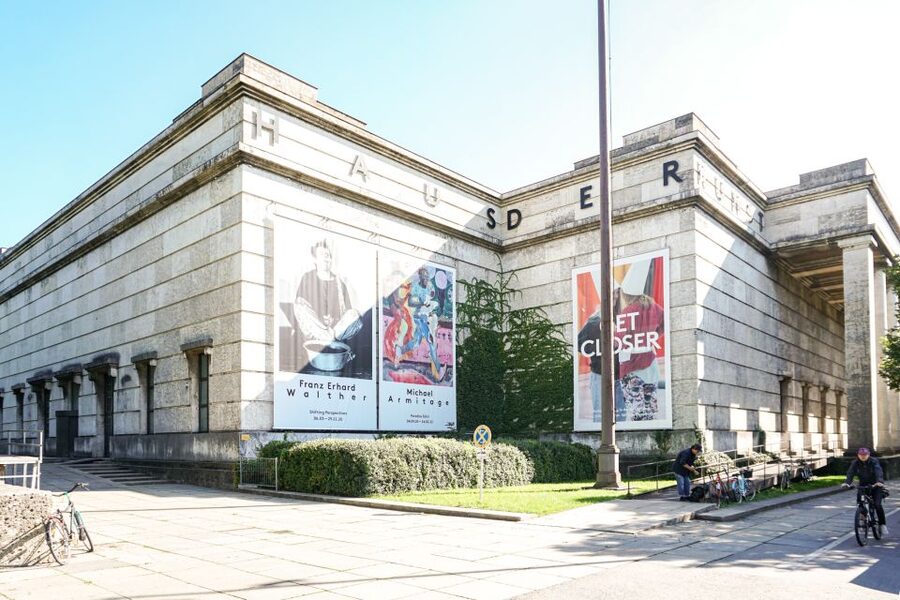
One of the tour’s most distinctive stops is outside Haus der Kunst. The building is presented as the first propaganda building in Nazi Germany, making it a powerful place to discuss how the regime used culture to support its political message.
The guide explains the Nazi influence on art and the banning of what the regime called degenerate art. This part of the tour is valuable because it shows that dictatorship does not rely only on police power or political speeches. It also tries to control what people see, admire, display, and accept as legitimate culture.
You will hear how art became part of the regime’s public program. The subject can sound theoretical in a book, but standing in front of a building designed to promote that program gives the discussion a clear physical focus.
There is a practical limit here: the tour visits the front of Haus der Kunst. The supplied details do not promise interior entry or an art exhibition visit. Think of this stop as an outdoor explanation of the building’s political purpose, not as a museum admission.
That distinction helps you judge the value of the tour. If you want a full museum visit, you will need to arrange that separately. If you want the historical context behind the building and its role in Nazi propaganda, the stop fits the tour’s purpose well.
More walking tours in Munich:
- Munich: Old Town & Viktualienmarkt City Walk in German
★ 4.7 · 2,304 reviews - Munich: Night Watchman Walking Tour
★ 4.7 · 2,092 reviews - Munich Ghosts and Spirits Evening Walking Tour
★ 5.0 · 1,900 reviews - Munich Old Town Walking Tour
★ 4.5 · 1,287 reviews
Georg Elser and the White Rose
The walk also turns toward the German Resistance Movement, with attention to Georg Elser and the White Rose. This is among the most important parts of the route because it shows that opposition to the Nazi regime took different forms and came from different kinds of people.
Georg Elser is included as a key figure in the resistance story, while the White Rose represents another major strand of opposition. The guide’s job here is to place these people within the wider events of the period, rather than treating resistance as a final footnote after the story of Nazi power.
I like that this section is part of the main route rather than an optional add-on. It gives you names and choices to remember, not just buildings and dates. It also helps keep the focus on individuals who acted against the regime, even when doing so carried grave personal risk.
You should expect this section to be emotionally serious. The tour deals with dictatorship, propaganda, political violence, and resistance. It is best suited to adults and older teenagers who can engage with difficult history. Children under 13 are not permitted.
Because the tour is conducted in Spanish, the resistance stories will be most useful to you if you are comfortable following detailed historical explanations in that language. The activity is not open to people who do not speak Spanish.
Führerbau and the Munich Agreement
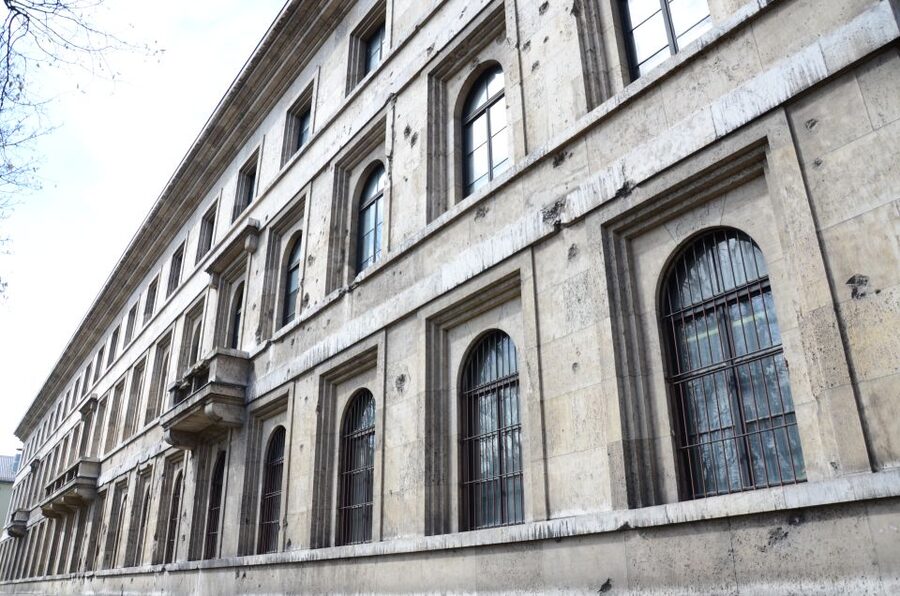
The route continues to Führerbau, the building associated with the signing of the Munich Agreement in 1938. This stop shifts the focus from the Nazi movement’s early Munich years to the regime’s international political power.
The Munich Agreement is one of the tour’s most significant historical reference points. Here, the guide can connect the local story of Hitler’s political beginnings with the larger diplomatic events of the late 1930s.
Führerbau gives the final stages of the tour a different feel from the beer hall and city-center stops. You are no longer looking only at the rise of a movement in Munich. You are considering the point at which Nazi leadership had become part of major European negotiations.
The supplied information identifies Führerbau as the place where the agreement was signed. The value of the stop comes from that direct link between a physical building and a major political event. It is also a useful reminder that the tour is about more than Hitler’s personal story. It traces the movement’s growth from local beginnings to international consequences.
Finishing at Königsplatz
The route concludes at Königsplatz according to the itinerary. This gives the walk a clear endpoint after covering the early Nazi Party, the Beer Hall Putsch, propaganda, resistance, and the Munich Agreement.
The activity details also say the experience ends back at the meeting point, so there is a small inconsistency in the end-point information. If your next plans depend on finishing at a specific location, confirm the final arrangement with the local provider before setting a tight schedule.
Either way, you should plan on a full 2.5-hour activity. The walk is long enough to cover a serious amount of material, but it is not an all-day historical program. The published feedback describes the tour as well paced and full of important information, which is exactly what you want from a route with this many subjects.
Wear comfortable shoes. No special equipment is listed, and food and drinks are not included. You are walking through the city rather than traveling between sites by coach, so your comfort matters more than dressing for a formal museum visit.
How much value do you get for $23?
At $23 per person, this is a reasonable price for a guided 2.5-hour history walk. You are paying for a live guide, a planned route, and the explanation that ties the sites together. The value is strongest if you want the context behind the locations rather than simply seeing them from the outside.
The price does not include food, drinks, museum admission, or other extras. That keeps the basic cost easy to understand, but you should not book it expecting a package of admissions or refreshments.
I would compare this tour with the cost of trying to build the same route yourself. You could walk through Munich independently, but you would need to research the Beer Hall Putsch, Haus der Kunst, banned art, the White Rose, Georg Elser, and Führerbau on your own. For $23, the guide saves you that preparation and gives the stops a connected order.
The strongest value is for visitors with a focused interest in Munich’s Nazi-era history. If you are only looking for a broad introduction to Munich, the subject may feel too narrow and serious. If this period matters to your trip, the route covers a substantial amount in a short time.
The tour offers free cancellation up to 24 hours before the start and lets you reserve now and pay later. It requires at least four participants, so a small booking may not guarantee operation. If the minimum is not reached, the local partner will contact you and offer an alternative.
Who should book this Spanish walking tour?
This experience suits you if you:
- Speak Spanish and want a guided account of Munich’s Nazi past
- Prefer learning through city streets and historic buildings
- Want the Beer Hall Putsch explained in its Munich setting
- Care about both Nazi propaganda and German resistance
- Can manage 2.5 hours of walking in comfortable shoes
- Are at least 13 years old
It is less suitable if you do not speak Spanish, want an English-language tour, or prefer museum interiors over outdoor site visits. It is also not a good choice for a young family because children under 13 cannot take part.
The experience may work particularly well early in your Munich stay. Since it begins in Marienplatz and covers several central locations, it can help you understand parts of the city before you explore them on your own. Still, the subject is demanding, so you may prefer to schedule it when you have enough time afterward to think about what you have heard.
The guide’s language is a key booking detail, not a minor footnote. The experience is specifically for Spanish speakers, and the subject depends on following detailed explanations. Book it only if Spanish is comfortable for you.
What the strong feedback tells you about the experience
The most praised qualities are the amount of important historical information and the steady pace. One assessment describes the guide as friendly and well versed in the subject, while another highlights how much information fits into the route without making it feel rushed.
That combination is important. A history walk can fail in two opposite ways: it can skim over the subject, or it can deliver so many facts that you lose the thread. The comments point to a tour that aims for useful detail while keeping the walk moving.
The guide’s personal approach also matters. A friendly manner can make difficult material easier to follow, especially when the tour covers political extremism, propaganda, resistance, and the consequences of the Third Reich.
There are only 34 ratings in the supplied total, so I would not treat the 4.9 score as a guarantee of a perfect experience for every person. Still, the praise is specific rather than vague: strong historical content, good pacing, and a warm guide. Those are the qualities that matter most for this kind of activity.
Should you book the Munich Third Reich tour?
Book this tour if you want a focused, Spanish-language walk through Munich’s Nazi past and value a guide who can connect places, events, and people. The route covers more than Hitler’s rise. It includes the Beer Hall Putsch, Nazi control of art, the Munich Agreement, Georg Elser, and the White Rose.
At $23, it offers solid value for a two-and-a-half-hour guided walk, especially if you would otherwise need to research the sites yourself. Its limits are clear: no food or drinks, no promised interior museum visits, a minimum of four participants, and Spanish-only commentary.
I would choose it for a history-minded visitor aged 13 or older who wants serious subject matter presented at a steady pace. I would skip it if you need English, want a lighter introduction to Munich, or are looking for a general city tour. Check the meeting and end-point details before you go, wear comfortable shoes, and leave room in your schedule for a thoughtful walk rather than a quick photo stop.
FAQ
Where does the tour begin?
Meet the guide in front of the Tourist Information Office at Marienplatz.
How long does the walking tour last?
The tour lasts 2.5 hours. Starting times depend on availability.
What language is the tour conducted in?
The live guide conducts the tour in Spanish. The activity is not open to people who do not speak Spanish.
How much does the tour cost?
The listed price is $23 per person.
What is included in the price?
The price includes a guide and the walking tour.
Are food and drinks included?
No. Food and drinks are not included.
Which major sites are covered?
The route includes Marienplatz, Odeonsplatz, Hofbräuhaus, the front of Haus der Kunst, Führerbau, and Königsplatz.
Can children join the tour?
Children under 13 are not allowed to participate.
What happens if there are fewer than four participants?
The tour requires a minimum of four participants. If that minimum is not reached, the local partner will contact you and offer an alternative.
Can I cancel for a refund?
Yes. You can cancel up to 24 hours in advance for a full refund.
Just added around Munich
- Scenic Adventure Private Day Tour to The Konigssee Salzburg★ 4.5 · 3 reviews
- Private Transfer from Munich to Salzburg, English-speaking driver★ 3.5 · 3 reviews
- Private tour from Munich to Rothenburg and Harburg★ 5.0 · 3 reviews
- Munich: Capture the most Photogenic Spots with a Local★ 5.0 · 3 reviews
- Private Beer Tasting Tour in Munich with Oktoberfest Museum★ 4.3 · 3 reviews
- Munich Photoshoot: A Must-Have Holiday Experience!★ 5.0 · 3 reviews
- Paul’s Private Tour in the Alte Pinakothek Munich★ 5.0 · 3 reviews
- Private Tour to Hallstatt Salt Mine and Skywalk with Lunch★ 5.0 · 3 reviews
Third Reich & WWII Tours, compared.

Birthplace of the Third Reich Guided Walking Tour
Read our review →
Munich World War II Sites Including Dachau Concentration Camp
Read our review →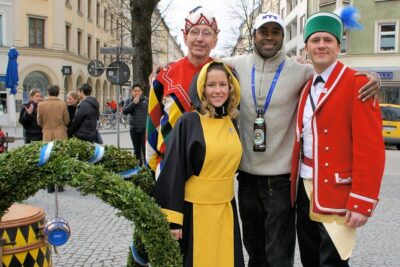
Munich City Walking Tour, includes Third Reich & Viktualienmarkt
Read our review →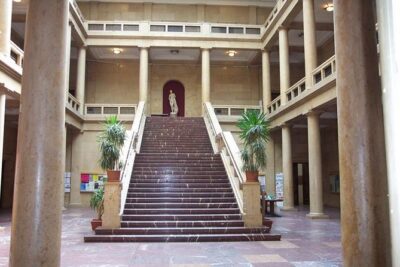
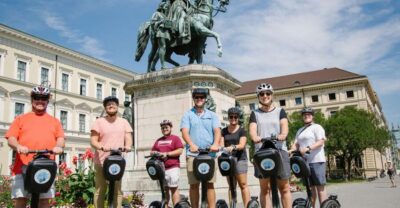
Munich 3-Hour Segway Tour: Nazi Munich & Royal Architecture
Read our review →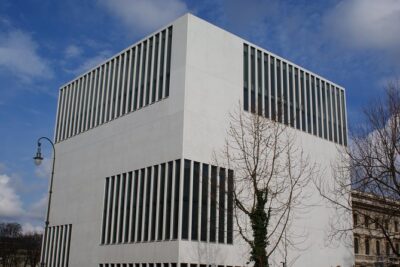
Dachau Concentration Camp Memorial Site And Third Reich Day Tour From Munich
Read our review →Browse the lists this tour appears in