
Reviewed · THIRD REICH & WWII TOURS
Third Reich – Facts about WWII : Small Group Walking tour
Munich’s Nazi past comes into focus one city block at a time on this small-group walking tour. You move from the book-burning site at Königsplatz to the Justice Palace, the former Gestapo center, the White Rose resistance landmarks, and the place where Hitler’s failed putsch unfolded. This is not a sightseeing stroll with a few dark-history facts added on. The entire route deals with how the Nazi movement gained power and how people resisted it.
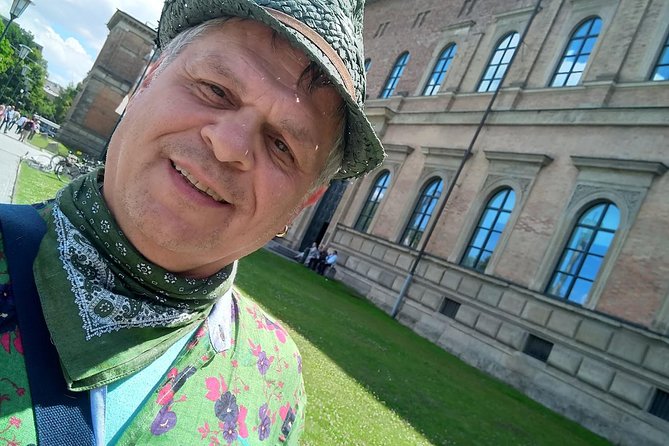
I like the compact route through central Munich, and I like that the tour links political buildings, memorials, art, and individual stories. Guide Paul Riedel is described as energetic and willing to adjust the pace to your interests. The main consideration is that two to three hours is a lot of walking and listening, while most stops are brief and some named museums or buildings are seen from outside rather than visited inside.
In This Review
- Key points to know before you book
- Why this Munich WWII walk has real value
- Königsplatz and the visual language of power
- Karolinenplatz and the people behind Hitler’s rise
- Briennerstrasse and the machinery of Nazi rule
- The Residenz, Hofgarten, and the misuse of art
- Ludwig Maximilian University and the White Rose
- Odeonsplatz and Hitler’s failed putsch
- Haus der Kunst and the route’s final note
- What Paul Riedel adds to the experience
- Timing, cost, and practical tradeoffs
- Who should book this Munich history tour?
- Should you book it?
- FAQ
- Where does the tour start?
- Where does the tour end?
- What time does the tour begin?
- How long does the walking tour last?
- How many people can join the tour?
- Are museum admission fees included?
- Can I cancel for a full refund?
Key points to know before you book
- Königsplatz opens the story: See where books were burned and learn how Nazi architecture and staged images shaped public life.
- The White Rose receives real attention: The Justice Palace and Ludwig Maximilian University connect the route to the Scholl siblings and their resistance.
- Paul Riedel leads the walk: His lively delivery and flexible pacing suit people who want discussion, not just a memorized script.
- You cover 13 stops in 2 to 3 hours: Expect a brisk overview rather than long museum visits.
- The group is limited to 15 people: That gives you a better chance to ask questions than on a large city tour.
- The price is $109.86 per person: The value rests on the guide’s explanations and route design, since gratuities and admissions are extra.
Why this Munich WWII walk has real value
Munich is often presented through palaces, churches, beer halls, and art museums. Those sights matter, but they can leave out the city’s role as an early center of the Nazi movement. This walk puts that story in the streets and squares where it happened.
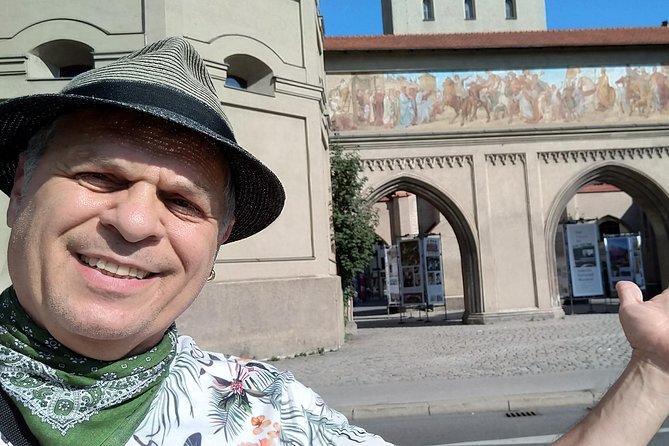
You begin at Karlstor on Neuhauser Strasse at 1 p.m. That central meeting point is useful if you are already exploring the old town or arriving by public transport. From there, the route moves toward Königsplatz and through the area around Briennerstrasse, the Justice Palace, the Residenz, Ludwig Maximilian University, and Odeonsplatz. The final stop is Haus der Kunst on Prinzregentenstrasse.
The group can include up to 15 people. That is small enough for a more direct exchange with the guide, though it is not a private walk. The tour may be led in more than one language, so confirm the language you need when booking.
The price is high for a walking tour, especially because museum entry is not included and tips are separate. Still, the route covers a large amount of ground and brings together places that are easy to pass without understanding their significance. If Paul Riedel gives the tour, his animated approach may be a large part of what you are paying for. If you prefer quiet sightseeing or want time inside museums, the value is less clear.
More Third Reich and wartime history walks in Munich:
- Munich: Third Reich & WWII Walking Tour
★ 4.6 · 6,181 reviews - Third Reich Walking Tour Munich
★ 4.5 · 4,291 reviews - Munich: Birthplace of the Third Reich Guided Walking Tour
★ 4.6 · 771 reviews
Königsplatz and the visual language of power
Königsplatz is the first major stop and one of the most important. The tour covers the book burnings held here, the granite slabs placed over parts of the square, and the camera positions used by Leni Riefenstahl. Those details show how the Nazi movement used public space, ritual, film, and architecture to shape its image.
You get about ten minutes at the square, so expect an explanation rather than a long pause for photographs. The free outdoor setting makes this an efficient opening. You can see the physical space while hearing how propaganda turned a public square into a stage.
Nearby, the Museum für Abgüsse Klassischer Bildwerke is connected with twin buildings designed by Paul Ludwig Troost for the Nazi regime. The stop is only about five minutes, and admission is not included. The value here comes from the guide’s explanation of the buildings and their intended message, not from an extended museum visit.
The NS-Dokumentationszentrum follows. You hear about the Brown House, the Nazi Party’s organization in Munich, and the role of the church during the war. The listed stop lasts about five minutes, with admission not included. If you want to spend serious time in the documentation center, you would need to return separately. On the walking tour, it functions as a doorway into the story rather than a full museum visit.
Karolinenplatz and the people behind Hitler’s rise
At Karolinenplatz, Paul Bruckmann and his wife come into the story. The couple helped introduce Hitler to parts of Munich society and played a role in presenting him as a charismatic public figure.
This is a useful change from focusing only on famous buildings. Political movements do not grow through speeches alone. Social access, introductions, money, and acceptance by influential circles can matter just as much. The stop lasts about five minutes and is free, so the guide’s narrative is the main reason to pay attention.
You then reach the Justice Palace, or Justizpalast. Here the walk connects the building to the trial of Hans and Sophie Scholl and to later Nazi trials. The Scholl siblings were members of the White Rose, a student resistance group that opposed Hitler’s regime.
The Justice Palace stop is brief, about five minutes, and free. That may feel short for such a serious subject, but the route later returns to the White Rose at Ludwig Maximilian University. Taken together, the two stops give the resistance story more weight than either location would alone.
Briennerstrasse and the machinery of Nazi rule
At Briennerstrasse 7, the discussion turns to Haus der Deutschen Ärzte at number 23. The tour addresses the part played by doctors who made decisions about life and death under the Nazi system.
This is one of the darker sections of the walk. It also helps you understand that Nazi crimes were not carried out only by political leaders or uniformed organizations. Professionals and institutions could take part in the system as well. The stop lasts around five minutes and is free.
The route then passes the former Wittelsbacher Palais, identified with the Gestapo’s central operations in Munich. From there, you reach Platz der Opfer des Nationalsozialismus, the Square of the Victims of National Socialism.
The memorial stop lasts about ten minutes. It shifts the focus from the people who built and operated the regime to those who suffered under it. This is a good place to slow down mentally, even if the walking schedule remains fairly brisk.
More walking tours in Munich:
- Munich: Old Town & Viktualienmarkt City Walk in German
★ 4.7 · 2,304 reviews - Munich: Night Watchman Walking Tour
★ 4.7 · 2,092 reviews - Munich Ghosts and Spirits Evening Walking Tour
★ 5.0 · 1,900 reviews - Munich Old Town Walking Tour
★ 4.5 · 1,287 reviews
The Residenz, Hofgarten, and the misuse of art
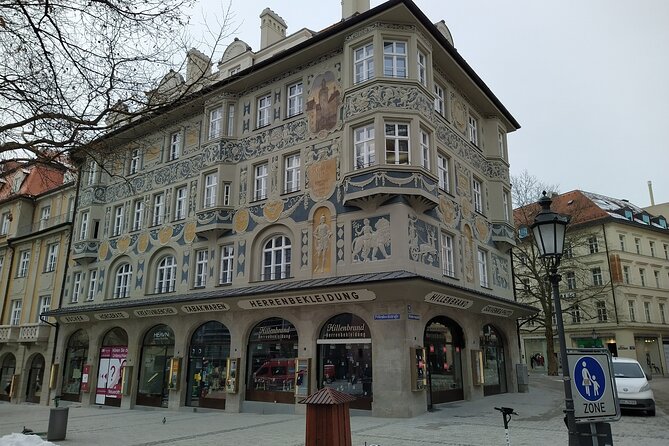
The Residenz München brings the Nazi period into a royal setting. The tour discusses a Nazi figure who lived in the former residence of Bavaria’s kings and dukes, along with the story of the Night of the Amazons.
Admission to the Residenz is not included. The stop lasts about ten minutes, so you should not expect to tour the palace interiors as part of the experience. The point is the contrast between old Bavarian power and the newer political order that occupied and reused important spaces.
In the Hofgarten, the subject changes to Degenerate Art, the Nazi label for works by many expressionist artists. This stop takes about ten minutes and is free.
The art discussion adds an important cultural side to the tour. The regime did not control only elections, police, and public ceremonies. It also tried to decide which art was acceptable and which artists were to be pushed aside. If you care about Munich’s museums, this section gives you useful context for understanding the city’s art collections and Nazi-era cultural policy.
Ludwig Maximilian University and the White Rose
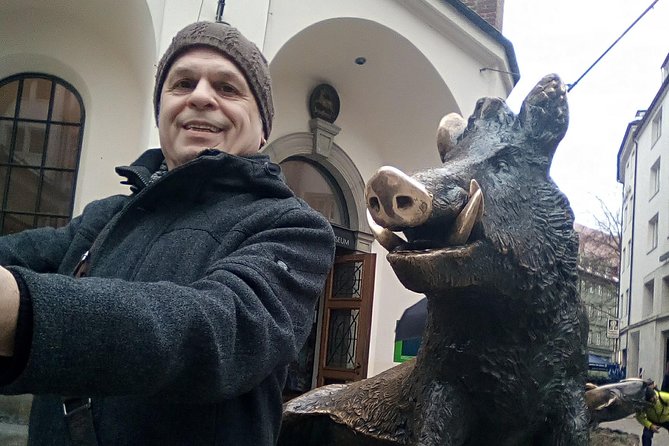
Ludwig Maximilian University is one of the most personal stops. Here you hear more about Hans and Sophie Scholl and the White Rose resistance.
The White Rose story is especially powerful because it centers on students who used leaflets and public dissent against the Nazi regime. The university setting keeps the story connected to ordinary people making difficult choices, rather than leaving it as an abstract chapter in political history.
The stop lasts about ten minutes and is free. I would pay close attention here, even if you have already read about the Scholls. Standing at the university helps connect their actions to a real place in the city.
The route also returns to Odeonsplatz for a longer discussion of the Hitler Putsch and other major events in the Nazi campaign. One listing of the itinerary includes Odeonsplatz earlier and again for about 15 minutes, so the exact order may vary. The practical point is that you should expect substantial attention to this square.
Odeonsplatz and Hitler’s failed putsch
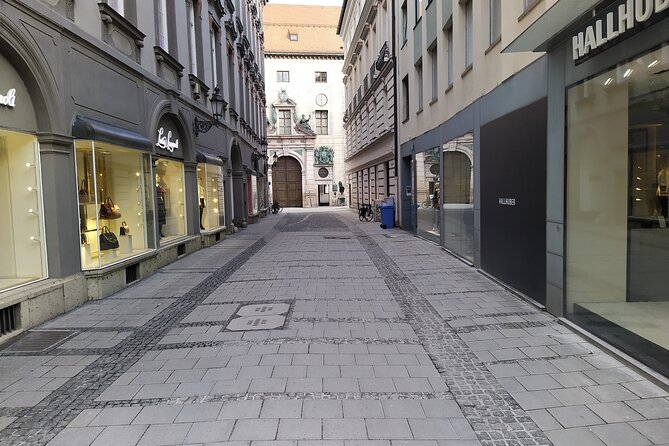
Odeonsplatz is tied to the 1923 Hitler Putsch, the failed attempt to seize power in Bavaria. The tour presents it as an important early chapter in Hitler’s rise, rather than treating the event as an isolated curiosity.
The square is free to visit, and the explanation is the main attraction. You see how a public place can carry several layers of history: royal ceremony, political confrontation, and later Nazi mythmaking.
This is also where a guide can add value that a plaque cannot. The story involves people, plans, miscalculations, and changing political conditions. Paul Riedel’s energetic style should suit this kind of stop, especially if you like asking follow-up questions. The downside is that a lively presentation may feel too animated for visitors who want a solemn, quiet treatment of the subject.
Haus der Kunst and the route’s final note
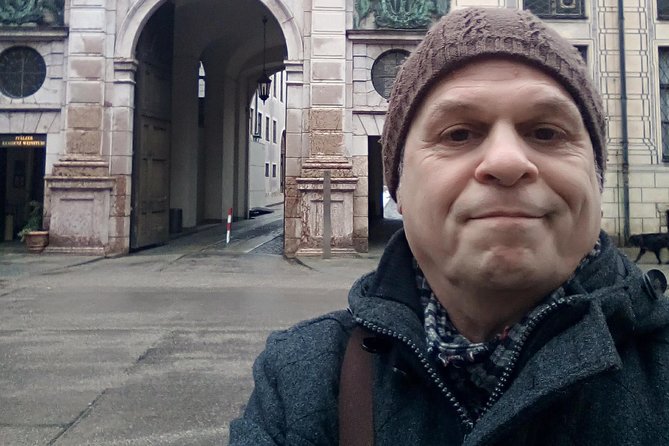
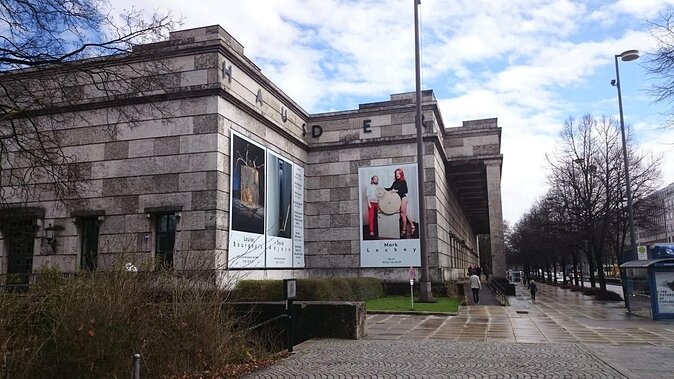
The final destination is Haus der Kunst on Prinzregentenstrasse. The building provides another connection to Paul Ludwig Troost and Nazi-era art policy.
Admission is not included. The scheduled stop lasts about ten minutes, so the tour does not promise an interior art visit. Instead, you finish with the building’s design and its place in the regime’s cultural program.
The end point is different from the start, which is helpful if you plan to continue toward Munich’s museums or eastern central districts. The walk covers a wide central area, so wear comfortable shoes and keep your afternoon flexible. The route is on foot, which avoids traffic and lets you see how close many of these places are to the city’s familiar tourist center.
What Paul Riedel adds to the experience
Paul Riedel is the named provider and guide associated with this experience. His style is described as full of life, with a willingness to adjust the pace to the group’s needs and interests.
That matters on a subject this heavy. A good guide needs to explain difficult material clearly without turning the tour into a dry list of dates. Paul’s approach appears suited to visitors who enjoy conversation and want the guide to connect one stop to the next.
You should still be ready for a talk-heavy walk. The route includes 13 listed stops, but most last only five or ten minutes. You will hear a great deal in a short period, and you may want to take notes or return later to the NS-Dokumentationszentrum, the Residenz, or Haus der Kunst.
The group limit of 15 helps. You are more likely to hear the guide and ask a question than on a large bus or mass walking tour. It does not guarantee a private conversation, but it keeps the experience more personal.
Timing, cost, and practical tradeoffs
The tour lasts about two to three hours and begins at 1 p.m. You should plan for continuous walking through central Munich, with repeated stops outdoors. The route is near public transportation, and service animals are allowed. Most people can participate, though anyone with limited walking ability should consider the length and pace before booking.
The mobile ticket keeps the start simple. Confirmation is provided when you book. Tips are not included, so budget separately if you feel the guide has earned one.
At $109.86 per person, this is not a bargain-priced orientation walk. You are paying for a focused route, a small group, and a professional guide who supplies the context. The cost makes more sense if you have limited time in Munich and want one organized introduction to the city’s Nazi-era sites.
It makes less sense if your main goal is museum access. The tour does not include admission to the Museum für Abgüsse Klassischer Bildwerke, the NS-Dokumentationszentrum, the Residenz, or Haus der Kunst. You can use the walk to decide which places deserve a second visit, but you will need separate tickets and time for those interiors.
Free cancellation is available up to 24 hours before the 1 p.m. start time. Changes or cancellations made later are not refunded, and the experience requires a minimum number of participants. If that minimum is not met, you are offered another date or experience, or a full refund.
Who should book this Munich history tour?
I would choose this walk if you want a serious introduction to Munich’s role in the Third Reich and prefer a guide to connect the sites for you. It is especially useful on a first visit, when you may not yet know which streets and buildings matter.
It also suits anyone interested in the White Rose, Nazi propaganda, political architecture, or the relationship between culture and dictatorship. The stops at the university, Justice Palace, Königsplatz, and Haus der Kunst cover more ground than a tour focused only on Hitler.
I would hesitate if you dislike long explanations, need frequent breaks, or want to spend time inside every museum named along the way. I would also compare the price with a standard city walking tour if your interest in WWII is casual.
Should you book it?
Book this tour if you want a concentrated, guide-led walk through Munich’s Nazi-era story and value the chance to ask questions in a group of no more than 15. Paul Riedel’s lively, flexible manner is a particular reason to consider it.
Skip it if you want a low-cost outdoor stroll or a museum tour with plenty of time indoors. At $109.86, the experience earns its price through the guide’s storytelling and the carefully connected route, not through included admissions. For a focused afternoon of difficult but important history, it offers a useful way to see Munich beyond its postcard image.
FAQ
Where does the tour start?
The tour starts at Karlstor on Neuhauser Strasse, 80331 Munich, Germany.
Where does the tour end?
The tour ends at Haus der Kunst, Prinzregentenstrasse 1, 80538 Munich, Germany.
What time does the tour begin?
The start time is 1 p.m.
How long does the walking tour last?
The tour lasts approximately two to three hours.
How many people can join the tour?
The maximum group size is 15 people.
Are museum admission fees included?
No. Admission is not included for the Museum für Abgüsse Klassischer Bildwerke, the NS-Dokumentationszentrum München, the Residenz München, or Haus der Kunst. The tour price includes a professional guide.
Can I cancel for a full refund?
Yes. You can cancel at least 24 hours before the local start time for a full refund. Cancellations or changes made less than 24 hours before the start time are not refunded.
Just added around Munich
- Private Transfer from Munich to Salzburg, English-speaking driver★ 3.5 · 3 reviews
- Private tour from Munich to Rothenburg and Harburg★ 5.0 · 3 reviews
- Scenic Adventure Private Day Tour to The Konigssee Salzburg★ 4.5 · 3 reviews
- Munich Photoshoot: A Must-Have Holiday Experience!★ 5.0 · 3 reviews
- Munich: Capture the most Photogenic Spots with a Local★ 5.0 · 3 reviews
- Private Beer Tasting Tour in Munich with Oktoberfest Museum★ 4.3 · 3 reviews
- Paul’s Private Tour in the Alte Pinakothek Munich★ 5.0 · 3 reviews
- Private Tour to Hallstatt Salt Mine and Skywalk with Lunch★ 5.0 · 3 reviews
Third Reich & WWII Tours, compared.

Birthplace of the Third Reich Guided Walking Tour
Read our review →
Munich World War II Sites Including Dachau Concentration Camp
Read our review →
Munich City Walking Tour, includes Third Reich & Viktualienmarkt
Read our review →
Munich 3-Hour Segway Tour: Nazi Munich & Royal Architecture
Read our review →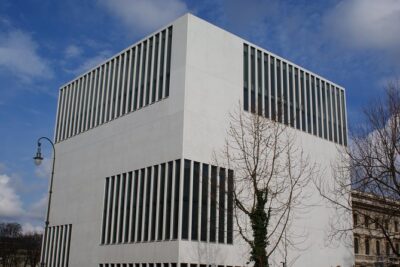
Dachau Concentration Camp Memorial Site And Third Reich Day Tour From Munich
Read our review →Browse the lists this tour appears in