
Reviewed · THIRD REICH & WWII TOURS
Munich: Resistance against Hitler – Historical Walking Tour
Munich was the birthplace of National Socialism, but it was also the scene of brave resistance. This two-hour walk follows people who challenged Hitler from the very streets where his power first took hold, including the White Rose students at LMU and a lone man who built a bomb for an assassination attempt.
I like the focus on original places rather than a general lecture, and I like Alex’s personal approach. He is a Munich local with a strong interest in the subject, and his use of unusual historical images helps connect past events with the buildings in front of you. The main consideration is that the tour is conducted in German, so you need a good command of the language to get its full value.
In This Review
- Key points
- Why Munich is the right place for this difficult story
- Meeting at LMU and following the White Rose
- From university corridors to the former Central Ministry
- The lone man who planned to kill Hitler
- The secret military plot and the failed coup
- Munich’s younger generation steps forward
- Alex’s guiding style and the German-language format
- What the $28 price means in practice
- Who should book this Munich history walk
- Should you book Munich: Resistance against Hitler?
- FAQ
- Where does the tour begin?
- Where does the tour end?
- How long does the tour last?
- What language is the tour conducted in?
- Who leads the tour?
- Does the tour include hotel pickup?
- Is the tour wheelchair accessible?
- What should I bring?
- Can I cancel for a refund?
- Do I have to pay when I book?
Key points
- Starts at LMU’s main entrance: Meet at the large fountain on Geschwister-Scholl-Platz, a site closely linked with the White Rose.
- Covers more than the White Rose: Learn about lesser-known resistance efforts, including a lone assassination plot and a military coup.
- Uses original locations: The route includes the university’s main building, the former Central Ministry, and Odeonsplatz.
- Led by Alex: Expect a local guide who answers questions and shares personal recommendations for Munich.
- Lasts two hours: The walk ends at beautiful Odeonsplatz, with no hotel pickup included.
- Runs in all weather: Wear comfortable shoes and bring clothing suited to rain or shine.
Why Munich is the right place for this difficult story
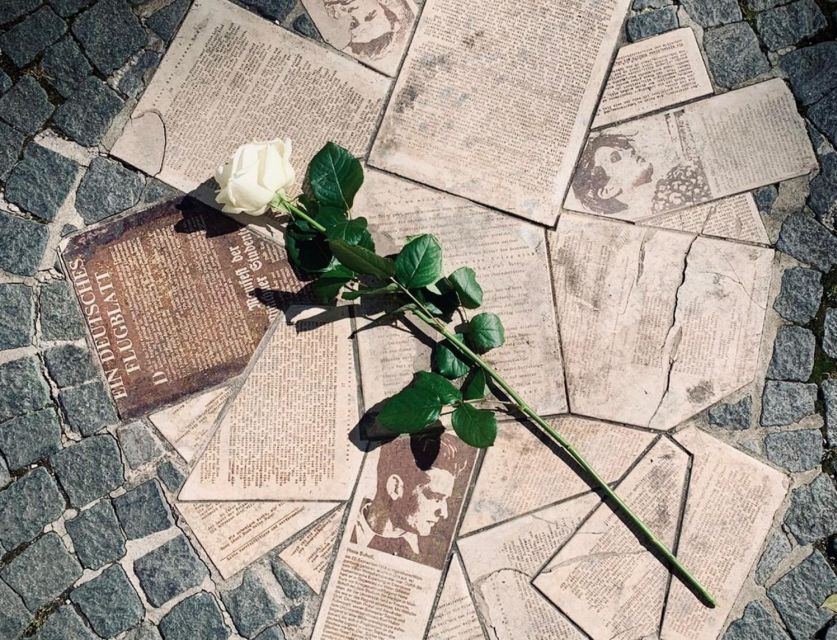
Munich is not simply a backdrop for this tour. It was where Hitler made his first speeches, where the Nazi Party was founded, and where Nazi propaganda remained powerful until the end of the war. That makes the city’s resistance sites especially striking.
You are not hearing a broad account of German history from a distant classroom. You are moving through the city where political power grew, then stopping at places where individuals tried to oppose it. The contrast gives the walk its force.
I appreciate that the tour does not present resistance as one neat, unified movement. It covers several groups and individuals, some famous and some nearly forgotten. Their motives, methods, and chances of success were different, but all faced serious danger.
This is a sober experience. The stories include imprisonment, failed plans, and people who risked or gave their lives for a different Germany. Still, the tour is not designed only to leave you discouraged. It also shows that resistance existed even during years when many people stayed silent or looked away.
More Third Reich and wartime history walks in Munich:
- Munich: Third Reich & WWII Walking Tour
★ 4.6 · 6,181 reviews - Third Reich Walking Tour Munich
★ 4.5 · 4,291 reviews - Munich: Birthplace of the Third Reich Guided Walking Tour
★ 4.6 · 771 reviews
Meeting at LMU and following the White Rose
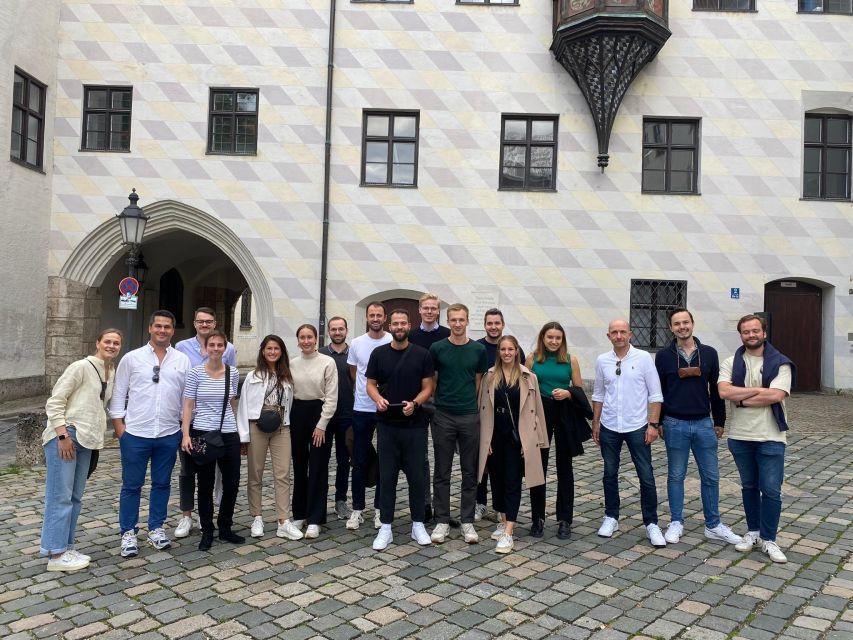
The walk begins at the big fountain in front of the main entrance to Ludwig Maximilian University of Munich, at Geschwister-Scholl-Platz 1. Arrive with comfortable shoes and make sure you are at the main entrance, since the university complex can feel large if you are unfamiliar with it.
This opening location gives the White Rose immediate importance. The group is Germany’s best-known resistance movement, and its connection to the university makes the setting unusually direct. The students did not resist from a remote safe house. Their actions were tied to a place of study, debate, and daily city life.
The tour also visits the university’s main building. That matters because the building is not just a stop for photographs. It lets you consider how ordinary public institutions can become places of courage, fear, and political pressure.
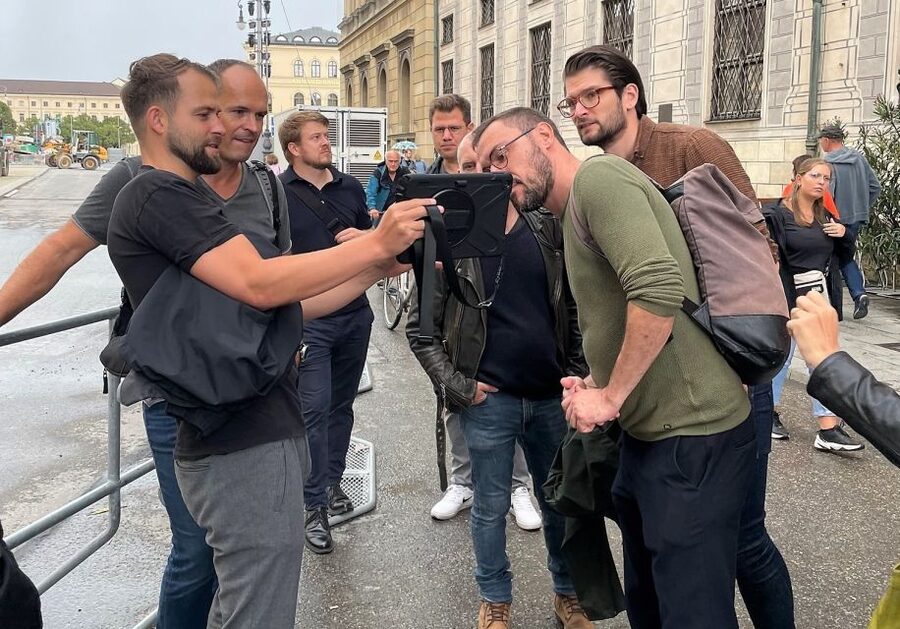
Alex’s approach is particularly useful here. He is said to bring historical images that match the locations you visit, including material that is not always familiar. I like this kind of visual aid because it can show how a place looked during the Nazi period and help you picture events that might otherwise remain abstract.
If the White Rose is the only Munich resistance story you know, this section gives you a solid starting point. If you already know its main figures and events, Alex adds value by placing that familiar story alongside other efforts that received less attention.
From university corridors to the former Central Ministry
The route continues through central Munich toward sites connected with the Nazi state, including the former Central Ministry. The supplied details do not specify every stop or the exact amount of time spent at each place, so you should think of this as a focused walking route rather than a museum-style visit with long indoor stays.
That distinction is important. You are paying for a guided interpretation of places, not entry to a collection of exhibits. Alex’s role is to explain what happened at each site and connect separate resistance stories into one walk.
The former Central Ministry helps show the scale of the system that resistance had to confront. The tour moves between institutions tied to Nazi power and the people who tried to challenge it. That physical movement can make the story easier to follow than a simple list of names and dates.
I also like the way the walk appears to balance famous stories with lesser-known events. One of the strongest points of the experience is its effort to show that opposition did not come from one social group alone. Students, military figures, and individual citizens appear in the wider story.
This part may be less immediately memorable than the White Rose or Odeonsplatz, especially if you prefer dramatic landmarks. Its value is in the connections Alex draws between the locations. Listen for those links, since the meaning of the stop comes more from the explanation than from the building itself.
The lone man who planned to kill Hitler

One of the tour’s most compelling stories concerns a single courageous man who built a bomb in an attempt to kill Hitler. The information provided does not name him, so Alex supplies the historical detail during the tour.
The story adds an important angle. Resistance is often taught through organized groups, but one person could also decide to act alone, plan carefully, and accept enormous personal risk. That makes the episode tense and personal without requiring a large cast of political figures.
I find this kind of stop valuable because it challenges the idea that everyone simply accepted Nazi rule. It also invites a harder question: what does courage look like when success is unlikely and the consequences are severe?
Do not expect a theatrical reenactment. This is a history walk, and the power comes from the real site and Alex’s account. His informal manner can make such a serious subject easier to discuss, while his historical preparation allows him to handle questions in detail.
The story is also a reminder that resistance was not always visible to the wider public. Plans could be secret, isolated, and vulnerable to failure. That hidden quality fits the tour’s wider purpose: to recover acts of opposition that can be missed when history is told only through major political events.
More walking tours in Munich:
- Munich: Old Town & Viktualienmarkt City Walk in German
★ 4.7 · 2,304 reviews - Munich: Night Watchman Walking Tour
★ 4.7 · 2,092 reviews - Munich Ghosts and Spirits Evening Walking Tour
★ 5.0 · 1,900 reviews - Munich Old Town Walking Tour
★ 4.5 · 1,287 reviews
The secret military plot and the failed coup
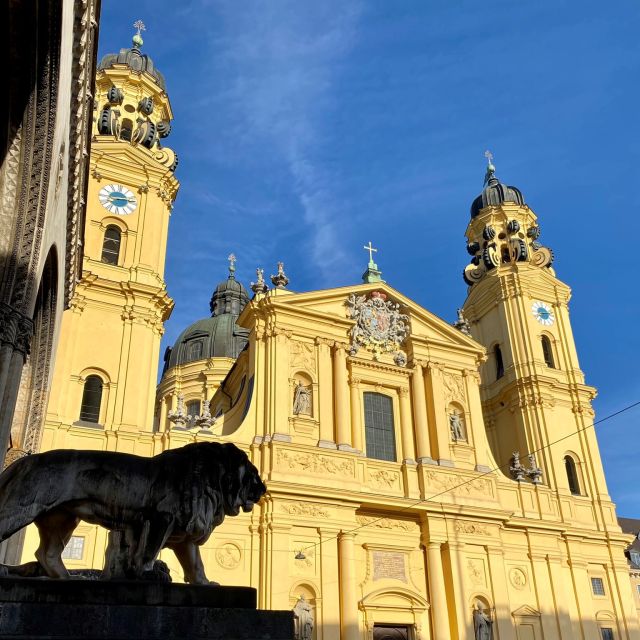
The tour also examines a secret military plot against the Nazis and takes you to the original site of a dramatic attempted coup. The walk ends at Odeonsplatz, which gives this part of the tour a strong physical finish.
Odeonsplatz is one of Munich’s most beautiful public spaces, but its appearance can hide the tension of its past. Ending here creates a sharp contrast between the elegant setting and the dangerous events connected with it. You finish not in an isolated memorial space, but in the middle of the city.
The military plot broadens the discussion beyond student resistance and individual action. It raises uncomfortable questions about timing, motives, and responsibility. People inside the German state did not all respond to Hitler in the same way, and resistance could emerge from places that had earlier supported or served the regime.
This is one reason I would not treat the tour as only a White Rose walk. The White Rose may be the best-known story, but the military plot and attempted coup help you see a wider network of opposition. You gain a less tidy, more honest picture of resistance under dictatorship.
The exact emphasis depends on Alex and the pace of your group. Two hours is enough for a clear introduction, but not enough for every detail of Munich’s Nazi period. If you want an exhaustive study of military resistance, you will need another source as well. For a city walk, though, the selection gives you a useful range.
Munich’s younger generation steps forward
Another important theme is youth resistance. The tour shows that some young people were prepared to act while many older adults deliberately looked away.
That point gives the walk emotional weight without turning it into a simple story of heroic youth versus guilty adults. The wider history was more complicated, but age and social pressure still matter. Young people were not automatically powerless, and they were not all passive.
I value this section because it connects the historical events to places of education and ordinary city life. It makes resistance feel less remote. You can consider how students and other young people might have understood the world around them, what information they had, and what risks they faced.
Alex’s style appears to suit this material. His sympathetic manner keeps the atmosphere open enough for questions, even though the subject is painful. His use of images also gives the stories faces and places, rather than leaving you with only dates.
This is not a light sightseeing stroll. You will spend two hours thinking about political violence, moral choice, and the cost of speaking out. But the route is designed to be engaging, not grim for its own sake. The stories are tragic, yet they also offer examples of people choosing action when silence was safer.
Alex’s guiding style and the German-language format
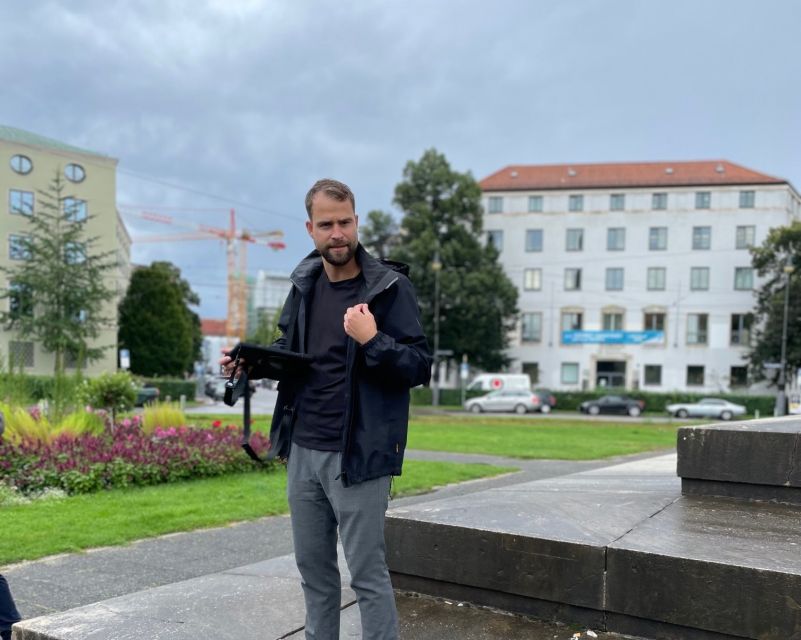
Alex is a real Munich local and leads the walk himself. The most useful part of that arrangement is the combination of local orientation and historical focus. You can ask about the events, the places, and Munich itself, then receive personal recommendations for exploring the city like a local.
His strongest qualities are his enthusiasm for history and his ability to explain less familiar events. The tour is not limited to the most repeated facts about the White Rose. It also includes unusual material and historical pictures that fit the places along the route.
The atmosphere is described as relaxed and friendly despite the serious subject. That balance matters. A guide who treats the topic too casually would be inappropriate, but a guide who makes questions feel unwelcome would limit the experience. Alex’s style aims for a thoughtful middle ground.
The key limitation is language. The live tour guide speaks German, and the activity is listed only in German. If you are not comfortable following a detailed historical explanation in German, the tour may not deliver good value at $28. Check the language carefully before booking.
For German speakers, the price is reasonable for a fully guided two-hour walk led by the person who researched and shaped the route. You are also receiving local suggestions for the rest of your time in Munich. The value is strongest if you want interpretation at the sites, not just directions between them.
What the $28 price means in practice
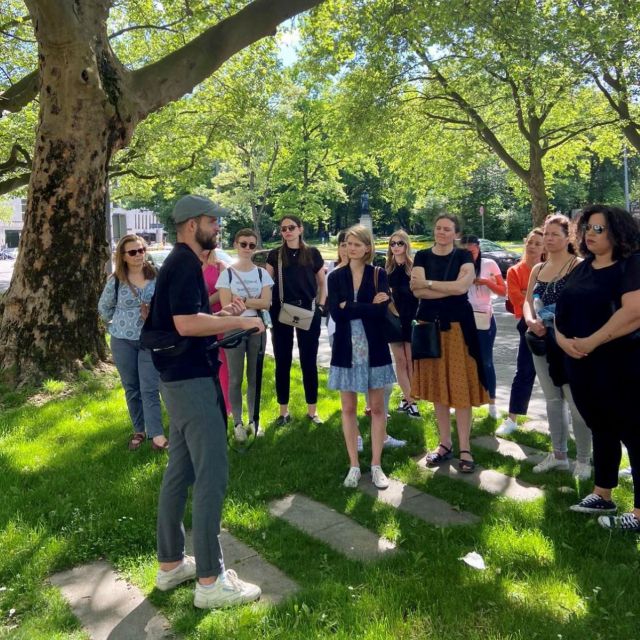
At $28 per person, this is priced as a specialist walking tour rather than a quick orientation stroll. I think the subject justifies the cost because the route depends on context. Without a guide, you could visit LMU and Odeonsplatz, but you would miss the links between the locations and the lesser-known resistance stories.
The tour includes the guide and local recommendations. It does not include hotel pickup, so you need to make your own way to LMU. The meeting point at the fountain in front of the main entrance is central and specific, which makes planning easier than a vague meeting instruction.
You should also budget for the physical conditions of a city walk. The tour lasts about two hours, uses outdoor streets and public spaces, and takes place rain or shine. Comfortable shoes are a must. The activity is listed as wheelchair accessible, but the available information does not describe the exact surfaces or restroom arrangements, so ask ahead if you need detailed access information.
Flexible booking is another practical benefit. You can reserve now and pay later, and cancellation is free up to 24 hours in advance for a full refund. That helps if your Munich schedule may change, though it does not remove the need to arrive at the correct meeting point on time.
Who should book this Munich history walk
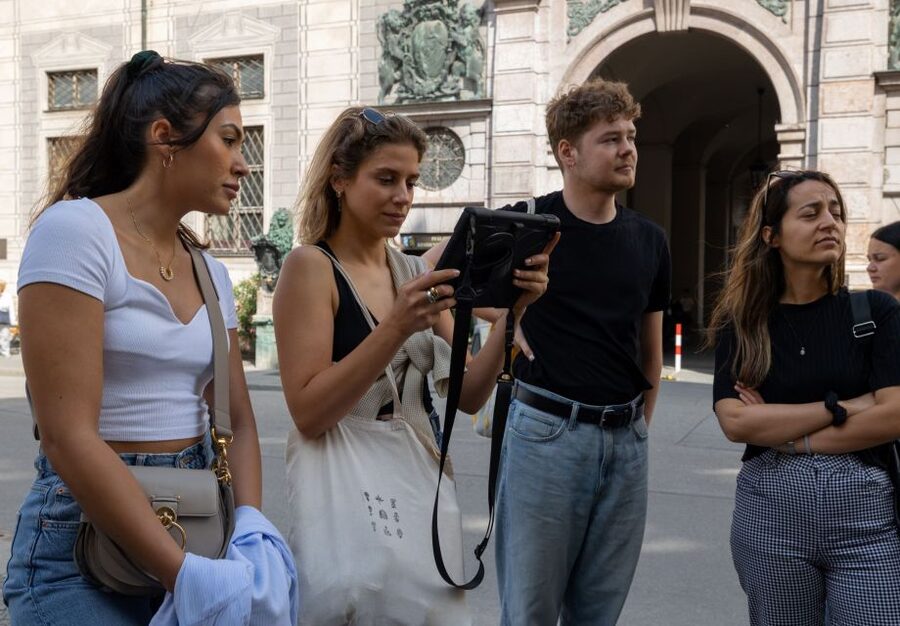
I would choose this tour if you want to understand Munich’s Nazi past through the people who opposed it. It suits visitors who prefer local storytelling, original sites, and a clear two-hour route over a large museum or a long academic lecture.
It is especially useful if you know the White Rose but little about other resistance movements. The tour adds the lone assassination plan, the military plot, the attempted coup, and youth resistance to the better-known student story.
You should also book it if you are interested in how a city remembers difficult history. The route does not separate Munich’s attractive streets from its political past. Instead, it places both in the same view, which can change how you see the city afterward.
I would skip it if you want a cheerful general city tour, a tour in English, or a visit built mostly around interiors and displays. The guide speaks German, the subject is serious, and the experience depends on listening carefully while walking outdoors.
Should you book Munich: Resistance against Hitler?
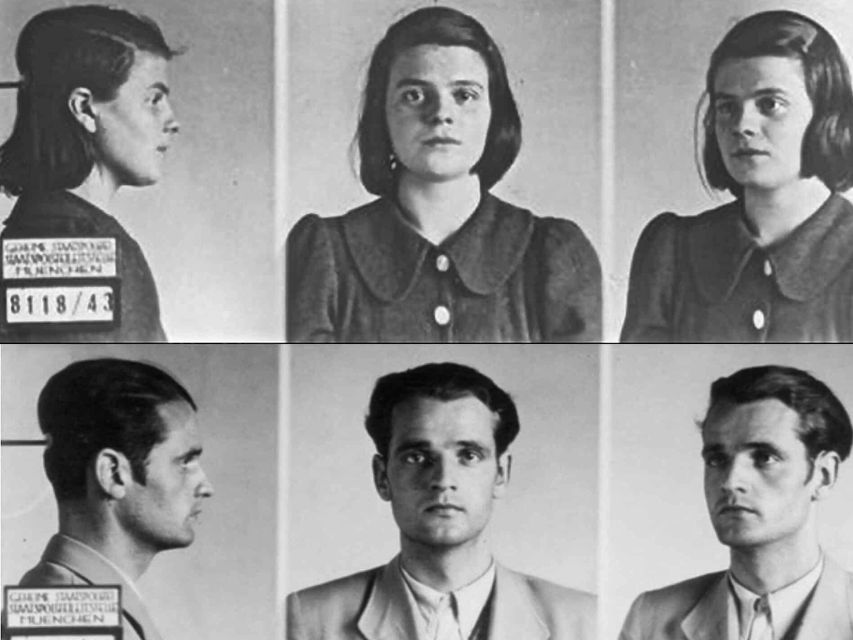
Book this tour if you can follow German well and want a focused, human account of resistance in Munich. Alex’s local connection, use of historical images, and attention to lesser-known events give the walk more substance than a simple White Rose retelling.
The $28 cost is fair for a two-hour specialist tour, especially if you value explanation at the original sites. Go prepared for rain, wear comfortable shoes, and arrive at the LMU fountain. If you want a thoughtful look at courage, compromise, and opposition in Hitler’s Munich, this is a strong choice.
FAQ
Where does the tour begin?
The meeting point is the big fountain in front of the main entrance of the University of Munich, also called LMU. The address is Geschwister-Scholl-Platz 1.
Where does the tour end?
The final stop is Odeonsplatz in central Munich.
How long does the tour last?
The walking tour lasts about two hours.
What language is the tour conducted in?
The live guide conducts the tour in German.
Who leads the tour?
Alex, a Munich local with a strong interest in history, leads the tour.
Does the tour include hotel pickup?
No. Hotel pickup is not included, so you need to reach the LMU meeting point yourself.
Is the tour wheelchair accessible?
Yes, the activity is listed as wheelchair accessible.
What should I bring?
Bring comfortable shoes. The tour takes place outdoors and runs rain or shine, so suitable weather clothing is also sensible.
Can I cancel for a refund?
Yes. You can cancel up to 24 hours in advance for a full refund.
Do I have to pay when I book?
No. The reserve now and pay later option lets you keep your plans flexible and pay nothing at the time of booking.
More Historical Tours in Munich
- Munich: Guided Tour of the historic Town Hall on Marienplatz
★ 4.8 · 63 reviews - Munich Craft Beer & Cultural Tour With Snack
★ 5.0 · 46 reviews - Munich History Tour: Private & Personalized with a Local Guide
★ 4.5 · 33 reviews - Munich and Nazi History Combination Day Tour Small Group
★ 5.0 · 31 reviews
Just added around Munich
- Private Transfer from Munich to Salzburg, English-speaking driver★ 3.5 · 3 reviews
- Private tour from Munich to Rothenburg and Harburg★ 5.0 · 3 reviews
- Scenic Adventure Private Day Tour to The Konigssee Salzburg★ 4.5 · 3 reviews
- Munich: Capture the most Photogenic Spots with a Local★ 5.0 · 3 reviews
- Private Beer Tasting Tour in Munich with Oktoberfest Museum★ 4.3 · 3 reviews
- Munich Photoshoot: A Must-Have Holiday Experience!★ 5.0 · 3 reviews
- Paul’s Private Tour in the Alte Pinakothek Munich★ 5.0 · 3 reviews
- Private Tour to Hallstatt Salt Mine and Skywalk with Lunch★ 5.0 · 3 reviews
Third Reich & WWII Tours, compared.

Birthplace of the Third Reich Guided Walking Tour
Read our review →
Munich World War II Sites Including Dachau Concentration Camp
Read our review →
Munich City Walking Tour, includes Third Reich & Viktualienmarkt
Read our review →
Munich 3-Hour Segway Tour: Nazi Munich & Royal Architecture
Read our review →
Dachau Concentration Camp Memorial Site And Third Reich Day Tour From Munich
Read our review →Browse the lists this tour appears in